

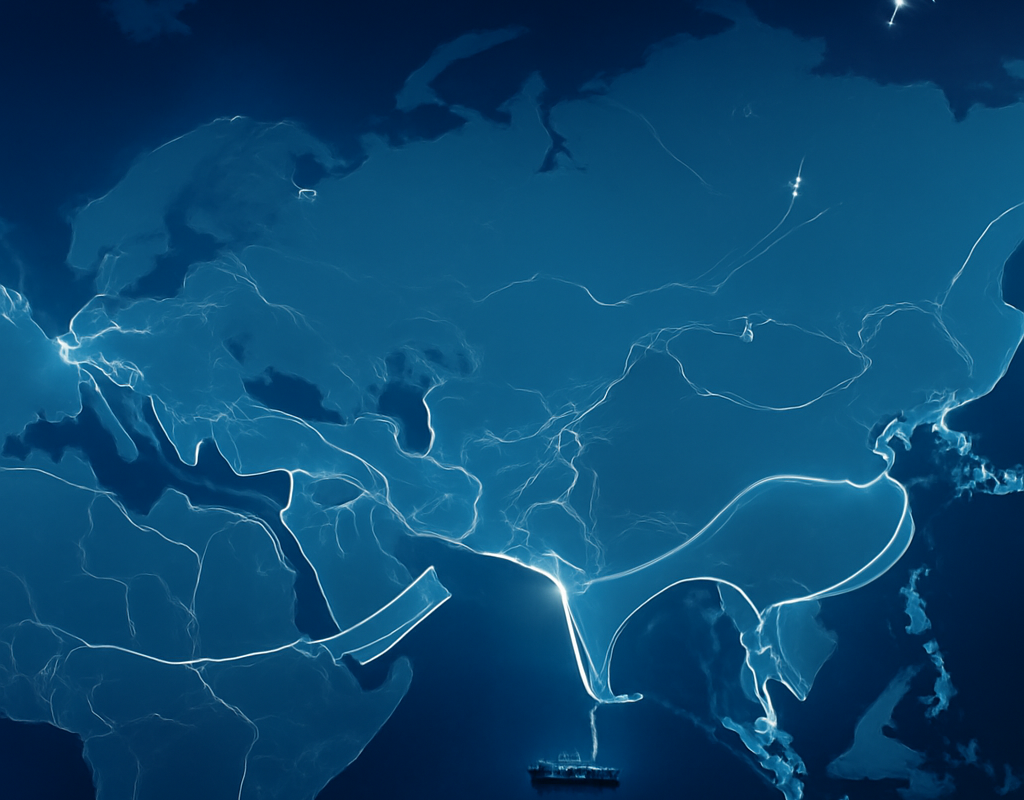
From tensions around the Strait of Hormuz to political uncertainty in the Middle East and changing security priorities, the latest developments beyond Europe could have direct consequences for European governments, consumers and businesses. This overview of EU news places the main international stories in a European context, focusing on energy security, trade, migration, diplomacy and regional stability.
The source material describes a fast-moving international picture rather than a single European Union decision. Several developments could nevertheless affect European foreign policy, shipping routes, fuel prices and the wider security debate. The information below reflects the reported status of events in the supplied material and should not be read as confirmation of an EU-level measure unless one is specifically identified.
Why the Strait of Hormuz is important for Europe
Reports that tankers caught fire in the Strait of Hormuz come amid mediation efforts involving Qatar and talks with Iran. The waterway is a critical route for international energy shipments, so any prolonged disruption could create pressure across global oil markets and raise concerns for countries dependent on imported energy.
For European governments, the issue would be relevant to European foreign policy, maritime security and energy planning. The European Union does not control the strait, and the source does not identify a new EU decision. However, instability in the region can influence diplomatic coordination, naval deployments, insurance costs and the price of energy in the European single market.
Potential implications for European consumers and businesses
- Higher energy prices could increase costs for households and industry.
- Shipping disruption could affect supply chains and transport insurance.
- EU member states may face pressure to coordinate diplomatic or maritime responses.
- Energy security could return to the centre of European policy discussions.
Middle East politics and the European diplomatic response
The source also reports political developments in Israel, including an election result that left the Netanyahu bloc short of a majority and the prospect of difficult coalition negotiations. It separately describes allegations of election interference, which Qatar has denied. These claims remain politically contested and should not be treated as established fact.
Developments in Israel and the wider region matter to European affairs because the EU is a major diplomatic and humanitarian actor in the Middle East. Political uncertainty can affect ceasefire discussions, aid access, regional partnerships and migration pressures. Any formal European response would need to be checked against statements from the European Commission, the European External Action Service or national governments.
Ukraine, Russia and wider European security
The material includes reports concerning Cameroonian nationals allegedly recruited through promises of employment in Russia and later sent to the front lines in Ukraine. It also refers to a ceasefire in Russian-occupied Oleshky and continuing strikes affecting Kyiv. These reports point to the international reach of the war and the risks faced by foreign nationals drawn into the conflict.
The EU’s response to the war in Ukraine includes sanctions, financial support, humanitarian assistance and diplomatic engagement. The supplied content does not announce a new sanctions package or EU funding decision. Readers should therefore distinguish between reported battlefield or diplomatic developments and confirmed EU Ukraine policy.
For European governments, the issues remain connected to:
- support for Ukraine and civilian protection;
- sanctions enforcement and circumvention risks;
- European defence and security cooperation;
- refugee protection and humanitarian assistance; and
- relations with countries whose nationals are involved in the conflict.
Energy, technology and international competition
Other reports in the round-up show how energy and technology are increasingly linked to geopolitical competition. Kazakhstan’s president called for faster construction of nuclear power plants, while Russia was described as developing a satellite internet network intended to compete with Starlink. China rejected a report concerning an alleged plot targeting Nvidia chief executive Jensen Huang.
These developments do not represent new EU legislation, but they touch on priorities already prominent in EU policy news: energy diversification, critical infrastructure, space capabilities, artificial intelligence, data security and strategic economic resilience. European institutions have increasingly treated technology supply chains and energy systems as matters of economic and national security.
Migration and humanitarian concerns
The reports concerning foreign nationals recruited into the war in Ukraine also highlight the importance of accurate migration terminology. Employment promises, recruitment, forced participation and military deployment are distinct issues, and the legal status of individuals must be established before stronger conclusions are drawn.
For the EU, conflicts beyond its borders can affect asylum applications, temporary protection arrangements and border-management planning. No new EU migration rule is identified in the source material. Any claims about changes to asylum procedures or deportation policy would require confirmation from official EU or national authorities.
What happens next?
The immediate focus will be on whether mediation efforts involving Iran reduce the risk to shipping in the Strait of Hormuz, whether political negotiations produce a government in Israel and whether developments in Ukraine lead to a durable ceasefire. European governments will also monitor energy markets, maritime security and humanitarian consequences.
For readers following European news today, the key distinction is between international events that may influence Europe and formal decisions made by EU institutions. A reported crisis does not automatically mean that the European Commission, European Parliament or Council of the European Union has adopted a new policy.
Conclusion
The latest EU news context is shaped by external crises rather than one confirmed EU decision. Tensions around Hormuz, uncertainty in the Middle East, the war in Ukraine and strategic competition in energy and technology could all affect European security and economic policy. The clearest takeaway is that European governments will need to balance diplomacy, energy resilience, humanitarian commitments and security planning as these international developments unfold.