

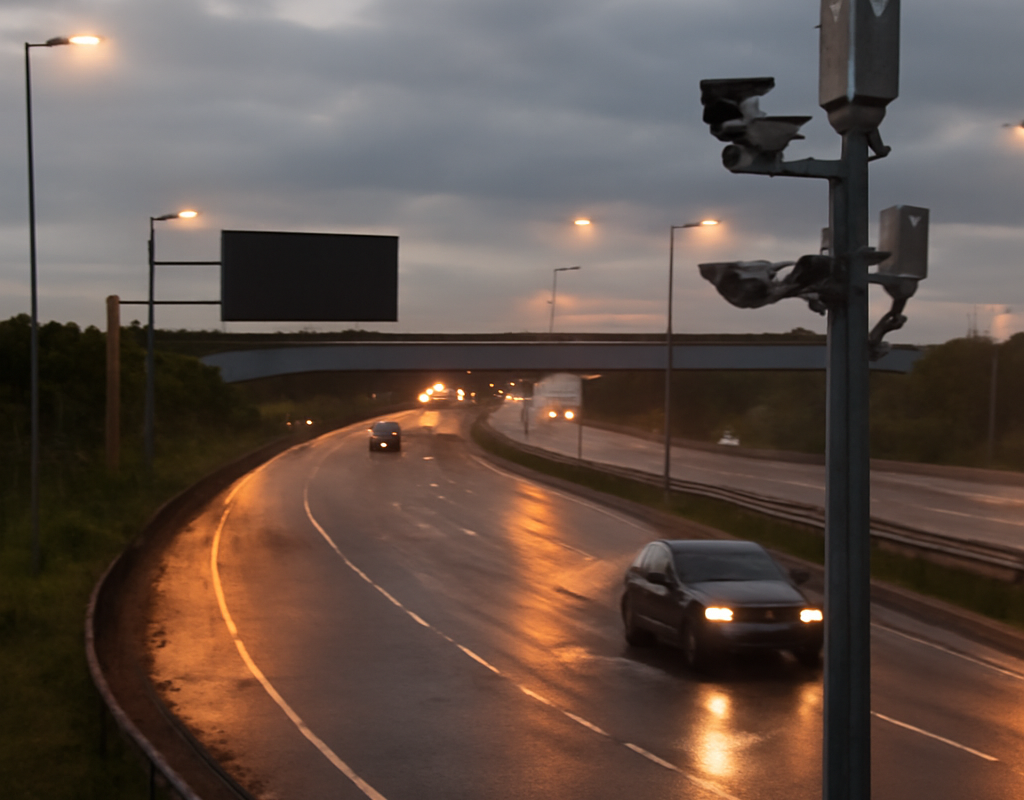
New road-safety technology could help identify vehicles travelling in the wrong direction on Irish roads. The proposed use of wrong-way driving sensors is drawing attention as authorities look for faster ways to detect dangerous incidents and warn other motorists before a collision occurs.
What the wrong-way driving sensors could do
Wrong-way driving sensors are designed to recognise when a vehicle enters a road, motorway ramp or exit in the incorrect direction. Depending on the system, roadside equipment can combine cameras, radar, road markings and other detection technology to identify an unusual movement pattern.
Once a potential incident is detected, the system could alert road-management teams and support warnings for drivers in the affected area. Possible responses may include electronic roadside messages, notifications to traffic-control centres or direct alerts through connected transport systems.
The aim is not to replace Gardaí, emergency services or existing traffic monitoring. Instead, the technology could provide an earlier warning and give authorities more time to intervene.
Why wrong-way driving is a serious road-safety risk
A vehicle travelling against the direction of traffic can create an immediate hazard, particularly on high-speed roads. Other drivers may have only seconds to react, while the driver responsible may be confused, impaired, unfamiliar with the road layout or affected by a medical emergency.
Motorway entries and exits are especially important locations for detection systems because traffic speeds are high and there is limited space to avoid a head-on collision. Junctions, divided roads, one-way streets and ramps can also present risks.
For motorists, the most important response remains simple: reduce speed, keep a safe distance and follow official warnings. Drivers should never attempt to confront, overtake or block a vehicle travelling in the wrong direction.
How the technology may fit into Ireland’s road network
Any rollout would need to work alongside Ireland’s existing road-management and emergency-response arrangements. Detection systems would require careful testing to distinguish a genuine wrong-way incident from legitimate movements by maintenance vehicles, emergency services or road crews.
Accuracy would be central to public confidence. A false warning could cause unnecessary braking or congestion, while a missed detection could delay a response. Authorities would also need to consider camera placement, communications coverage, data protection and how alerts are passed to drivers.
Technology is most effective when combined with clear road design. Signs, lane markings, lighting, barriers and well-maintained junction layouts can all reduce the likelihood of a driver entering a road incorrectly in the first place.
What drivers should do during a wrong-way incident
Drivers who receive an official warning or see a vehicle moving against traffic should prioritise their own safety. Recommended steps include:
- Stay calm and reduce speed gradually.
- Keep to the correct side of the road without making a sudden turn.
- Leave extra space between your vehicle and the traffic ahead.
- Do not use your vehicle to stop or chase the wrong-way driver.
- Follow instructions from Gardaí, road crews and electronic signs.
- Report the incident to emergency services if there is an immediate danger.
Drivers should also avoid using a phone while moving. If a report is necessary, it should be made hands-free or after stopping safely.
What happens next?
The introduction of wrong-way driving sensors would depend on technical assessments, funding, procurement and decisions by the organisations responsible for Ireland’s roads. Testing would be needed before any wider deployment, particularly on busy motorways and complex interchanges.
Further details would also be required about where the systems could operate, how alerts would be issued and what information might be shared with motorists. Until an official implementation plan is confirmed, the proposal should be viewed as a developing road-safety measure rather than a nationwide service already available.
Frequently asked questions
What are wrong-way driving sensors?
They are road-monitoring systems intended to identify vehicles travelling in the incorrect direction and support a rapid warning or response.
Where would the sensors be most useful?
Likely priority locations include motorway ramps, slip roads, divided highways, one-way routes and junctions where an incorrect entry could quickly lead to a serious collision.
Will sensors prevent all wrong-way incidents?
No. They may improve detection and warning times, but they cannot remove every risk. Road design, driver awareness, enforcement and emergency response will remain important.
What should motorists do if they see a wrong-way driver?
Slow down, maintain control, avoid direct confrontation and contact emergency services when it is safe to do so.
The wider road-safety picture
Faster detection of wrong-way driving could become one part of a broader effort to make Irish roads safer. Connected infrastructure, clearer junctions and better communication between traffic operators and emergency services may help reduce the time between an incident and an effective warning.
For now, drivers remain the first line of protection. Paying attention to signs, avoiding impairment, taking care at unfamiliar junctions and responding calmly to official alerts can all make a difference.
The key takeaway is that wrong-way driving sensors could give Irish authorities an important early-warning tool, but technology will work best when supported by careful road design, responsible driving and a clear emergency response.