

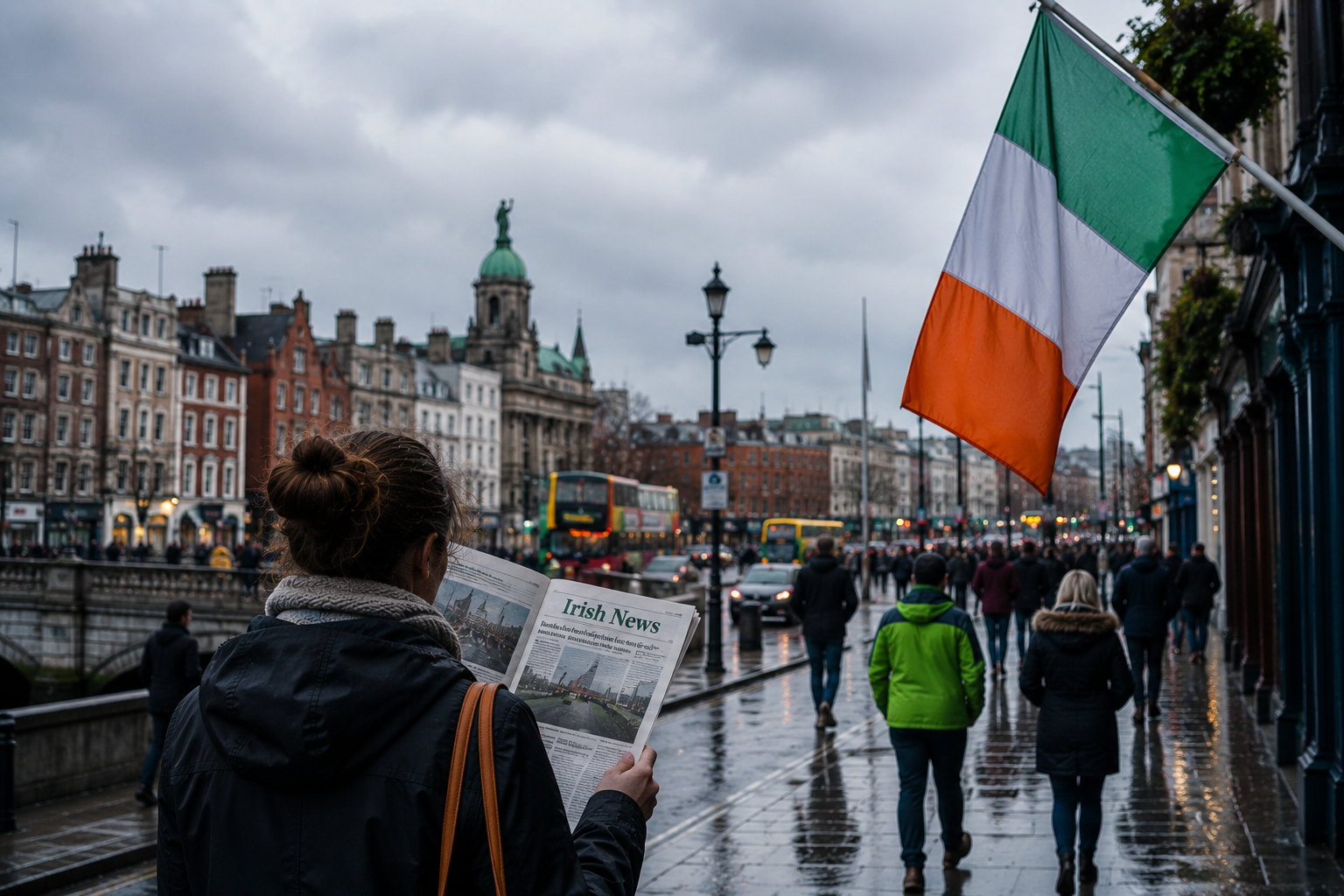
Introduction
Dublin witnessed a significant disruption as protests unfolded during a high-profile visit from a leading political figure. Reports indicate that three individuals were arrested amid escalating tensions, reflecting the complexities of public sentiment towards governmental policies and international relations. This incident not only highlights the challenges faced by law enforcement but also raises broader questions about civic engagement and political dissent.
What Happened?
On a day marked by both political significance and public unrest, three men were taken into custody by Irish police in connection with an unruly protest. The demonstration coincided with the visit of a notable leader, drawing attention from both supporters and detractors. Witnesses described the scene as chaotic, with demonstrators expressing their discontent vocally and visibly. The police response aimed to restore order and prevent further escalation.
luxury lifestyle news and travel ideas
Context of the Protest
Protests have become a common occurrence during visits from political leaders, especially when public opinion is divided. In this case, the unrest reflects ongoing debates surrounding policies and their implications for citizens. The visit, intended to strengthen ties and discuss key issues, was met with resistance from those who feel marginalized by current political climates.
The Arrests
The three arrests made during the protest were part of a broader effort by law enforcement to maintain public safety. Authorities have not disclosed specific charges, but the actions taken suggest a commitment to managing public demonstrations in a way that balances the right to protest with community safety.
latest Ireland breaking news updates
Public Reaction
Public reactions to the protest have been mixed. Some citizens expressed support for the demonstrators, viewing their actions as a necessary form of expression in a democratic society. Others, however, criticized the protest as counterproductive, arguing that it detracts from meaningful dialogue and cooperation during such visits.
Why This Matters
This incident underscores a critical aspect of modern political discourse: the tension between civic engagement and the need for constructive dialogue. As societies grapple with polarized opinions, the challenge of addressing dissenting voices while fostering productive conversations becomes increasingly important. The events in Dublin serve as a reminder of the delicate balance between expressing dissent and maintaining order.
media news and digital publishing insights
Looking Ahead
As the situation develops, it will be essential to monitor the responses from both authorities and the public. Key questions arise: How will law enforcement adapt their strategies for managing protests? What measures will be taken to address the underlying issues that fuel such demonstrations? The answers to these questions will shape the future of public protests and political engagement in Ireland and beyond.
Key Takeaways
- Three individuals were arrested during a protest in Dublin coinciding with a political visit.
- The protest reflects broader public sentiment and dissatisfaction with current policies.
- Public reactions to the protest highlight the complexities of political dissent in a democratic society.
- The incident raises important questions about the future of civic engagement and law enforcement strategies.
Conclusion
The recent unrest in Dublin serves as a significant case study in the dynamics of political protest and public sentiment. As the nation navigates these turbulent waters, the discourse surrounding civic engagement and governmental accountability will be pivotal in influencing future interactions between citizens and political leaders.
Article Tags: protest, Dublin, political visit, civic engagement, public dissent, law enforcement, political discourse, current events, international relations, public safety