

Standfirst: Türkiye will host COP31 in Antalya from 9 to 20 November, presenting renewable energy expansion as evidence of climate action. But its continued reliance on coal and the absence of a clear fossil-fuel phase-out plan are drawing criticism ahead of the summit.
Türkiye’s COP31 presidency will place the country’s energy choices at the centre of international climate discussions. The country is home to one of Europe’s largest solar farms and has expanded wind and solar generation, yet coal remains its biggest source of electricity.
That contrast is likely to shape debate at the United Nations climate summit in Antalya. Delegates will focus on implementing existing climate commitments, while campaigners and climate analysts question whether Türkiye’s domestic policies are consistent with its target of reaching net-zero emissions by 2053.
Türkiye’s renewable energy expansion
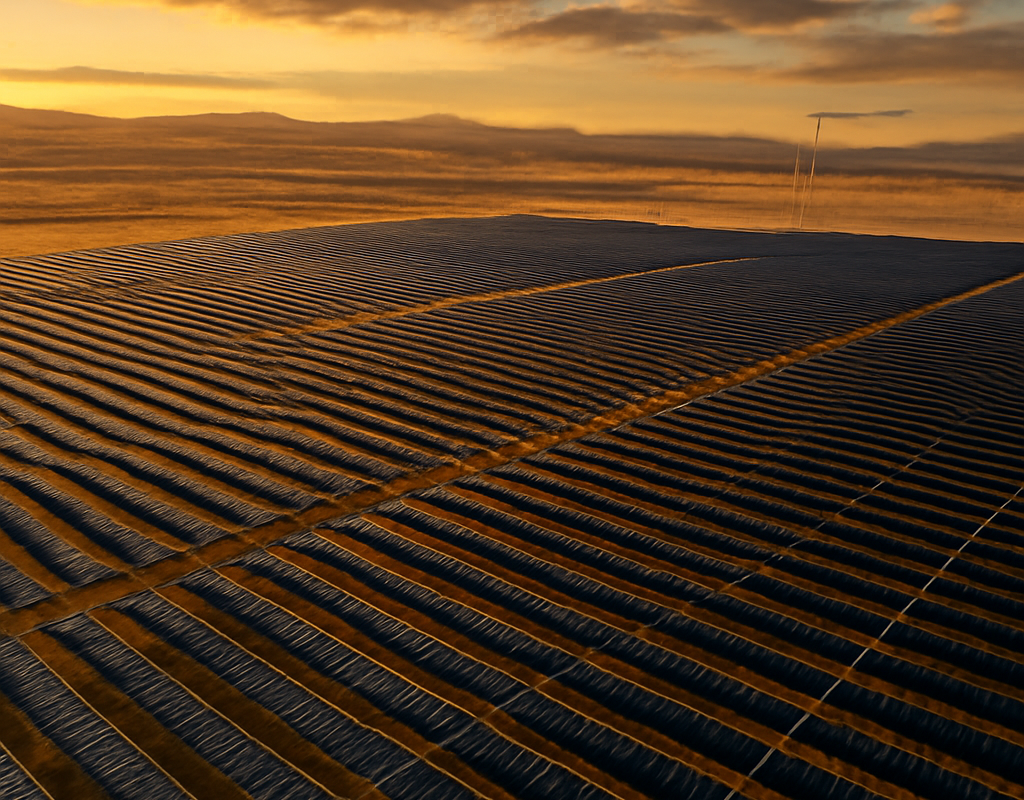
In central Türkiye, the Kalyon Karapınar YEKA-1 Solar Power Plant covers an area comparable to about 2,600 football fields. The facility, located in Konya province, has more than three million solar panels and has been operating since 2023.
According to plant director Burak Dogru, the solar farm produces enough electricity to meet approximately 0.7% of Türkiye’s annual power demand. He also said it prevents roughly 1.75 million metric tonnes of carbon emissions each year.
The facility illustrates Türkiye’s investment in domestic renewable generation. The Energy Ministry said solar and wind together accounted for nearly 23% of electricity generation last year.
However, the same ministry reported that coal remained the country’s largest electricity source, providing 33% of generation. The figures highlight the scale of the transition still required if renewable energy is to displace fossil fuels rather than simply supplement them.
Why coal remains central to the energy system
Türkiye’s energy policy is shaped by concerns about energy security, electricity demand and dependence on imported fuels. Alongside renewable energy, the government is also developing nuclear power, with the country’s first nuclear plant under construction on the Mediterranean coast and further reactors under consideration.
Supporters of this approach argue that a broader energy mix can reduce exposure to international oil and gas markets. Critics counter that continued investment in coal and other fossil fuels risks locking in emissions-intensive infrastructure for decades.
Türkiye’s greenhouse gas emissions reached 584.5 million tonnes of carbon dioxide equivalent in 2024, according to the Turkish Statistical Institute. The country’s renewable expansion therefore represents progress in one part of the energy system, but does not by itself demonstrate a comprehensive fossil-fuel transition.
Criticism of the climate pathway
Duygu Kutluay of the Beyond Fossil Fuels advocacy group said Türkiye’s renewable-energy plans did not include a roadmap for phasing out coal or other fossil fuels, including gas. Campaigners argue that this gap is difficult to reconcile with the 2053 net-zero commitment.
The Climate Action Tracker has rated Türkiye’s climate targets and policies as “critically insufficient”. The assessment reflects concerns about the country’s overall emissions trajectory and the measures supporting its long-term climate pledge.
Environmental disputes also remain active within Türkiye. A court annulled an environmental impact assessment for a proposed expansion of a coal-fired power plant at Afşin-Elbistan in the southeast. Environmental groups welcomed the ruling, while plans later emerged for an expansion of another coal plant in Çanakkale in the northwest.
What COP31 will focus on
COP31 will take place in Antalya from 9 to 20 November. The summit is expected to bring together governments, businesses, civil-society organisations and other participants to discuss how existing climate commitments can be delivered.
Environment and Climate Change Minister Murat Kurum has said the presidency will prioritise implementation rather than simply negotiating additional targets. Türkiye plans to promote a “climate implementation bridge” intended to connect countries with finance, technology and other support needed to carry out their pledges.
Other stated priorities include:
- Electrification of energy use and economic activity
- Reducing methane emissions
- Cutting waste
- Improving access to climate finance and technology
- Turning international commitments into practical projects
The summit will be held amid wider concerns about energy prices and security, including the effects of the Iran war on global oil and gas markets. The United States will again be absent after President Donald Trump withdrew the country from global climate negotiations.
Pressure on the host country
Hosting COP31 gives Türkiye an opportunity to shape discussions on climate implementation, but it also exposes the country to greater scrutiny. Like other Mediterranean countries, Türkiye faces growing risks from heatwaves, drought, water shortages, wildfires and flooding.
Severe rainfall in Istanbul last month was described as the heaviest in more than 80 years and caused deadly flooding. These events underline the domestic consequences of climate-related risks, as well as the international significance of the policies debated at COP31.
Türkiye was selected to host the summit after competing with Australia. Under the compromise arrangement, Australia has been leading consultations on the agenda and will oversee summit discussions, while Türkiye hosts the event.
Critics have questioned whether a coal-reliant country is an appropriate venue for a climate summit. The UN Climate Change Executive Secretary Simon Stiell has defended the arrangement, arguing that a host country’s fossil-fuel profile does not determine whether a COP can succeed.
What the summit could mean for climate policy
The central test for COP31 will be whether governments can move beyond broad pledges and demonstrate measurable progress on emissions reduction, finance, technology and resilience.
For Türkiye, that means showing how its solar and wind investments will interact with coal, gas and nuclear power. A credible long-term pathway would require clearer information about the future role of coal and the policies intended to support a shift towards lower-emission energy.
The outcome will also matter beyond Türkiye. Countries across the Mediterranean face similar pressures from rising temperatures, water stress and extreme weather, while many are balancing decarbonisation with energy affordability and security.
Conclusion
Türkiye’s COP31 presidency arrives with a mixed record: major renewable-energy projects sit alongside continued coal dependence and no clearly defined fossil-fuel phase-out roadmap. The summit’s credibility will depend not only on the commitments announced in Antalya, but on whether countries—including the host—can show how those commitments will be implemented in practice.