

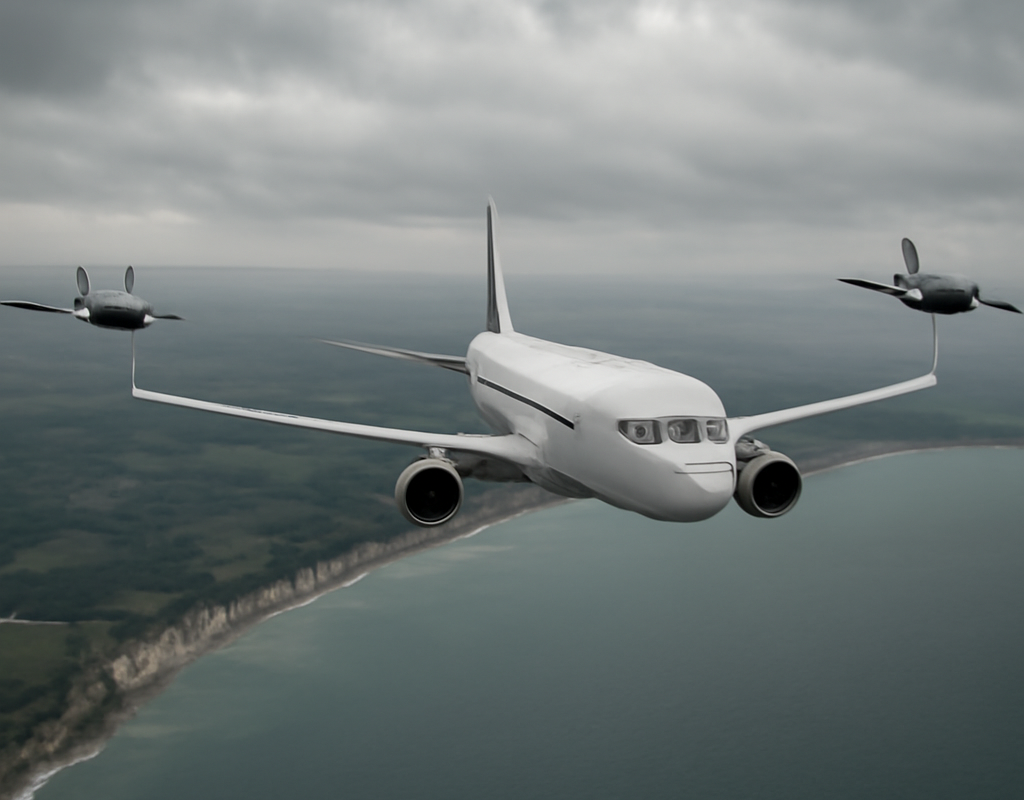
An Aer Lingus pilot is under investigation in France after an aircraft targeted by a hoax bomb threat allegedly did not initially land at the military airfield requested by French authorities. The plane was later escorted by two fighter jets and landed safely in Normandy, where no explosives were found.
What happened to the Aer Lingus flight?
The Aer Lingus service was travelling from Dublin to Rome on Thursday when it was diverted over northern France following a bomb threat. French authorities said the aircraft allegedly refused to land at a military base in Evreux, instead preferring a civilian airport.
The French military responded by sending two fighter aircraft to accompany the passenger plane. It subsequently landed at an air force base in Normandy and was searched. No suspicious device or explosives were discovered.
The Evreux prosecutor’s office has opened an investigation into the circumstances surrounding the incident. The inquiry is examining the aircraft’s response to instructions from French authorities and the decisions made during the diversion.
Aer Lingus says pilots co-operated with authorities
Aer Lingus said its pilots “fully co-operated with the French authorities” and that their engagement with officials had concluded. The airline did not provide further details when asked whether the aircraft had initially declined to divert as instructed.
The investigation remains with the relevant French aviation, policing and security authorities. At this stage, the available information does not indicate that any explosive device was carried on board.
- The flight was travelling from Dublin to Rome.
- A hoax bomb threat led to its diversion in northern France.
- Two French fighter jets escorted the aircraft.
- The plane landed safely at a military base in Normandy.
- No explosives were found.
- French authorities are investigating the incident.
Nearly 30 European flights disrupted
The Aer Lingus incident formed part of a wider wave of hoax bomb threats affecting almost 30 flights across Europe on Thursday. Services involving Ireland, Britain, France, Italy, Spain, Bulgaria, Romania, Poland, Finland, Austria, Denmark, Belgium, Portugal, Greece, Serbia and Czechia were disrupted, diverted or forced to make precautionary landings.
Airlines affected included Aer Lingus, Ryanair, Wizz Air, Finnair, easyJet, Aegean Airlines, Iberia, Sky Express, Air Serbia and LOT. Each of the affected aircraft landed safely, and searches found nothing suspicious.
Two Ryanair services linked to Ireland were also affected. A flight from Dublin to Prague was among those disrupted, while a London Stansted-to-Cork service was delayed by about 90 minutes after Cork Airport received an anonymous phone threat.
Passenger describes fighter jet escort as “terrifying”
Dubliner Katie McAteer, who was travelling on the Aer Lingus flight, said passengers were about an hour into the journey when the pilot announced that there was a problem with the aircraft.
Passengers were told the plane had been directed to land at an airbase. McAteer later described seeing a fighter jet flying alongside the aircraft, saying the experience was frightening because travellers initially did not know what was happening.
She said the pilot subsequently indicated that the threat was believed not to be credible, which provided some reassurance before the plane landed safely.
Travellers affected by a security disruption should follow instructions from cabin crew, airport staff and emergency services. Flight information can change quickly during an investigation, so passengers should check directly with their airline and airport before travelling.
Irish authorities examining whether threats were connected
Minister for Foreign Affairs Helen McEntee described the incidents as extremely concerning, particularly with major European summits due to take place in Dublin the following week. She said gardaí and security agencies were working with international counterparts to protect people travelling to and within Ireland.
McEntee said it was not yet clear where the threats originated or whether all of them were connected. The messages appeared to have been delivered through different channels, including email, according to her comments.
A senior Government source said the working assumption was that the hoaxes may have been co-ordinated. The source raised the possibility of involvement by agents aligned with Russia or Iran, but no attribution has been confirmed publicly. Investigators will need to establish whether the incidents share a common source before responsibility can be assessed.
The Minister for Transport’s office said the inquiries were being handled by the appropriate aviation, policing and security bodies in each jurisdiction.
What happens next?
French investigators are expected to examine communications between the aircraft and authorities, the decision-making process during the diversion and the origin of the threat. Separate inquiries are continuing across Europe into the wider series of hoaxes.
For airlines and airports, false threats can still require major security responses. Aircraft may be diverted, passengers may be evacuated or delayed, and emergency services may need to inspect planes even when the original warning is ultimately judged to be non-credible.
Frequently asked questions
Was the Aer Lingus aircraft carrying explosives?
No. The aircraft was searched after landing and no explosives or suspicious items were found.
Why were fighter jets sent to escort it?
French authorities dispatched two fighter jets after a bomb threat led to the aircraft being diverted and questions arose over its initial response to landing instructions.
Was anyone injured?
The available information says the flight landed safely. No injuries were reported in the supplied account.
Are Irish flights still affected?
The wider disruption affected several services connected with Ireland, including Aer Lingus and Ryanair flights. Passengers should check current information with their airline or airport.
Why this matters for Ireland
The incident highlights the international security response triggered by threats against civil aviation, even when they prove to be hoaxes. It also shows how quickly an event affecting an Irish flight can involve airline crews, military authorities, police forces and governments across several countries.
The investigation is continuing, and the source of the threats has not been established. For now, the confirmed position is that the Aer Lingus aircraft landed safely, no explosives were found and French authorities are examining the circumstances of the diversion.
This Breaking News Ireland story remains subject to further updates as investigators establish whether the threats were connected and whether any action will follow.