

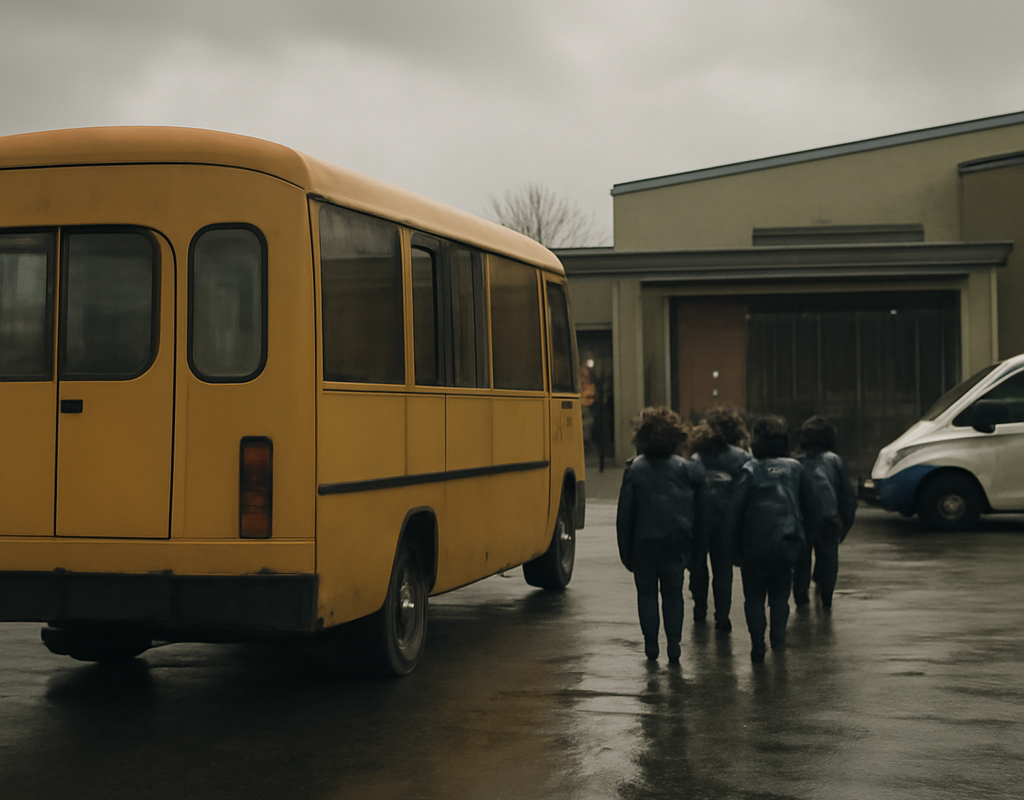
Ireland’s school transport scheme exceeded its budget by €96 million in 2025, with the Dáil Public Accounts Committee told that State funding arrangements lack transparency. The overspend comes as demand grows, particularly for transport serving pupils with special educational needs.
School transport costs exceeded budget by 25%
The Department of Education initially provided €383 million for school transport in 2025. Actual spending reached €479 million, an increase of approximately €96 million, or 25 per cent above the original estimate.
Comptroller and Auditor General Seamus McCarthy told the committee that the explanation given for the overspend was that the original estimate did not adequately reflect the demand for the service.
The scheme transported about 181,000 pupils during the year, including roughly 24,000 children with special educational needs. The figures underline the scale of the service and the financial pressure created by rising demand and more complex transport requirements.
- 2025 school transport budget: €383 million
- 2025 actual spending: €479 million
- Overspend: €96 million
- Pupils served: about 181,000
- Special educational needs pupils transported: about 24,000
Why special-needs transport is driving higher costs
Transport for pupils with special educational needs is substantially more expensive than mainstream provision. Department of Education secretary general Bernie McNally told the committee that 60 per cent of the budget was being spent on transport for 13 per cent of pupils using the scheme.
The reported average cost was about €14,000 per pupil with special educational needs, compared with approximately €480 for other pupils. The difference reflects the need for more tailored routes, additional supports and vehicles capable of meeting individual mobility requirements.
Demand is also increasing. More than 30,500 pupils with complex special needs were enrolled in special schools or special classes within mainstream schools during the 2025/2026 school year, around 70 per cent more than in 2020.
Concerns over school transport funding and accounting
Mr McCarthy described a “lack of transparency around funding” for the bus services. He also told TDs that €46 million intended for special-needs assistance in 2025 had been allocated to other payroll subheads in the accounts.
Fianna Fáil TD Martin Daly said the committee should be concerned about the pattern of departmental overspending. He pointed to an overall Department of Education overrun of €131 million in 2024, following overruns of €99 million in 2023 and €69 million in 2022.
Those figures cover the department’s overall budget rather than school transport alone, but they formed part of the committee’s examination of how education spending is estimated, monitored and reported.
Follow further Ireland News and Education News Ireland coverage at DailyDigest.ie.
Funding for 2026 and 2027
The Department of Education has allocated €641 million for school transport in 2026. That allocation is due to rise to €687 million in 2027, reflecting the continuing expansion of the scheme and the higher cost of supporting pupils with additional needs.
Recent pressures have also included exceptional demand linked to the Covid-19 pandemic and the arrival of Ukrainian pupils. Ms McNally said the influx of Ukrainian children created a requirement for approximately 6,000 additional school places, adding to logistical demands across the education system.
The larger allocations do not, by themselves, resolve the concerns raised at the committee. Future spending will depend on the accuracy of demand forecasts, contractor costs, route planning and the number of pupils actually using allocated seats.
Bus Éireann operates a large contractor network
The Department of Education funds the scheme and contracts Bus Éireann to deliver it. Bus Éireann directly operates about 6 per cent of services, while most routes are provided by private operators.
Bus Éireann chief executive Jean O’Sullivan told the committee that the service involved 1,448 contractors and 11,241 routes in 2025. She described the scheme as the largest of its kind in Europe and said closer cooperation between the department and the company could help increase access.
The operational model means that effective oversight depends on reliable information from the department, Bus Éireann and contractors. Clear data is particularly important when officials are deciding whether unused seats can be reassigned.
Could unused school bus seats be made available?
The Department of Education’s school transport review is being implemented, but officials said further progress depends on technology upgrades and the resolution of logistical, timing and funding issues.
At present, the scheme operates a one-seat, one-ticket safety rule. Ms McNally said this limits the number of tickets issued, while some ticket holders do not use their seats every day.
Officials do not currently have reliable, timely utilisation data showing how often allocated seats are used. Without that information, it is difficult to safely introduce a system that would allow other eligible pupils to use seats left vacant.
Potential improvements include:
- better digital tracking of ticket and route usage;
- more accurate forecasting of demand;
- clearer financial reporting for special-needs transport;
- closer integration with wider public transport planning.
What happens next?
The committee’s evidence is likely to increase scrutiny of the Department of Education’s school transport estimates and reporting practices. The department must also continue implementing the school transport review while maintaining safety standards for children and contractors.
For families, the immediate issue remains access: whether a child receives a seat, how reliable the route is and whether transport is available when special educational needs require tailored support. For policymakers, the challenge is balancing wider access with a scheme whose most complex journeys carry significantly higher costs.
Frequently asked questions
How much did school transport overspend by in 2025?
Spending was €479 million against an original budget of €383 million, creating an overspend of €96 million.
How many pupils use Ireland’s school transport scheme?
The scheme served about 181,000 pupils, including approximately 24,000 pupils with special educational needs.
Who delivers the school bus service?
The Department of Education funds the service and contracts Bus Éireann. Bus Éireann directly operates a small proportion of routes and contracts most services to private operators.
Why is special-needs transport more expensive?
It often requires tailored routes, additional supports and specialised vehicles, resulting in a much higher average cost per pupil.
Conclusion
The €96 million overspend shows the financial strain facing Ireland’s school transport system as pupil numbers and special-needs provision expand. The key priorities now are transparent accounting, realistic budgeting and dependable usage data so that available seats can be allocated safely and efficiently. For families following the latest Irish news, the committee hearing highlights an issue with direct consequences for school access, public spending and education equality.