

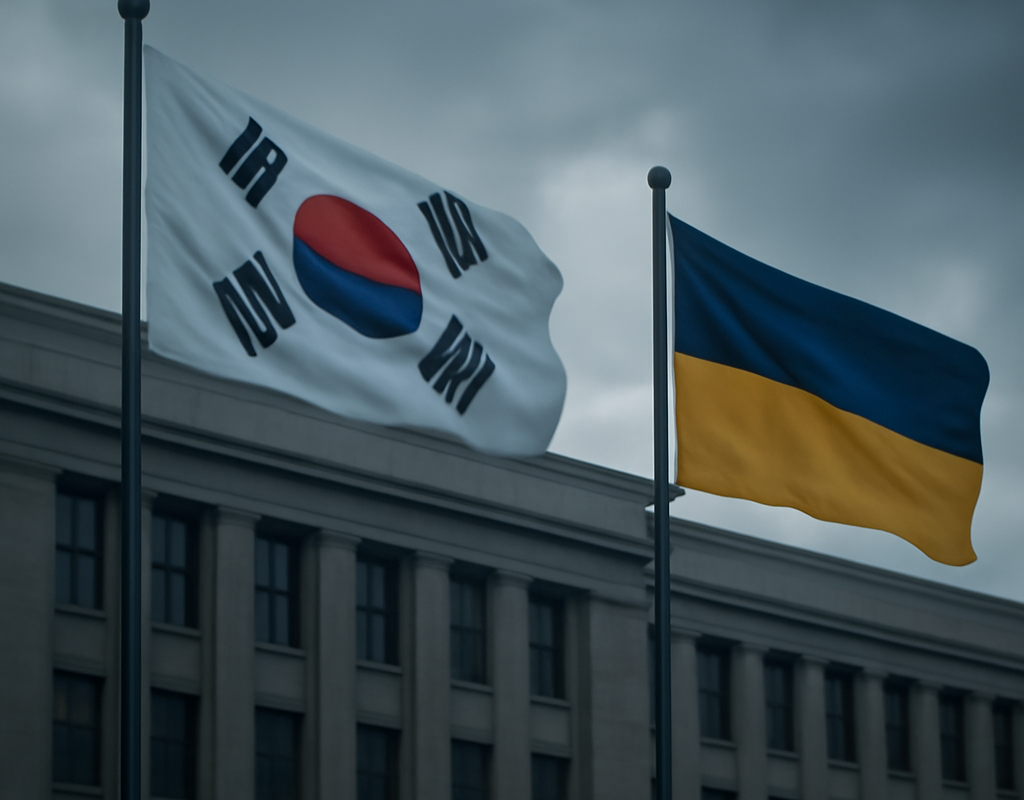
South Korea’s decision to recall its ambassador to Ukraine has exposed a growing diplomatic dispute over Kyiv’s disclosure of North Korean prisoners of war captured while fighting alongside Russian forces. The disagreement has wider implications for European security because it links the war in Ukraine to North Korea’s military cooperation with Moscow.
According to the source material, Seoul also warned of further measures if Ukraine did not issue a public apology. Kyiv, meanwhile, said it remained open to constructive dialogue, leaving the dispute unresolved but still subject to diplomatic engagement.
What happened between South Korea and Ukraine?
The dispute followed Ukraine’s disclosure of the transfer of North Korean prisoners of war. North Korean soldiers were reportedly deployed alongside Russian troops on Ukrainian battlefronts, after Russia sought support from close allies to strengthen its forces.
South Korea objected to the way the information was made public. Seoul reportedly viewed the disclosure as a breach of a non-disclosure agreement and said Ukraine should provide a public apology. South Korean officials also indicated that additional measures could follow if Kyiv refused.
South Korea subsequently recalled its ambassador to Ukraine for consultations. An ambassadorial recall is a serious diplomatic step, but it does not necessarily mean that diplomatic relations have been broken or that communication has ended.
Why the North Korean POW issue matters
The presence of North Korean personnel in Russia’s war against Ukraine has added an important international dimension to the conflict. It has raised questions about military cooperation between Moscow and Pyongyang and about the treatment, transfer and possible future status of captured soldiers.
For Seoul, the issue is especially sensitive because North Korea remains its direct military and security rival. Any evidence that North Korean troops are participating in combat abroad can affect South Korea’s assessment of Pyongyang’s military capabilities, foreign partnerships and strategic intentions.
The episode also demonstrates how battlefield developments can create diplomatic consequences far beyond Europe. Information about prisoners, military deployments and intelligence-sharing can involve several governments at once, particularly when a conflict includes foreign personnel.
South Korea’s position on military assistance to Ukraine
The source material states that South Korea had not provided lethal weapons to Ukraine, citing a domestic ban on militarily aiding countries at war. That position has limited Seoul’s direct military involvement, even as it has closely followed the conflict and the reported participation of North Korean forces.
South Korea’s response therefore reflects a delicate balance between its security concerns, its relationship with Ukraine and its broader approach to military assistance. The ambassador’s recall signals dissatisfaction with Kyiv’s handling of the POW disclosure without confirming a complete break in relations.
Kyiv signals willingness to keep talking
Ukraine said it was open to constructive dialogue with Seoul despite the recall. That response leaves room for diplomatic efforts to address the disagreement, including the handling of sensitive information and the terms of any non-disclosure arrangements.
The next stage could involve direct discussions between officials, clarification of how the POW information was released and efforts to prevent the dispute from affecting wider cooperation. No final resolution was identified in the supplied material.
The disagreement also comes against a broader background of international concern about Russia’s military partnerships. European governments and other allies have monitored the involvement of external actors in the war, while South Korea has focused particularly on the implications for the Korean Peninsula.
European and international implications
Although the immediate dispute is between Seoul and Kyiv, it is relevant to European security and diplomatic affairs. The case illustrates how the war in Ukraine has drawn in countries from outside Europe and how developments on the battlefield can affect relations across regions.
- For Ukraine: the dispute creates another diplomatic challenge while Kyiv continues to seek international support.
- For South Korea: the reported deployment of North Korean soldiers raises concerns about Pyongyang’s military cooperation with Russia.
- For European governments: the issue adds to questions about foreign military involvement in the war.
- For Russia and North Korea: the controversy increases scrutiny of their reported defence relationship.
The episode is not an EU decision or a European Union legislative development. It is a bilateral diplomatic dispute with wider consequences for European security, Ukraine’s international relations and the monitoring of North Korea’s external military activity.
What happens next?
The immediate focus is likely to remain on whether Seoul and Kyiv can restore a working diplomatic channel. South Korea’s warning of further measures means the disagreement could deepen if no apology or explanation is accepted, while Ukraine’s stated openness to dialogue provides a basis for further talks.
Key questions include:
- Whether Ukraine will issue the public apology requested by Seoul;
- Whether South Korea will take additional diplomatic or policy measures;
- Whether the two governments will clarify the non-disclosure agreement;
- How the reported involvement of North Korean personnel will affect international discussions about the war.
For readers following European news, the central point is that the dispute connects Ukraine’s war, Russia’s international military relationships and South Korea’s security concerns. The ambassador’s recall is a significant diplomatic warning, but the available information indicates that dialogue has not been ruled out.
Conclusion
South Korea’s recall of its ambassador to Ukraine reflects Seoul’s anger over the public disclosure of North Korean POW transfers and the alleged breach of a non-disclosure agreement. The dispute remains diplomatic rather than a confirmed break in relations, with Kyiv saying it is open to constructive dialogue. Its wider importance lies in showing how the war in Ukraine continues to affect security and foreign policy far beyond Europe.