

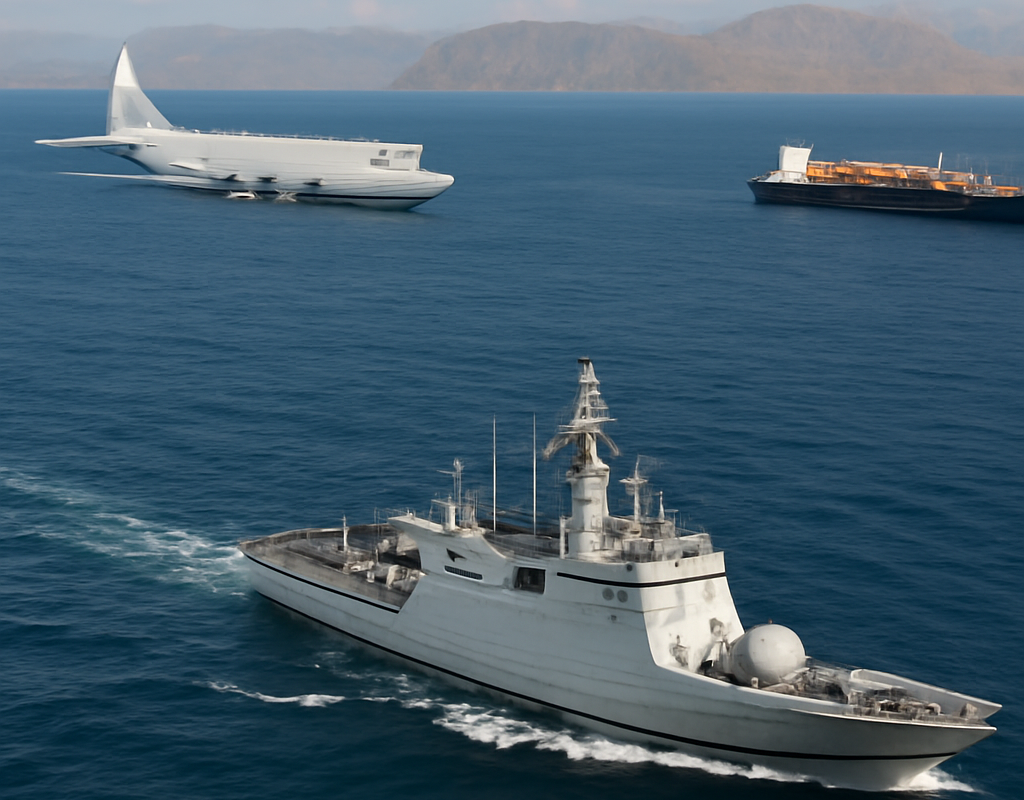
South Korea plans to extend its naval patrol mission from the Gulf of Aden to waters near Oman, responding to a reported rise in piracy farther from Somalia’s coast. The proposed deployment is designed to protect merchant shipping while keeping South Korean forces outside the Strait of Hormuz and separate from the ongoing conflict involving Iran.
The plan, announced by South Korea’s defence ministry on 5 November 2026, still requires approval from the cabinet, President Lee Jae-myung and the National Assembly. If approved, the expanded mission would run until 31 December 2027.
What South Korea is proposing
South Korea’s navy has operated the Cheonghae Unit in the Gulf of Aden since 2009, escorting commercial vessels and supporting maritime security near the Somali coast. Under the proposed change, the unit would also patrol waters near Duqm, an Omani port approximately 650 kilometres from the Strait of Hormuz.
The proposed patrol area would remain outside the strait itself. South Korean officials also said the unit would continue operating under national command, rather than becoming part of another country’s military structure.
The expanded deployment would include:
- A P-8A Poseidon maritime patrol aircraft
- A bomb disposal team
- Uncrewed vessels or other uncrewed systems for mine-clearance operations
- An increase in the personnel ceiling from 320 to 395
The current mandate for the Cheonghae Unit expires on 31 December. Deputy ministers supported the proposal, and the cabinet is expected to review it before any parliamentary vote.
Why the patrol area is being extended
South Korea’s defence ministry said 36 piracy incidents had been recorded off Somalia so far in 2026, compared with 11 incidents during the whole of 2025. According to the ministry, pirates have moved farther east towards Oman as international naval forces have concentrated more of their activity around the Red Sea and the Strait of Hormuz.
The proposed patrols would therefore address a changing maritime-security environment. Commercial ships travelling between the Middle East, Asia and Europe depend on safe passage through major shipping routes, and disruption in the region can affect freight, insurance and energy supplies.
The mission would also provide South Korean personnel with experience in mine-clearance and maritime protection operations. Seoul has supported a British and French-led plan to protect merchant vessels and remove mines in the Strait of Hormuz if security conditions eventually allow such work to take place.
South Korea seeks to avoid direct involvement in the Iran conflict
Although the proposed patrol zone is close to the Strait of Hormuz, South Korea has stressed that its forces would remain outside the waterway. The distinction is politically important because the government has ruled out a deployment that could pull the country directly into the war involving Iran.
South Korean President Lee Jae-myung said in September that the country had a responsibility to protect its citizens, merchant vessels and oil supplies. At the same time, Seoul said it did not want to undertake an operation that would create a direct military role in the conflict.
US President Donald Trump has criticised South Korea for what he considers insufficient support for the war effort. The proposed patrol expansion appears intended to strengthen maritime protection without committing South Korean forces to combat operations inside the strait.
Why the Strait of Hormuz matters to Seoul
South Korea is heavily dependent on Middle Eastern energy supplies. Industry ministry figures cited in the report indicate that around 70% of the country’s oil came from the Middle East in 2025, with most of that supply travelling through the Strait of Hormuz.
That dependence gives Seoul a direct economic and strategic interest in the security of the waterway, even if its naval personnel do not enter the strait. A prolonged disruption could affect oil deliveries, transport costs and wider industrial activity in South Korea.
The proposed mission also reflects the wider importance of the route to international trade. The Strait of Hormuz links the Persian Gulf with the Gulf of Oman and is a major corridor for energy shipments. Any escalation affecting commercial traffic could have consequences well beyond the region.
What happens next?
The proposal has not yet become a final deployment decision. The next stages are:
- The South Korean cabinet reviews the plan.
- President Lee Jae-myung decides whether to approve the proposal.
- The National Assembly votes on extending the patrol area and renewing the mission through 31 December 2027.
Any future operation inside the Strait of Hormuz would require separate approval from the National Assembly. South Korea’s participation in mine-clearance or escort operations within the strait would also depend on security conditions, including the end of the war or an agreement between Washington and Tehran that allowed crews to operate safely.
What the proposal means for international shipping
If approved, the expanded Cheonghae Unit mission would add South Korean surveillance and protection capabilities to waters near Oman. Its stated focus would be commercial shipping, anti-piracy activity and mine-related risks rather than combat operations.
The plan also illustrates how maritime security responsibilities are shifting as naval forces respond to threats in the Gulf of Aden, the Red Sea and the Strait of Hormuz. For shipping companies and energy-importing countries, the central issue is whether international patrols can keep key routes open without widening the regional conflict.
For now, South Korea’s proposal remains subject to domestic approval. The immediate next decision will come from Seoul’s cabinet, followed by the president and parliament.
Key takeaway: South Korea is seeking to expand anti-piracy patrols near Oman, but the proposed mission would stay outside the Strait of Hormuz and would not authorise direct participation in the Iran conflict. Final approval still rests with the country’s constitutional authorities and National Assembly.