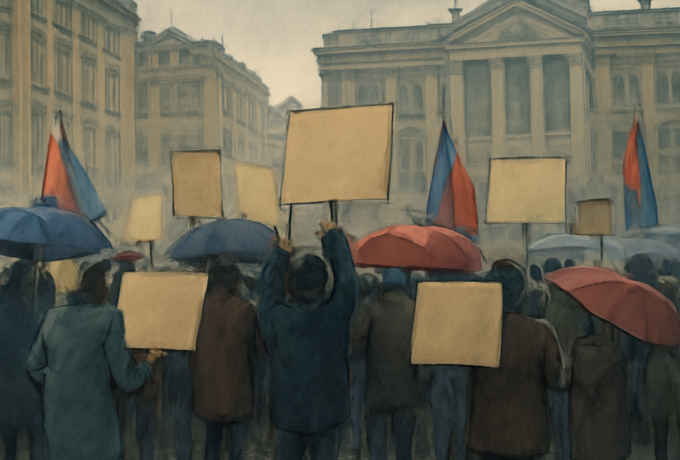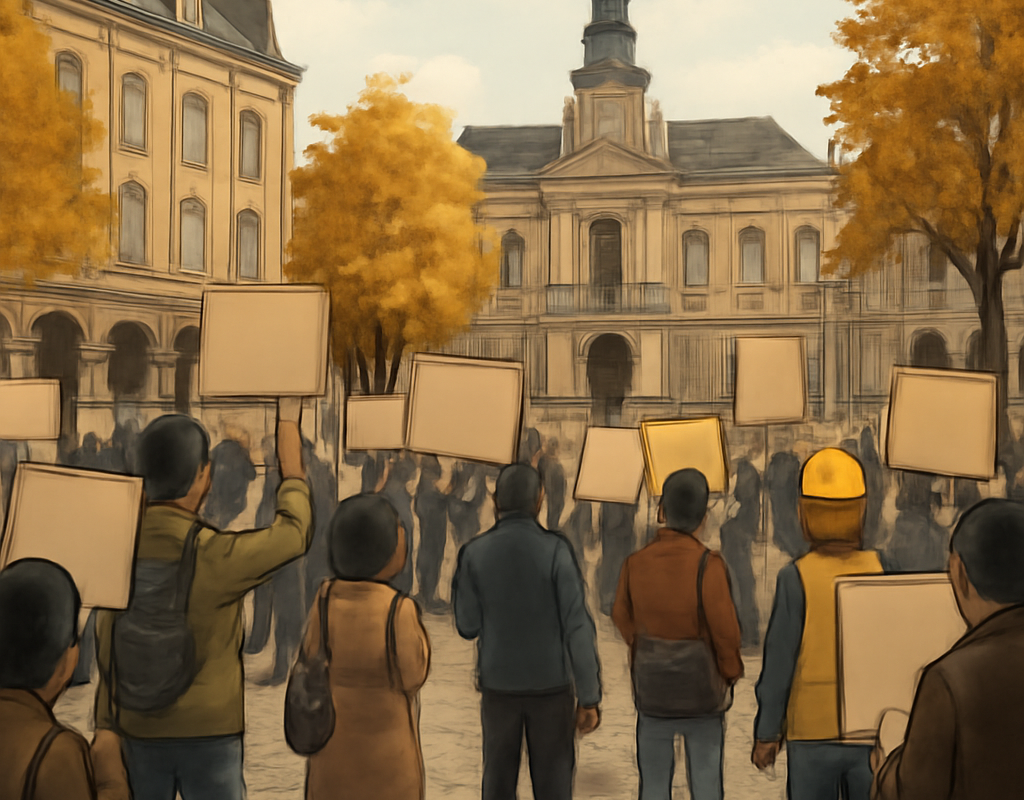
Workers and students took to the streets across Europe on Friday, 20 November, in coordinated demonstrations calling for higher wages, better living conditions and greater investment in public services. The protests began in more than 25 countries and are expected to continue through the weekend.
The Europe news story brings together several concerns that have fuelled demonstrations in recent weeks, including rising housing costs, pressure on education systems and increased military spending. Protesters also called for peace and more funding for healthcare and welfare.
Europe protests focus on wages and public services
The mobilisation was particularly visible in Italy, where the Italian General Confederation of Labour (CGIL) organised a 24-hour strike. Demonstrations took place in more than 100 locations as trade union members and supporters criticised stagnant wages, the rising cost of living and what organisers described as inadequate public services.
Opposition leaders joined some of the Italian rallies and used the demonstrations to criticise Prime Minister Giorgia Meloni’s government over pay and social spending. The strike involved public and private-sector workers, creating disruption for public transport in several cities. Schools and some health facilities were also affected.
Planned air transport strikes were cancelled on Friday. However, separate industrial action involving airport staff was still scheduled for Sunday at airports in Milan and Venice. Authorities increased police deployments in several Italian cities where multiple demonstrations were taking place.
Why the Italian strike matters
The Italian protests reflect wider European current affairs, with household budgets under pressure and unions seeking stronger wage growth. Housing affordability, access to public services and workers’ rights were central themes rather than isolated workplace disputes.
- CGIL called a 24-hour strike across Italy.
- Protests were reported in more than 100 locations.
- Public transport, schools and some health services experienced disruption.
- Further airport staff walkouts were scheduled for Sunday in Milan and Venice.
Students oppose education cuts and military spending
Students were also prominent in Friday’s demonstrations. In Croatia, students boycotted classes and protested in roughly a dozen cities. Their demands included increased investment in education, housing and public services, alongside opposition to higher military spending.
The Croatian action formed part of the International Day of Student Mobilisation, which helped link campus protests with the broader Europe news movement. The focus was not only on university funding, but also on the cost of living and the public priorities shaping national budgets.
In Austria, several hundred people gathered outside the University of Vienna for a youth-led demonstration. Protesters called for more education funding and less spending on weapons. Police later dispersed the protest following reported disturbances. Pepper spray was used and several arrests were made.
German rallies raise compulsory service concerns
In Germany, demonstrators called for stronger investment in education and opposed a possible return to compulsory military service. The rallies followed protests on 31 October, when thousands of people took part and violence was reported in some cities.
The German demonstrations show how debates over defence policy are increasingly connected to education, public spending and young people’s future prospects. For protesters, the question is not simply how much governments spend, but which services and priorities receive funding.
A coordinated movement with different national demands
Although the demonstrations shared broad themes, the immediate demands varied from country to country:
- Italy: higher wages, improved public services and stronger worker protections.
- Croatia: more investment in education and housing, with less emphasis on military spending.
- Austria: greater education funding and opposition to weapons expenditure.
- Germany: investment in education and resistance to a possible return to compulsory military service.
The protests are not presented as a single European Union decision or EU-wide policy announcement. Instead, they are a coordinated international protest movement bringing together national trade unions, students and other campaigners around overlapping economic and social concerns.
What to watch as demonstrations continue
Further protests are expected through the weekend, while planned industrial action may continue to affect transport and other services in some locations. The scale and impact will depend on national strike arrangements, public participation and local security decisions.
The latest Europe news also highlights the political tension surrounding public spending. Governments face demands to respond to high living costs and strained services while managing defence commitments. The demonstrations suggest that wages, housing, education and military budgets will remain important issues in European politics.
Europe news takeaway
Friday’s protests across more than 25 countries brought workers and students together around demands for better wages, affordable living conditions and stronger public services. Italy saw the broadest reported strike action, while student demonstrations in Croatia, Austria and Germany focused on education and opposition to increased military spending. With further action expected, the Europe news movement is likely to keep public spending and social priorities at the centre of debate.