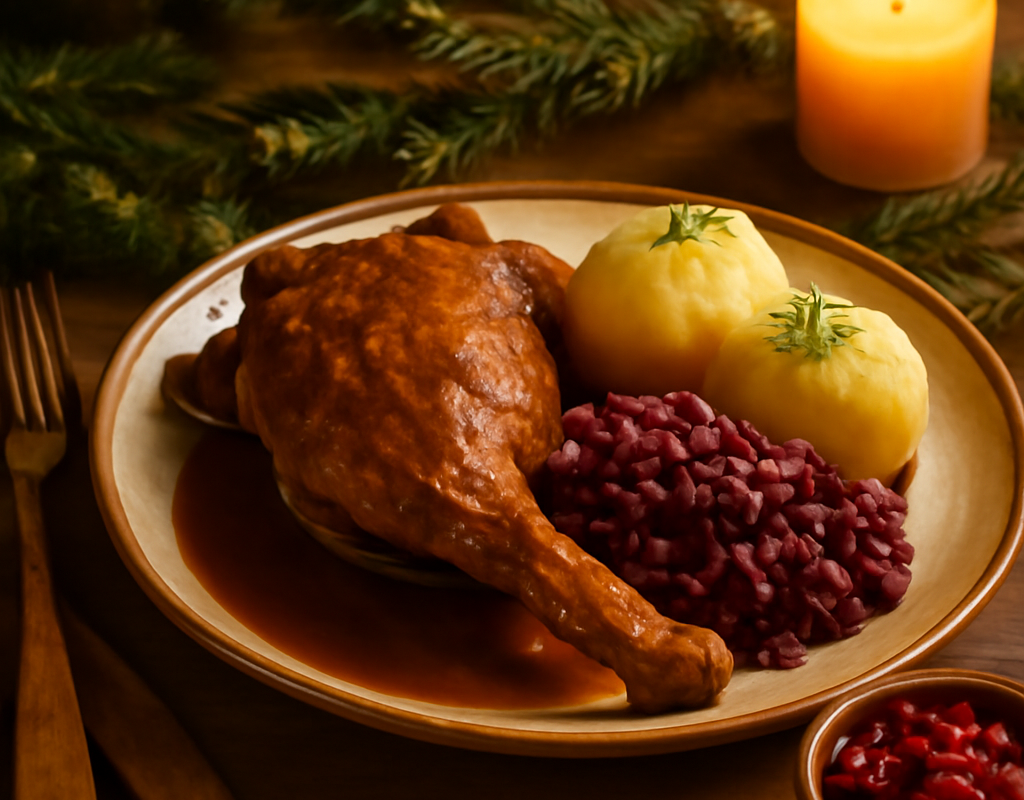
Could raccoon roast become Germany’s next festive alternative to goose? In Thuringia, chef Steffen Haaßengier is putting the invasive species on restaurant menus, serving it with familiar accompaniments such as red cabbage, dumplings and lingonberry sauce.
The unusual dish reflects a wider debate about how Germany should manage its growing raccoon population. Supporters argue that eating animals already being culled could provide a more sustainable source of meat, while the idea remains challenging for diners more accustomed to traditional Christmas dishes.
Raccoon roast moves from novelty to restaurant menu
Haaßengier, based in Weimar, first encountered raccoons while fishing. For more than two years, the chef has served the animals at his restaurant, Zum Lindeneck, despite following a vegetarian diet in his private life.
He also runs cookery courses showing participants how raccoon meat can be prepared. Local hunters supply the animals after they have been shot, and veterinary authorities test the carcasses for diseases before they are used as food.
The chef says diners are often hesitant at first because of the animal’s familiar appearance. However, he claims many guests enjoy the flavour and return with relatives or friends. His menu has included:
- Raccoon burgers with Canadian-style coleslaw and chips
- Braised raccoon leg with red wine and lingonberry sauce
- Raccoon served with red cabbage and potato dumplings
- A raccoon ragout, which he is developing
Haaßengier describes the meat as tender, long-fibred and slightly sweet, with qualities he compares with game, beef or rabbit. He recommends strong seasoning, including rosemary, thyme, paprika, garlic and onion.
Why raccoons are considered a problem in Germany
Raccoons are native to North America but are classified as an invasive species in Germany. As omnivores, they can prey on amphibians, reptiles and birds, potentially putting pressure on native wildlife.
The German Hunting Association recorded almost 290,000 raccoons shot across the country in 2025. The animals can weigh between 3.6 and 13 kilograms and live for up to 16 years. They can also cause damage around homes and gardens, including contamination from faeces and urine.
Population figures have risen in parts of eastern Germany. In Berlin, 286 raccoons were shot during the 2024/25 hunting season, compared with 103 in 2022/23. In neighbouring Brandenburg, about 30,000 were shot during the 2022/23 season.
These figures form the basis of the sustainability argument behind the dish. Haaßengier says raccoon meat does not involve factory farming, while the animals are already being removed because of their impact on native ecosystems. That does not make the practice automatically risk-free, however: food safety checks and appropriate preparation remain essential.
Could raccoon replace Christmas goose?
Christmas food in Germany varies between households. Potato salad and sausages are common on Christmas Eve, while meals during the main holidays may include roast goose, duck or beef roulades. Red cabbage and potato dumplings are familiar accompaniments, making braised raccoon a deliberately unconventional variation on an established format.
Haaßengier believes raccoon leg could be prepared in much the same way as goose leg, duck or roulade. In his view, introducing the meat would not require families to abandon the wider traditions of a German Christmas meal.
His restaurant is due to host a St Nicholas feast on 6 December, with raccoon and badger among the dishes offered. Whether such events encourage wider interest remains uncertain. Cultural familiarity, availability and diners’ attitudes towards eating a recognisable wild animal are likely to influence whether the idea extends beyond specialist restaurants.
Germany has tried unusual game meat before
The concept is not entirely without precedent. In eastern Germany before reunification, nutria—sometimes called the swamp beaver—was eaten as a by-product of fur farming. It was prepared as a roast, stew or pan-fried dish, and was also used in sausages. Nutria Bolognese was reportedly served in some school and workplace canteens.
That history shows how food habits can change when an animal is plentiful and its meat is available. Still, raccoon is unlikely to replace goose across Germany overnight. For now, it remains a niche dish that combines wildlife management, local food culture and an attempt to rethink the traditional festive roast.
The takeaway on raccoon roast
Raccoon roast is gaining attention in Thuringia because it offers an unusual answer to Germany’s invasive-species problem while echoing the flavours and presentation of a classic Christmas meal. The dish may appeal to adventurous diners, but its future will depend on consumer acceptance, regulated food handling and whether enough restaurants choose to serve it.