

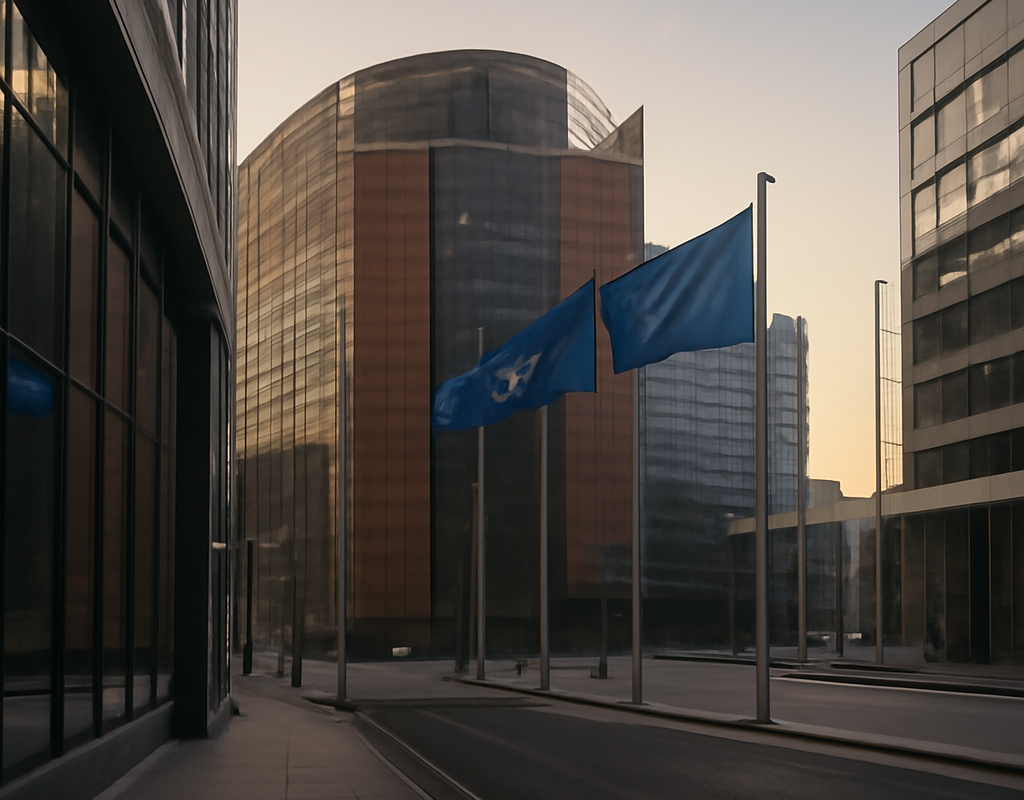
Standfirst: Europe Today is Euronews’ flagship morning programme, bringing viewers live coverage and analysis from Brussels. The show follows the political, security, economic and diplomatic developments influencing the European Union and its neighbours.
For audiences looking for reliable EU news at the start of the day, Europe Today provides a focused briefing on the issues shaping European affairs. Broadcast live from Brussels each morning at 08:00, the programme combines rolling headlines with interviews, analysis and reporting from across the continent.
What is Europe Today?
Europe Today is a daily Euronews television programme centred on the stories most relevant to Europe and the European Union. Its coverage spans Brussels politics, international diplomacy, security, economic developments and major national events with wider regional consequences.
The programme is designed as a morning overview. Rather than concentrating on a single policy area, each edition brings together the most significant developments emerging across Europe and beyond, including events affecting EU institutions, NATO, Ukraine, trade and European governments.
Key areas covered by the programme
The episodes listed on the programme page show the breadth of topics addressed by Europe Today. Coverage includes:
- EU politics and institutions: European Council meetings, European Commission announcements, Parliament activity and debates over the future direction of the Union.
- Security and defence: NATO summits, European defence policy, hybrid threats, drone incidents and responses to Russia’s war against Ukraine.
- Ukraine and European support: diplomatic efforts, military and financial assistance, sanctions discussions and Ukraine’s relationship with the EU.
- International relations: Europe’s dealings with the United States, China, Russia, the Middle East and candidate countries.
- National politics: elections, government pressures and political changes in countries including France, Germany, Spain, Serbia and the United Kingdom.
- Energy and the economy: energy prices, trade tensions, tariffs, economic risks and debates over Europe’s competitiveness.
- Migration and enlargement: EU migration policy, border pressures and the prospects of countries seeking closer ties with the European Union.
Why Brussels remains central to European news
Brussels is the political centre of the European Union and hosts the main working institutions, including the European Commission, the European Council and the Council of the European Union. Decisions and negotiations taking place there can affect businesses, governments and residents across the 27 member states.
However, Europe Today does not limit its reporting to EU legislation. The programme also follows NATO policy, national elections, diplomatic disputes and conflicts that may influence Europe’s security or economy. This wider approach helps viewers understand the relationship between European Union decisions and broader European politics.
From Ukraine to wider security concerns
Ukraine has been a recurring focus in the programme’s coverage. Episodes have examined European support for Kyiv, discussions over funding and defence, diplomatic initiatives and the implications of Russian attacks.
Related reporting has also addressed concerns about hybrid warfare, cyberattacks, drones and threats to critical infrastructure. These stories reflect a broader debate over European security and the need for governments to coordinate through the EU, NATO and national institutions.
The programme distinguishes between political announcements, diplomatic proposals and formal decisions. That distinction matters because a statement by a leader or an EU institution does not automatically create binding European legislation.
International pressure on European governments
Europe Today’s episode listings also demonstrate how closely European affairs are connected to global events. Coverage has included US trade policy, tariff threats, tensions involving Iran and Israel, relations with China and debates about international institutions.
Such developments can have direct consequences for Europe through energy markets, trade flows, defence planning, migration and diplomatic cooperation. They also test the ability of EU member states to agree on common positions when national priorities differ.
How to follow Europe Today
The programme is broadcast live from Brussels every morning at 08:00. Euronews also makes the content available through other formats, allowing audiences to follow developments after the live broadcast.
Viewers and readers can access:
- Live morning television coverage from Brussels
- Recorded programme episodes and selected segments
- A newsletter offering updates on European affairs
- A podcast format for listening on demand
Because the programme covers fast-moving events, viewers should check the latest episode and official institutional sources when following a developing story. The legal status of an EU proposal, the outcome of a summit or the details of a sanctions decision can change as negotiations continue.
What Europe Today means for audiences in Ireland
The programme’s coverage is relevant to Irish viewers because Ireland is part of the European Union and the euro area. EU decisions on trade, energy, migration, technology, agriculture and financial policy can affect Irish households, companies and public authorities.
Irish viewers may also have a particular interest in UK-EU relations, Northern Ireland, European security and the country’s role in EU negotiations. Europe Today’s Brussels-based reporting offers context for understanding how discussions at EU level may later influence national policy.
Conclusion
Europe Today offers a concise daily window into the political and strategic issues shaping the continent. For anyone following EU news, the programme brings together reporting from Brussels with coverage of security, diplomacy, economics and national politics. Its main value is helping viewers connect separate developments and understand why decisions made in European capitals and EU institutions matter beyond a single country.