


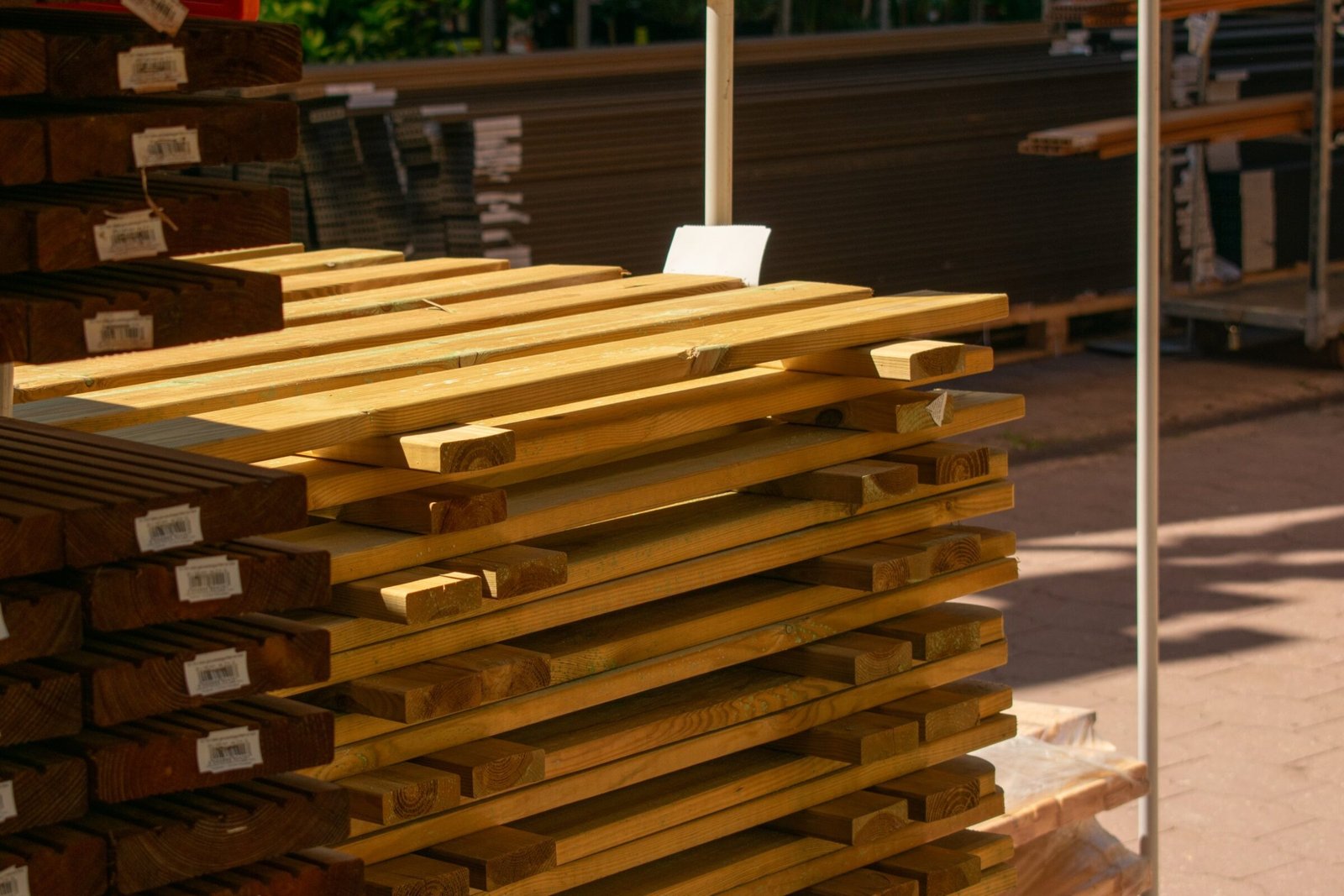
Europe news rarely captures the complexity of sanctions enforcement as clearly as this case. Despite an EU ban on Russian timber imposed after Moscow’s full-scale invasion of Ukraine, investigators and journalists say wood linked to Russia is still entering the Czech Republic, often relabelled as imports from China and routed through third countries.
The findings, first reported by Deník N and republished by EUobserver, raise fresh questions about how effectively European sanctions are being monitored. For readers following ireland news and wider irish news on trade, security and Ukraine, the story is another reminder that supply chains can undermine policy when origin checks are weak.
Europe News: How Russian timber is allegedly bypassing EU sanctions
According to the report, Czech authorities were alerted late last year by officials in the Baltic region that companies in the Czech Republic were still receiving timber of Russian origin in significant volumes. The concern centres largely on Siberian larch, a sought-after wood species associated mainly with Russia’s Siberian forests.
That matters because the European Union prohibited timber imports from Russia in 2022. The logic behind the measure was straightforward: reduce revenue streams that could support Russia’s war effort in Ukraine.
But timber is harder to trace than many industrial goods. Unlike machinery or branded consumer products, raw wood can be difficult to identify by origin at first glance. Similar species may also be found in nearby regions, creating opportunities for relabelling and document fraud.
Why China, Serbia and Turkey appear in the trade trail
The report points to a striking shift in import data. Before the war, the Czech Republic imported roughly 22,000 tonnes of Russian larch annually. After the sanctions took effect, direct imports from Russia reportedly fell to zero.
At the same time, timber imports from other countries rose:
- Shipments from China increased from minimal levels to hundreds of tonnes
- Deliveries also appeared from Serbia and Turkey
- Neither Serbia nor Turkey is known as a natural source of larch on the scale suggested by the trade records
That pattern has fuelled suspicions that some countries are being used as transit hubs rather than true places of origin. In other words, the timber may look Chinese on paper while actually beginning its journey in Russia.
Read more: latest Ireland breaking political updates and public affairs analysis | in-depth Irish business news and media industry coverage
What Czech traders and authorities have said
One major Czech timber trader told Deník N anonymously that a long-time Russian supplier offered to continue selling Siberian larch after sanctions were introduced by claiming in paperwork that the timber came from China. According to the trader, companies were established in China to support that arrangement, but the offer was refused.
If accurate, that account suggests sanctions evasion may not be accidental or administrative, but organised and deliberate.
Czech authorities are reportedly aware of the issue and are investigating some firms. The case also underlines the importance of cooperation between Baltic states, customs officials and central European regulators. Because suspicious goods can move through multiple jurisdictions, enforcement depends on sharing intelligence quickly.
Why timber sanctions are especially difficult to police
There are several reasons timber remains vulnerable to sanctions circumvention:
- Complex supply chains: Wood can be harvested in one country, processed in another and exported from a third.
- Documentation loopholes: Certificates of origin may be falsified or obscured through intermediaries.
- Visual similarity: It is not easy to distinguish timber origin without detailed checks, lab testing or robust chain-of-custody verification.
- Market demand: Premium woods such as Siberian larch remain commercially attractive.
For businesses across Europe, this creates compliance risks. Importers that rely only on paperwork may expose themselves to legal, financial and reputational consequences if sanctioned goods enter their supply chains.
What this means for Europe news and EU sanctions policy
This Europe news story is not only about timber. It reflects a broader challenge facing the EU: sanctions are only as strong as the systems used to enforce them. If products can be rerouted, relabelled or lightly processed elsewhere before entering the single market, then official bans may look tougher on paper than they are in practice.
The implications go beyond the Czech Republic. Policymakers across Europe may now face pressure to tighten customs screening, improve origin verification and expand scrutiny of goods coming through intermediary states.
For audiences searching ireland news and irish news connected to Ukraine, EU trade enforcement and supply-chain transparency, this case is highly relevant because Ireland, like other member states, depends on the credibility of common European sanctions.
Explore more: premium European current affairs features and luxury market insights | trusted Irish headlines on Europe, security and international trade
FAQs
Why is Russian timber banned in the EU?
The EU banned Russian timber imports in 2022 as part of sanctions aimed at restricting revenue that could support Russia’s war against Ukraine.
How can Russian timber still enter Europe?
It may be rerouted through third countries, relabelled with false origins or mixed into more complex supply chains that make enforcement difficult.
Why is Siberian larch mentioned so often?
Siberian larch is a commercially valuable wood and is strongly associated with Russian supply, making it a key focus in the investigation.
Are Czech authorities taking action?
Yes. According to the report, Czech authorities are aware of the issue and are investigating certain companies.
Conclusion
The key takeaway from this Europe news report is clear: banning sanctioned goods is one thing, stopping them from re-entering the market under new labels is another. If Russian timber is indeed still reaching the Czech Republic via false declarations and transit routes, the case exposes a serious gap in EU enforcement that Europe can no longer afford to ignore.