


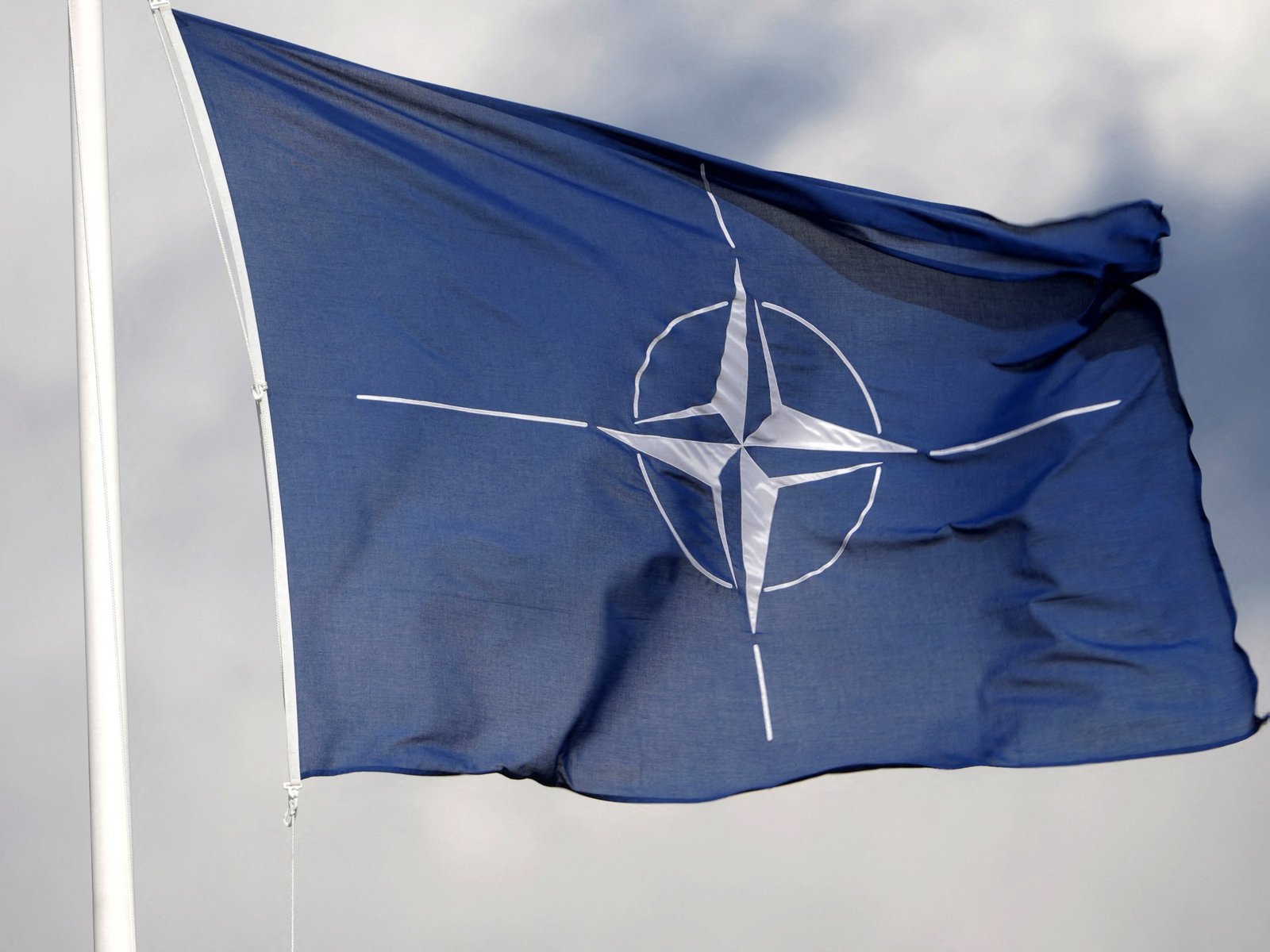
The latest Europe news from Ankara points to a summit that could shape the future of transatlantic security for years to come. As NATO leaders gather in Turkiye, the central question is no longer whether the alliance faces pressure, but how it will adapt to deepening strains between the United States and its European partners.
The two-day meeting brings together leaders from the 32-member alliance at a moment of unusual uncertainty. Ukraine remains a core security concern, tensions linked to the Iran conflict have added fresh disagreement, and US President Donald Trump has again raised doubts about Washington’s long-term commitment to NATO. For readers following ireland news, irish news and wider continental security, this summit matters because any shift inside NATO affects defence policy, trade confidence and political stability across Europe.
Europe News: Why the NATO Summit Matters Now
NATO says the summit will focus on three key goals:
- Increasing defence investment among allies
- Expanding Europe’s defence industrial base
- Maintaining long-term military support for Ukraine
Those priorities come against the backdrop of a more aggressive debate over burden-sharing. European allies and Canada have sharply raised military spending, and last year members pledged to move towards defence expenditure worth 5 percent of GDP. Even so, Washington continues to argue that the balance is unfair.
Trump has openly criticised the alliance, saying the US has carried too much of the cost. His administration has also signalled a strategic shift by announcing the withdrawal of about 5,000 troops from Germany after a review of US force posture in Europe. That move has sharpened fears that the United States may gradually reduce its military footprint across the continent.
For anyone tracking Europe news, the summit is not simply about budgets. It is about whether NATO can manage a historic transition without undermining deterrence.
Is NATO Really Near a Breaking Point?
Despite the dramatic rhetoric, many analysts do not believe the alliance is on the verge of collapse. Instead, they see NATO entering a difficult period of adjustment.
The biggest issue is trust. European governments increasingly accept that the old model of US-led security is changing. Their priority now is to make that transition more predictable. A sudden or chaotic American drawdown would leave major gaps in Europe’s collective defence posture, especially in areas where the US still provides essential capabilities.
That concern has only grown after disagreements over Iran. Trump has reportedly been frustrated by European reluctance to support US military efforts connected to the Strait of Hormuz, adding another layer of tension to already difficult NATO relations.
Read more: latest Ireland political news and security updates | breaking Irish foreign affairs coverage today
Can the US Actually Leave NATO?
In practical terms, a full US withdrawal remains unlikely in the near term. Leaving NATO would require major legal and political steps, including strong congressional backing. With broad support for the alliance still present among many lawmakers in Washington, a formal exit is considered difficult.
That does not mean the threat is irrelevant. The more realistic scenario is a gradual reduction in US involvement rather than an abrupt departure. That could include fewer troops in Europe, a narrower security role, or increased pressure on allies to fill capability gaps more quickly.
This is why the current summit carries so much weight in Europe news coverage. Even without a formal break, a partial US retrenchment would change the strategic balance across the continent.
Europe’s Defence Challenge Is Growing
Russia’s invasion of Ukraine exposed how heavily many European NATO members still depend on the United States. While defence spending in Europe has risen significantly since 2020, important weaknesses remain.
Key gaps Europe still needs to close
- Long-range strike capabilities
- Intelligence, surveillance and reconnaissance systems
- Satellite-based military assets
- Logistics and rapid mobility support
- Integrated air and missile defence
Experts estimate that replacing the most critical conventional US military capabilities could cost around $1 trillion and take a decade or more. That underlines the scale of the challenge. It is not just about spending more money; it is about building industrial capacity, training personnel and solving recruitment and retention problems across European armed forces.
For Irish readers following irish news and wider security developments, this matters because a stronger European defence structure would influence everything from EU strategic planning to regional crisis response.
Explore more: in-depth European leadership and diplomacy analysis | top Ireland current affairs and global security headlines
What to Watch From the Ankara Meeting
Several outcomes will be closely watched:
- Whether leaders present a united message on Ukraine
- How strongly Europe commits to faster defence expansion
- Whether the US offers reassurance on its future military role
- How NATO frames burden-sharing without deepening political divisions
The summit may not produce a dramatic rupture, but it could confirm that NATO is moving into a new era. The alliance that once relied on unquestioned US leadership is now being pushed toward a more Europe-led model, whether by design or by necessity.
Conclusion
This week’s Europe news from Turkiye suggests NATO is not yet at breaking point, but it is under serious strategic strain. The alliance still has the political framework and military depth to endure, yet the old assumptions holding it together are clearly weakening. The real test is whether Europe can step up fast enough, and whether Washington is willing to manage the transition responsibly. For anyone following Europe news, the takeaway is clear: NATO’s future may depend less on whether it survives this summit and more on how it adapts after it.
FAQs
Why is the NATO summit in Turkiye important?
The summit is important because it comes at a time of rising tension over Ukraine, Iran and the future of US support for European security.
Is the United States leaving NATO?
A full US withdrawal appears unlikely for now because it would face significant legal and political hurdles, including congressional resistance.
What are Europe’s biggest defence weaknesses?
Europe still depends heavily on the US for intelligence, long-range strike systems, satellite assets, logistics and missile defence.
How does this affect Ireland?
Even though Ireland is not a NATO member, changes in European security policy affect regional stability, EU defence debates and broader geopolitical risk.