

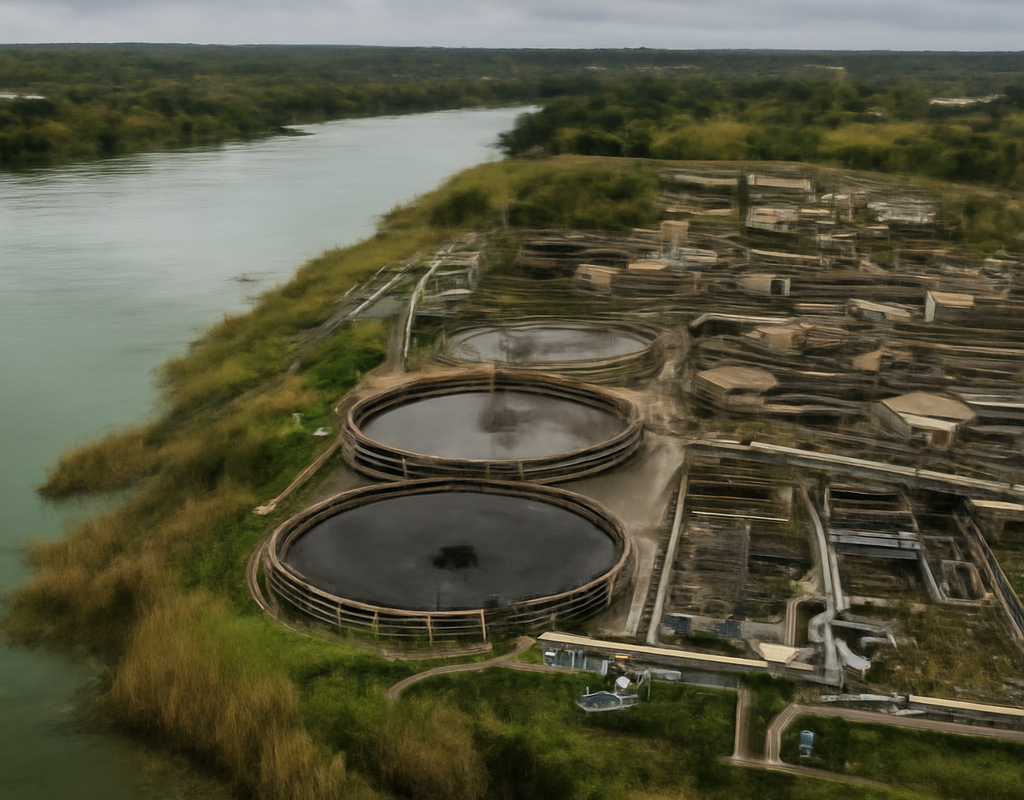
Ireland’s wastewater treatment system remains under serious environmental pressure, with the Environmental Protection Agency (EPA) warning that poor management of treatment plants operated by Uisce Éireann continues to damage water quality and public confidence. The latest EPA assessment highlights ongoing failures that can allow inadequately treated wastewater to enter rivers, lakes and coastal waters.
EPA wastewater warning puts Uisce Éireann management under scrutiny
The EPA’s findings underline the importance of reliable operation, maintenance and oversight at wastewater treatment plants across Ireland. Where facilities are poorly managed, treatment processes may not work as intended, increasing the risk of pollution and placing additional strain on already vulnerable waterways.
Wastewater treatment removes pollutants, organic matter and harmful microorganisms before treated effluent is discharged. However, effective infrastructure depends not only on investment in new facilities but also on competent day-to-day management, adequate staffing, timely repairs and accurate monitoring.
Environmental risks linked to treatment failures
Inadequate wastewater treatment can have several consequences, including:
- Reduced water quality in rivers, lakes and coastal areas
- Damage to aquatic habitats and biodiversity
- Increased nutrient pollution and algal growth
- Potential risks to bathing waters and recreational activities
- Greater pressure on Ireland’s efforts to meet water protection obligations
The EPA has a regulatory role in monitoring environmental performance and identifying failures that require corrective action. Its concerns also reinforce the need for transparent reporting and stronger accountability from the national water utility.
Why wastewater infrastructure matters for Ireland
Wastewater services are a core part of public health and environmental protection. The Health Service Executive (HSE) has a role in protecting public health, while the EPA oversees environmental regulation and water quality matters. Effective coordination between public bodies is essential when pollution incidents or treatment failures affect communities.
Local authorities, the Commission for Regulation of Utilities (CRU) and other State agencies also have an interest in ensuring that essential water services are properly planned, funded and managed. Long-term improvements require more than capital spending: operators must demonstrate that plants are functioning consistently and that known problems are addressed without delay.
Read more
What should happen next?
The EPA’s warning places renewed focus on practical action. Uisce Éireann must ensure that treatment plants are operated safely, maintenance schedules are followed and failures are reported and resolved. Communities also need clear information about pollution risks, remedial works and expected timelines.
Key priorities include:
- Improving operational management and plant maintenance
- Addressing recurring treatment and compliance failures
- Strengthening monitoring and public reporting
- Accelerating upgrades where existing infrastructure is inadequate
- Protecting sensitive waterways from avoidable discharges
The EPA’s assessment is a reminder that environmental regulation must be matched by effective implementation. Persistent shortcomings at wastewater facilities can undermine Ireland’s water quality targets and impose costs on households, businesses and ecosystems.
Explore more
Frequently asked questions
What is the EPA’s concern?
The EPA is concerned that poor management of wastewater treatment plants operated by Uisce Éireann continues to create environmental harm through inadequate treatment and pollution risks.
Why is wastewater treatment important?
It removes pollutants before wastewater is released into the environment, helping protect public health, aquatic life and bathing waters.
Who regulates environmental performance?
The EPA regulates and assesses environmental performance, while other bodies may have responsibilities relating to public health, utilities regulation and local services.
Ireland’s wastewater challenges cannot be solved through infrastructure investment alone. Consistent plant management, strong oversight and timely corrective action are essential. The EPA wastewater warning makes the takeaway clear: protecting Ireland’s rivers, lakes and seas requires Uisce Éireann to deliver reliable treatment every day.
Article/Image Courtesy: Environmental Protection Agency (EPA)