Six more children are now believed to have died at the former mother and baby home in Tuam, Co Galway, bringing the number of possible deaths at the institution to 802. The update follows the discovery of records indicating that the children may have died at the home despite having no official death certificates.
What the new Tuam records show
The Office of the Director of Authorised Intervention, Tuam (Odait), published the updated list on Tuesday. It includes the 796 children previously identified through death certificates, along with six additional names found in records from the institution.
Those records included admission and discharge documents, as well as maternity and baptismal records. Odait director Daniel MacSweeney said the material indicated that the six children may have died at Tuam and were therefore likely to have been buried at the site.
However, there was no official death certificate for any of the six. The new information means the number of sets of remains that may be buried at the former institution is not considered final. Odait has said the figure could change as further records are examined.
Forensic excavation at the former home
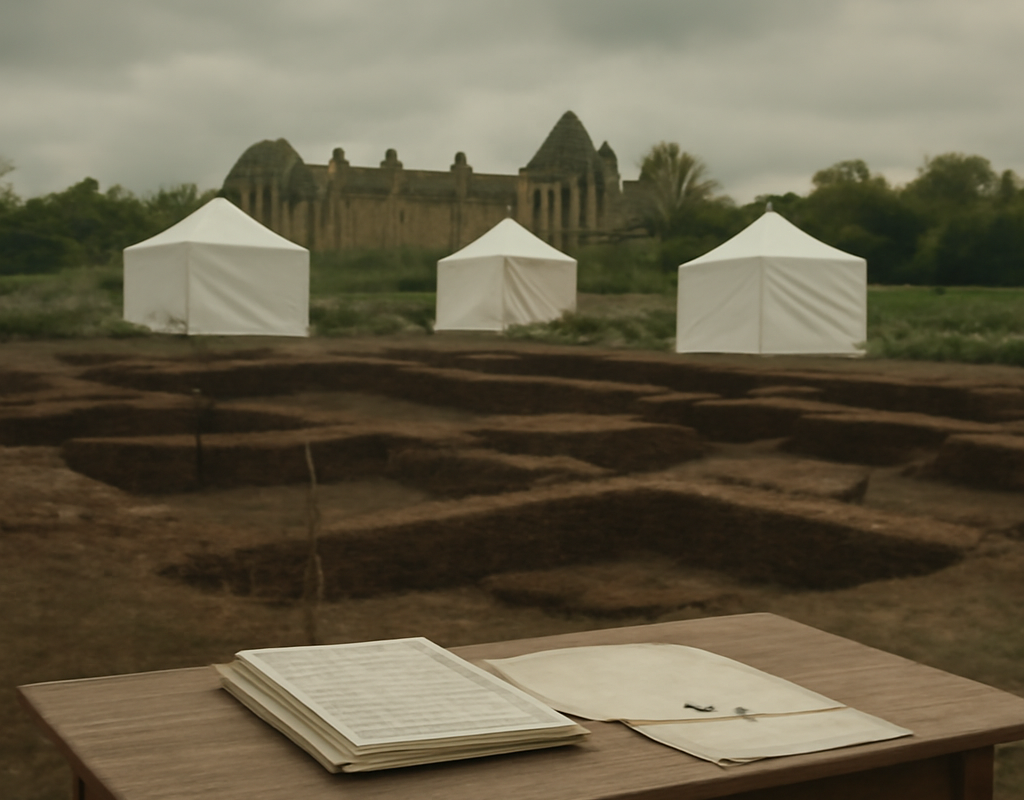
A forensic excavation of the site began in July 2025. The investigation was prompted by the work of local historian Catherine Corless, who identified 796 child deaths using death certificates and found that burial records did not account for the children.
To date, 109 sets of remains have been recovered. The excavation had initially been expected to take two years, but Mr MacSweeney said it was unlikely to be completed in 2026. He said it was difficult to predict precisely how long the work would continue.
The site presents unusual challenges for investigators. The remains being sought are largely those of infants, and the location is situated within a housing estate. Odait has assembled specialists from several countries to work on the excavation and identification process.
DNA testing and the search for identities
Families have been invited to provide DNA samples to help identify remains recovered from the site. Odait said 250 people had made contact about supplying samples, while 74 samples had been taken so far.
There is no confirmed timetable for the first identification. Mr MacSweeney said it was very likely that some remains would remain unidentified even after the project ends.
For families connected to the institution, the process may provide answers about relatives whose deaths and burial places were not properly documented. The work also seeks to establish identities while treating the recovered remains with care.
What will happen to unidentified remains?
Odait has said that remains which cannot be identified will be reburied respectfully and with dignity. A memorialisation process is expected to be developed in collaboration with affected families once the excavation and identification project has concluded.
The investigation is part of the continuing effort to address the legacy of mother and baby institutions in Ireland. The Tuam site has become a major focus because of the number of children believed to have died there and the uncertainty surrounding their burial arrangements.
Why the number may change again
The figure of 802 is based on records indicating that the children may have died at the institution. It should not be understood as a final count of recovered or positively identified remains.
Further archival research, forensic work and DNA analysis could alter the understanding of who died at the home and whether remains are present at the site. Odait has stressed that the investigation remains ongoing, and its findings may develop as more evidence becomes available.
The central aim, according to Mr MacSweeney, is to restore dignity in death and, where possible, provide each child with an identity. The discovery of six additional names highlights the importance of records beyond formal death certificates when examining the history of the Tuam institution.
The continuing significance of the Tuam investigation
The latest development underlines how incomplete official documentation can complicate the search for children who died in institutional care. It also shows why the excavation cannot be assessed solely by the number of remains recovered so far.
For relatives, the DNA programme offers a route towards possible identification. For investigators, the task involves combining historic records, archaeological evidence and forensic science over an extended period.
The Tuam mother and baby home investigation remains active, with the number of possible deaths, recovered remains and confirmed identities subject to further findings.
Key takeaway: Records have added six children to the list of those believed to have died at Tuam, bringing the possible total to 802, but the excavation and identification process is still ongoing.