

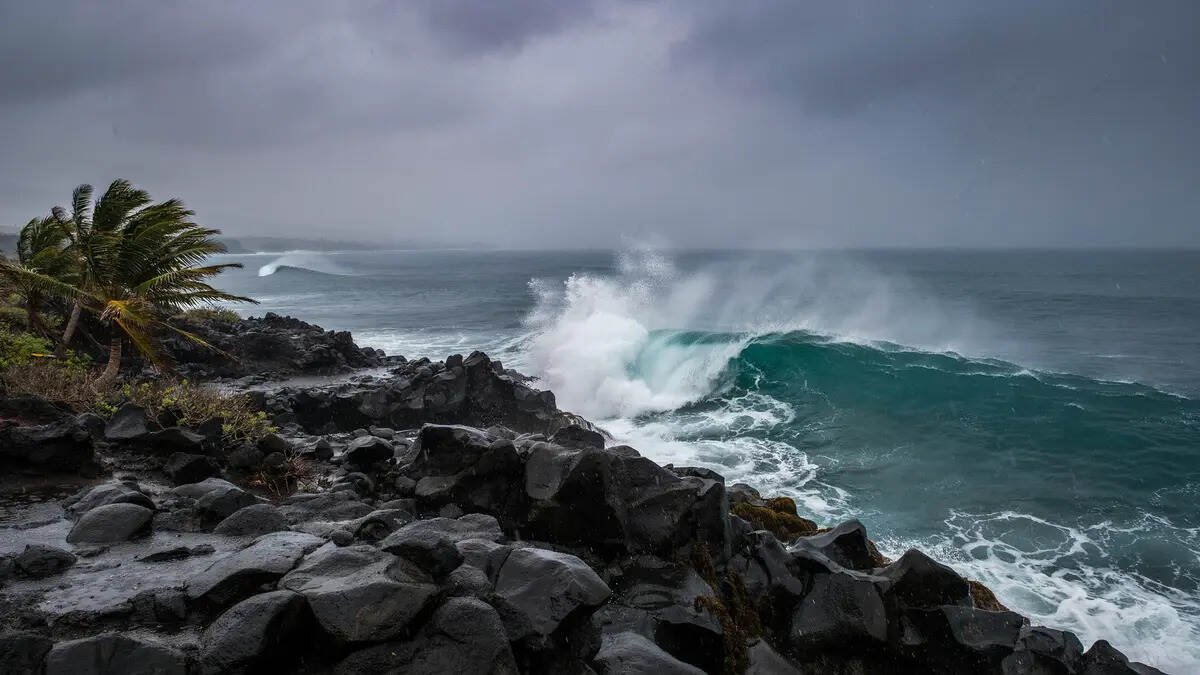
Storm Bruna has brought dangerous weather to the Canary Islands, with La Palma, Tenerife, Gran Canaria and other islands facing heavy rain, strong winds and hazardous coastal conditions. Spain’s meteorological agency AEMET has issued orange-level warnings in affected areas, while local authorities have closed natural attractions and advised residents and visitors to avoid unnecessary travel.
The disruption is especially important for tourists who planned hiking, sightseeing or water-based activities. Conditions can change quickly in the islands’ steep volcanic terrain, where intense rainfall may trigger flash floods, landslides and dangerous torrents in normally dry ravines.
Which Canary Islands are affected?
The storm is not affecting every island in exactly the same way, but authorities have introduced warnings and precautionary measures across the archipelago.
- La Palma: Heavy rain, strong winds and a heightened risk of flash flooding and landslides are affecting the island’s mountainous and western areas.
- Tenerife: Warnings cover areas including Santa Cruz and parts of the island’s southern and western tourist zones.
- Gran Canaria: Eastern, southern and western slopes, together with mountainous areas, face potentially difficult conditions.
- La Gomera and El Hierro: Heavy rainfall and wind may affect roads and isolated communities.
- Lanzarote, Fuerteventura and La Graciosa: These islands face lower rainfall totals in some areas but remain vulnerable to flooding, thunderstorms and coastal hazards.
Natural attractions and outdoor activities closed
Island authorities have restricted access to protected natural areas, hiking routes, forest tracks and mountain trails. Outdoor recreational areas, campsites and picnic sites have also been affected by closures or evacuation measures.
Visitors should not assume that a familiar attraction is safe simply because it is open on a booking platform or appears accessible on a map. Routes such as Tenerife’s Masca gorge and Barranco del Infierno have been specifically identified among the attractions affected by closures. Adventure activities, including canyoning, climbing and other organised outdoor sports, may also be suspended.
These restrictions are designed to protect both visitors and emergency responders. A rescue operation in a flooded ravine or on an exposed mountain route can place additional lives at risk.
Why the weather is particularly dangerous
Forecast rainfall of up to 100 litres per square metre over a 12-hour period creates a serious risk in steep terrain. Water can move rapidly through ravines and channels, carrying mud, rocks and debris. A dry-looking barranco may therefore become dangerous with little warning, even when rain is not falling directly overhead.
Winds of around 90 kilometres per hour or more may affect exposed ridges, roads and coastal locations. The Atlantic is also producing large waves, with rough seas making promenades, breakwaters, piers and natural pools unsafe.
What travellers in the Canary Islands should do
Visitors should follow instructions from the relevant Cabildo, local emergency services, accommodation provider and AEMET. The most important steps are:
- Avoid beaches, seafront promenades, breakwaters, piers and natural rock pools.
- Do not enter ravines, riverbeds, tunnels or areas prone to flooding.
- Postpone hiking, canyoning, climbing and other outdoor activities until authorities confirm that routes have reopened.
- Avoid non-essential journeys, particularly on mountainous or exposed roads.
- Never drive through floodwater or enter a flooded underground car park.
- Keep mobile phones charged and monitor local alerts and transport updates.
- Call 112 for urgent police, fire or medical assistance.
Could the disruption continue?
Although conditions may temporarily improve after the most severe warnings expire, saturated ground and unstable slopes can remain dangerous after rainfall eases. Further deterioration is possible if additional rain and wind arrive later in the week.
That means travellers should not treat a short spell of sunshine as confirmation that all activities are safe. Before leaving a hotel or resort, visitors should check whether roads, trails, beaches and attractions are officially open rather than relying on earlier plans.
Advice for travellers from Ireland and the UK
People travelling to the Canary Islands from Ireland or the UK should check their airline, airport and accommodation provider for operational updates. A weather warning does not automatically mean every flight is cancelled, but strong winds, flooding or airport restrictions can affect individual services.
Passengers should check the status of their booking directly with the airline before travelling to the airport. Those already on the islands should follow local instructions and avoid travelling to closed attractions. Travel insurance may provide cover for some weather-related losses, but eligibility depends on the policy terms and the circumstances of the disruption.
Latest position
Storm Bruna has shifted the focus in the Canary Islands from sightseeing to safety. With warnings, attraction closures and the possibility of further heavy weather, visitors should postpone outdoor plans, avoid exposed coastal and mountainous areas, and rely on official updates before making any journey.