

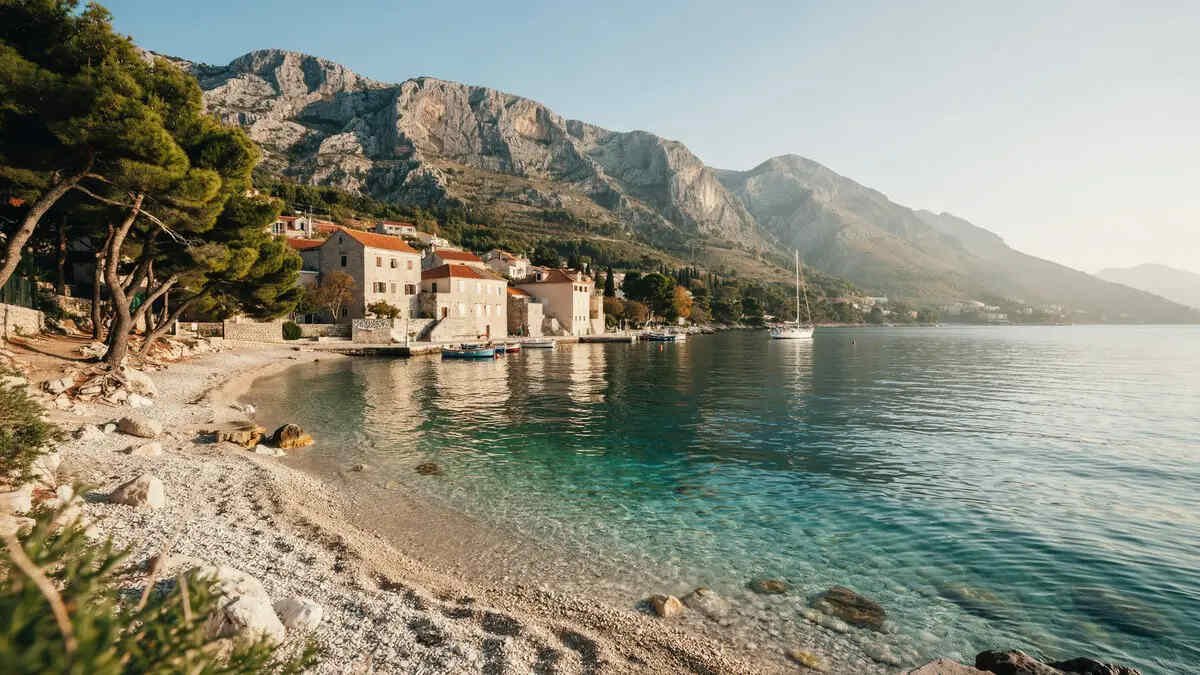
Standfirst: Central Dalmatia has recorded strong tourism demand led by visitors from Poland and Germany, but higher prices, summer congestion and competition from Albania, Greece and Turkey are reshaping Croatia’s holiday market.
Central Dalmatia remains one of Croatia’s most popular coastal regions, with Polish families playing a particularly important role in its tourism economy. The Makarska Riviera, Split and nearby Adriatic destinations continue to attract visitors travelling by car, staying in private apartments and seeking the flexibility of a self-catering holiday.
However, the region’s popularity is creating new challenges. Higher everyday costs, busy roads, limited parking and crowded beaches are making holidays more expensive and less convenient. At the same time, Mediterranean alternatives are targeting the same middle-income European travellers with lower prices, sandy beaches or all-inclusive packages.
Polish travellers remain central to Croatia’s tourism market
Visitors from Poland are among the most visible international groups along the Central Dalmatian coast. Many travel by car from cities including Kraków, Katowice and Wrocław, using road links through Slovakia, Hungary, Austria and Slovenia before joining Croatia’s motorway network.
Driving gives families greater control over their holiday budget and itinerary. They can bring sports equipment, beach items and food supplies, while avoiding the restrictions of airline baggage allowances. The arrangement also suits Central Dalmatia’s accommodation model, which is dominated by apartments, villas and independent guesthouses rather than large all-inclusive resorts.
Germany is another major source market, supported by demand for campsites, private villas and road trips along the Adriatic. Travellers from Bosnia and Herzegovina contribute regular regional demand, while British visitors often arrive through Split Airport for city breaks, island-hopping and cultural trips.
Tourists from the Czech Republic and domestic Croatian visitors also help maintain occupancy, particularly outside the busiest international summer period.
Why Central Dalmatia continues to attract families
The Makarska Riviera combines relatively straightforward road access with dramatic coastal scenery. Towns such as Brela, Baška Voda, Tučepi and Makarska sit between the Adriatic Sea and Mount Biokovo, offering beaches, boat trips, walking routes and access to nearby islands.
Private accommodation remains a major part of the appeal. Families can prepare meals, choose their own daily schedule and stay within smaller coastal communities rather than resort compounds. This flexibility has helped Central Dalmatia remain attractive to travellers who prefer independent holidays.
For many visitors, the region also offers a familiar European travel environment. The euro removes the need for currency exchange for travellers from much of the euro area, while established roads and tourism services make the destination relatively easy to navigate.
Higher prices and congestion are testing Croatia’s appeal
The same popularity that supports Central Dalmatia’s economy is placing pressure on its infrastructure. Traffic can become particularly difficult during July and August, when the Adriatic coastal road carries large volumes of holiday traffic and access to popular resorts is restricted by limited road capacity.
Parking in coastal towns can be scarce and costly. Beaches may also feel overcrowded during peak periods, while restaurants, boat trips, umbrellas and other everyday holiday expenses add to the total cost of a family break.
Croatia’s adoption of the euro in 2023 has also made price comparisons more immediate for visitors budgeting in other currencies. A private apartment is not automatically the cheapest option if food, parking and activities are added separately.
The expansion of short-term rentals has created another concern. In some coastal communities, the conversion of residential properties into holiday accommodation is contributing to pressure on local housing and raising questions about how tourism growth should be managed.
Albania, Greece and Turkey offer strong competition
Central Dalmatia is no longer competing only with other Croatian destinations. Travellers comparing Mediterranean holidays can find different value propositions elsewhere:
- Albanian Riviera: Often appeals to budget-conscious road-trippers seeking lower accommodation and dining costs.
- Halkidiki: Offers family-oriented resorts, softer sandy beaches in many areas and established apartment accommodation.
- Antalya: Attracts families who prefer all-inclusive pricing that covers meals, activities and childcare.
- Istria: Provides a shorter drive for some Central European visitors, along with campsites, gastronomy and developed resort facilities.
These alternatives do not offer the same landscape or holiday experience, but they give travellers more choice at a time when household budgets remain under pressure.
Central Dalmatia looks to gastronomy and inland tourism
Regional tourism planners are seeking to reduce reliance on crowded coastal resorts and the short July-to-August peak. Central Dalmatia’s designation as the European Region of Gastronomy 2027 is expected to support efforts to promote local food, rural areas and travel beyond the shoreline.
Proposed tourism themes include traditional peka cooking, black cuttlefish risotto, local olive oil and Dalmatian prosciutto. The revival of marenda, a traditional mid-morning meal, is also intended to highlight accessible local cuisine in independent restaurants.
Events and activities can help spread visitor spending into the hinterland and shoulder seasons. These include food and hospitality events, wine celebrations in Kaštela, rural craft programmes and outdoor activities around the Cetina River, including rafting, canyoning and trail running.
What the change means for future visitors
Central Dalmatia is still a strong option for travellers seeking scenery, independent accommodation and a road-trip holiday. But visitors should plan carefully, particularly when travelling in the busiest summer weeks.
- Compare the full cost of accommodation, meals, parking and activities rather than the room price alone.
- Book parking and popular excursions early where reservations are available.
- Consider travelling in late spring or early autumn to avoid the most intense congestion.
- Explore inland towns and food events as alternatives to spending every day on the busiest beaches.
- Check road conditions and local transport information before driving along the coast.
The region’s long-term success will depend on whether visitor numbers can be balanced with affordable housing, reliable infrastructure and a holiday experience that justifies rising prices. Polish visitors remain an important part of the market, but Central Dalmatia will need to offer more than sun and scenery as Mediterranean competition intensifies.
Conclusion
Central Dalmatia continues to benefit from strong demand, especially from Polish and other Central European families. Yet the latest Europe travel news from Croatia points to a more competitive future: higher prices, crowded infrastructure and alternative destinations are changing how visitors assess a Dalmatian holiday. By developing gastronomy, inland activities and shoulder-season travel, the region can protect its appeal while making tourism more sustainable for residents and visitors alike.