Prince Harry made a surprise visit to Ukraine at the weekend, meeting wounded soldiers, rehabilitation specialists and athletes preparing for next year’s Invictus Games. During events in Lviv, the Duke of Sussex told veterans and medics that they would “win the war” and promised continued international support for Ukraine.
Prince Harry’s Ukraine visit focused on wounded veterans
The visit took place on Saturday and Sunday in the western Ukrainian city of Lviv. It was kept secret until the events were under way because of security concerns. This was Harry’s fourth visit to Ukraine since Russia launched its full-scale invasion in 2022.
The British royal attended a conference for medical professionals organised by Superhumans, a Lviv-based clinic specialising in the rehabilitation of wounded soldiers. Speaking to attendees, including Ukraine’s Health Minister Viktor Liashko, Harry said: “You’re going to win the war and then you’re going to be set up for success.”
He also said that the international community would continue supporting Kyiv and expressed hope that the conflict would eventually end. His comments came as Russia continued attacks on Ukraine ahead of winter.
Invictus Games athletes prepare for Birmingham
A central part of the visit was Harry’s meeting with Ukrainian competitors hoping to represent their country at next year’s Invictus Games in Birmingham. The international sporting event supports wounded, injured and sick serving personnel and veterans through adaptive competition.
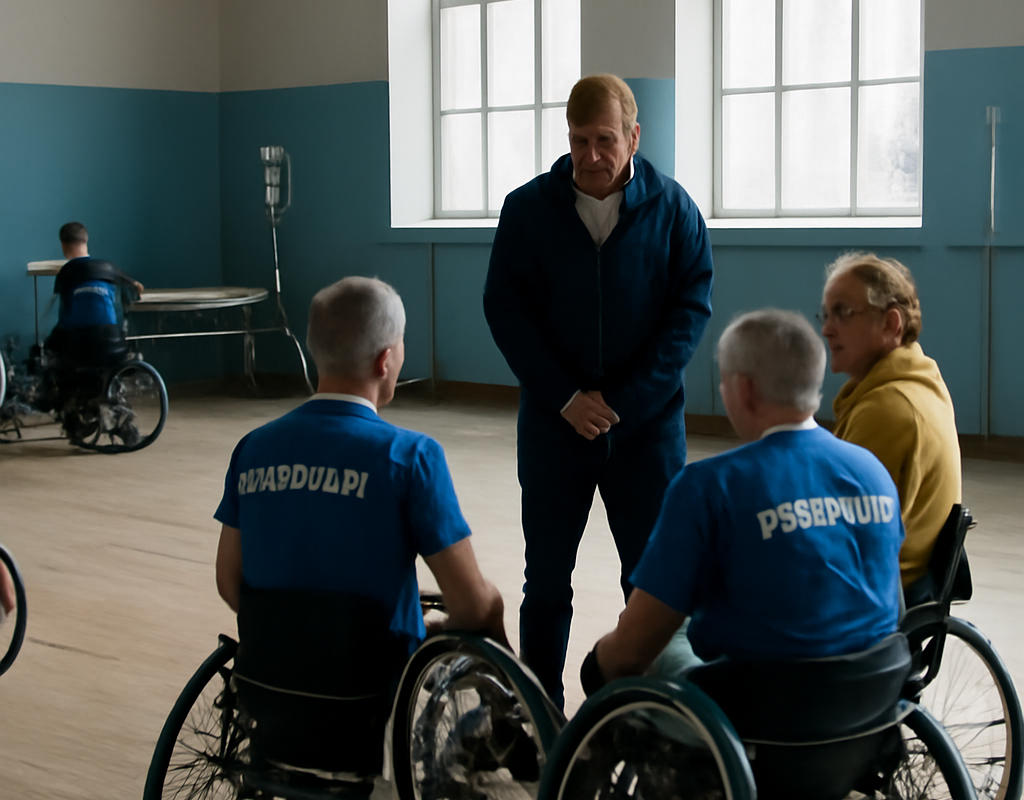
Ukraine is planning to send its largest-ever delegation to the games, with 60 competitors expected to take part. In a school sports hall in Lviv, Harry watched wheelchair rugby players compete for places on the national team.
The prince, who founded the Invictus Games in 2014 while serving in the British Army, also met Valeriy Odainyk, a former competitor at the 2025 games in Canada. Odainyk, who has an amputated leg, remains an active serviceman and spoke about the importance of adaptive sport in his recovery and military life.
Sport as part of rehabilitation
Among those attending the medical conference was Illia Pylypenko, a 33-year-old from Odesa. He suffered severe burns and lost a lung after the tank he was driving struck a mine.
Pylypenko said adaptive sport had helped him psychologically and given him a renewed sense of purpose. He hopes every wounded Ukrainian veteran will eventually have the opportunity to participate in similar events.
Harry described veterans as role models and argued that support should continue after military service ends. “We’ve invested in them before they put the uniform on, we must invest in them once the uniform comes off,” he said.
Harry promises support after the war
The prince told Ukrainian veterans that the Invictus movement would be ready to support the country in hosting its own games once the war ends. He also said that, in his view, Ukrainians had already demonstrated victory through their resilience.
“Every single person in Ukraine is playing their part in this war,” Harry said. “In my mind you’ve already won, I hope the war is going to come to an end.”
The comments reflect Harry’s long-standing focus on the experiences of service personnel and veterans. He has previously spoken about the impact of witnessing death and life-changing injuries during his deployment in Afghanistan.
The wider impact of the war in Ukraine
Russia’s full-scale invasion has killed and displaced large numbers of people and left many Ukrainians living with permanent injuries or amputations. Ukraine has around 1.4 million combat veterans, with more than one in 10 reported to have disabilities.
For Ukraine, rehabilitation is therefore both a medical and social challenge. Clinics such as Superhumans combine physical treatment with psychological care, while adaptive sport offers veterans a route back into community life and public participation.
Harry’s visit did not represent a government diplomatic mission, but it placed attention on the long-term needs of wounded personnel at a time when international focus remains centred on the battlefield and wider European security.
What Prince Harry’s visit means
Prince Harry’s Ukraine visit brought together medical rehabilitation, veterans’ welfare and the country’s preparations for the Invictus Games in Birmingham. His message was that support for Ukraine should not end when fighting stops: wounded soldiers will need lasting investment, opportunities and recognition during recovery and beyond.
The clearest takeaway from the weekend was that Ukraine’s veterans are being treated not only as casualties of war, but as athletes, leaders and participants in the country’s future.