John McGahern remembered in Dublin with new literary plaque
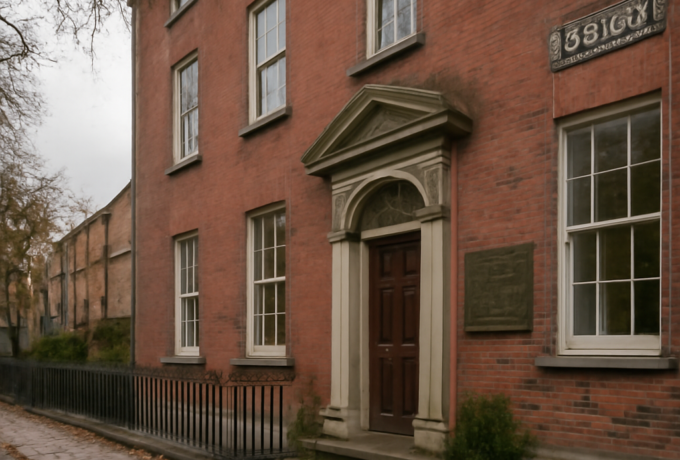
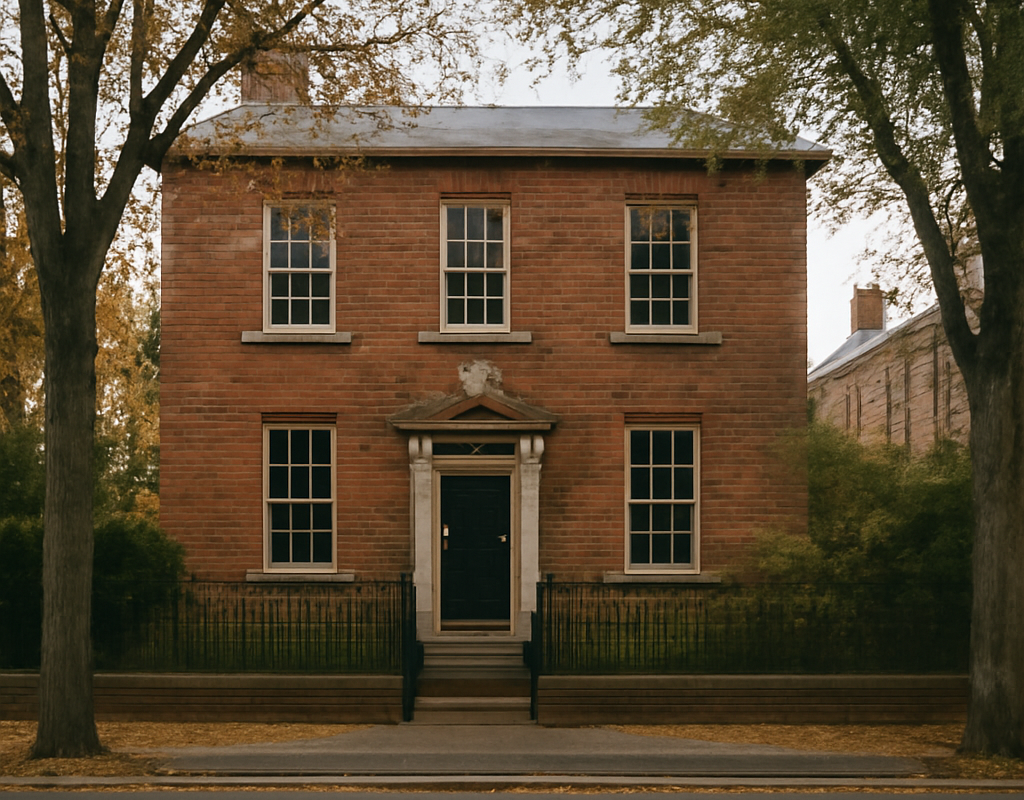
John McGahern has been honoured with a plaque at 57 Howth Road in Clontarf, Dublin, the house where he wrote two of his best-known novels. The unveiling marks the writer’s lasting connection to the capital, alongside the rural Leitrim and north Roscommon landscapes most often associated with his work.
The plaque was unveiled on Saturday morning by the Lord Mayor of Dublin, Cllr Daryl Barron. McGahern lived in an upstairs room at the house while writing The Barracks, published in 1963, and The Dark, published in 1965.
Why the Dublin address matters to McGahern’s story
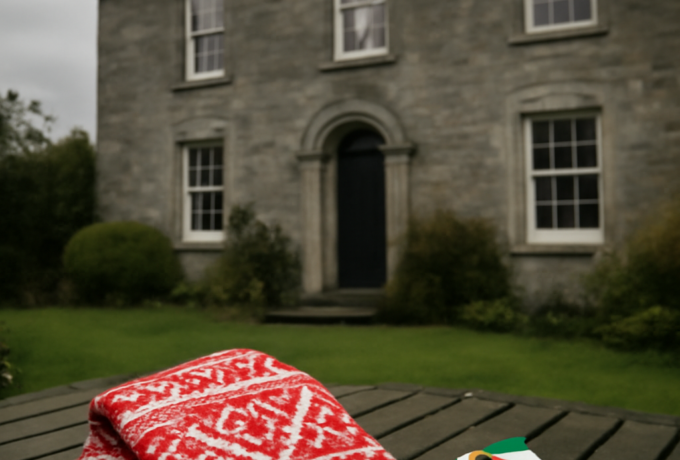
McGahern is widely recognised as one of Ireland’s major novelists and short-story writers. His fiction is strongly linked with rural Ireland, particularly the communities and landscapes of Leitrim and north Roscommon, where he spent his childhood.
However, 57 Howth Road was the setting for an important period in his early career. It was there that he wrote his first two novels and remained living when events surrounding The Dark transformed his professional life.
The novel was banned in 1965, and McGahern was later dismissed from his teaching position at Belgrove National School in Clontarf. The decision became one of the most significant controversies connected with his early career and shaped how his relationship with Irish institutions was remembered.
A plaque more than 20 years after his death
McGahern died in March 2006. Dublin City Council’s policy requires a minimum period of 20 years after a person’s death before a commemorative plaque can be erected in their honour. The timing therefore allowed the city to formally recognise the address two decades after his death.
The project was proposed by Frank Shovlin, professor of Irish literature in English at the University of Liverpool and author of John McGahern: A Writing Life. Shovlin contacted the current owners of the property, Una and Robert Mullins, to ask whether they would permit the plaque. They agreed to the proposal.
- The plaque is at 57 Howth Road, Clontarf.
- McGahern wrote The Barracks and The Dark at the address.
- The plaque was unveiled by Dublin’s Lord Mayor, Cllr Daryl Barron.
- The project was developed with the support of McGahern biographer Frank Shovlin and the property’s current owners.
McGahern’s themes remain relevant
Speaking at the unveiling, Lord Mayor Daryl Barron said McGahern’s themes remain present in modern society. His work examined difficult subjects including violence within the home, abuse of authority and failures to protect children.
Barron said literature can help society recognise realities before they are fully acknowledged publicly. That role has contributed to McGahern’s continued importance in Irish cultural life and education.
The commemoration also carries a local significance for Clontarf. Cllr Donna Cooney, chair of Dublin City Council’s commemorations and naming committee, said many local residents felt that the treatment McGahern received from the State had been wrong. She described the plaque as a modest way of addressing that historic injustice.
Frank Shovlin describes McGahern as a Dublin writer
Shovlin said the new plaque reflects McGahern’s identity as a Dublin writer as well as a writer connected to Leitrim and Roscommon. He has spent two decades editing McGahern’s letters and researching his life.
He also highlighted the importance of McGahern’s 1979 novel, The Pornographer, which is set entirely in Dublin. According to Shovlin, the narrator’s writing room in the novel is clearly based on the upstairs room at 57 Howth Road.
That connection adds another layer to the address. It was not simply a place where McGahern lived while beginning his career; it also became part of the imaginative geography of his fiction.
Who attended the unveiling?
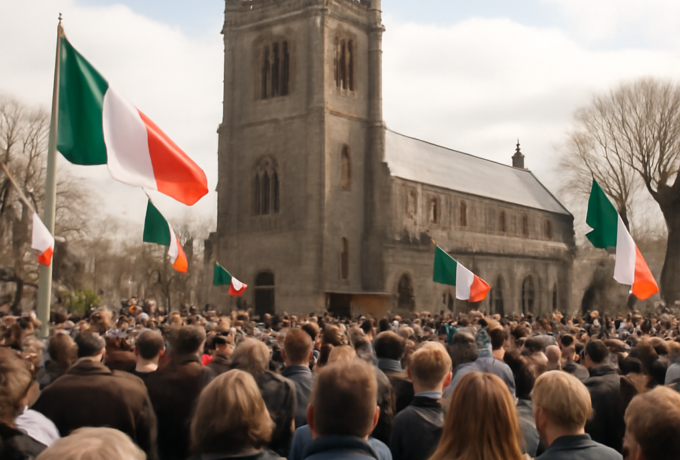
The ceremony brought together civic representatives, the property’s owners and McGahern’s biographer. Those present included:
- Lord Mayor of Dublin Cllr Daryl Barron
- Cllr Donna Cooney
- Cllr Deirdre Heney
- Una and Robert Mullins, the current owners of the house
- Frank Shovlin, McGahern’s biographer
What the plaque means for Ireland’s literary heritage
Literary plaques help connect major works with the physical places where they were created. In McGahern’s case, the Clontarf address provides a fuller picture of a writer whose public reputation has often focused on rural Ireland.
The commemoration also places the events surrounding The Dark within Dublin’s social and institutional history. Visitors can now identify the house where McGahern worked during a period that included both major literary achievement and serious professional consequences.
For readers exploring Ireland News and the latest cultural stories, the unveiling is a reminder that Dublin’s literary history extends beyond famous city-centre landmarks. Homes, schools and neighbourhood streets can also hold important chapters in the country’s cultural record.
Frequently asked questions
Where was John McGahern’s plaque unveiled?
The plaque was unveiled at 57 Howth Road in Clontarf, Dublin.
Which books did McGahern write there?
He wrote his first two novels, The Barracks and The Dark, while living at the address.
Why was McGahern dismissed from teaching?
He was dismissed from his position at Belgrove National School in Clontarf after the controversy surrounding the banning of The Dark in 1965.
Who organised the plaque project?
The idea came from Frank Shovlin, McGahern’s biographer, with permission from the current owners of the house.
Conclusion
The new plaque at 57 Howth Road gives Dublin a permanent marker for an essential part of John McGahern’s life and work. It recognises the home where he wrote two landmark novels, while acknowledging the difficult events that followed their publication. For readers following Breaking News Ireland and Ireland’s cultural heritage, the commemoration offers a timely reminder that McGahern’s legacy belongs to Dublin as much as it does to the rural communities that shaped his imagination.