Europe’s households are being asked to prepare for the possibility that emergency services may not be able to respond immediately during a major crisis. Under new EU crisis-preparedness guidance, the European Commission recommends that people keep enough essential supplies to manage independently for at least 72 hours.
The advice covers a wide range of potential emergencies, from floods and wildfires to prolonged power cuts, cyberattacks, infrastructure sabotage and armed conflict. It also raises a wider question for European communities: how much responsibility should sit with households, and how much must remain with public services?
What the EU crisis guidance recommends
The European Commission’s recommendations encourage families to make practical preparations before an emergency occurs. Suggested measures include creating an evacuation bag and agreeing a family communication or emergency plan.
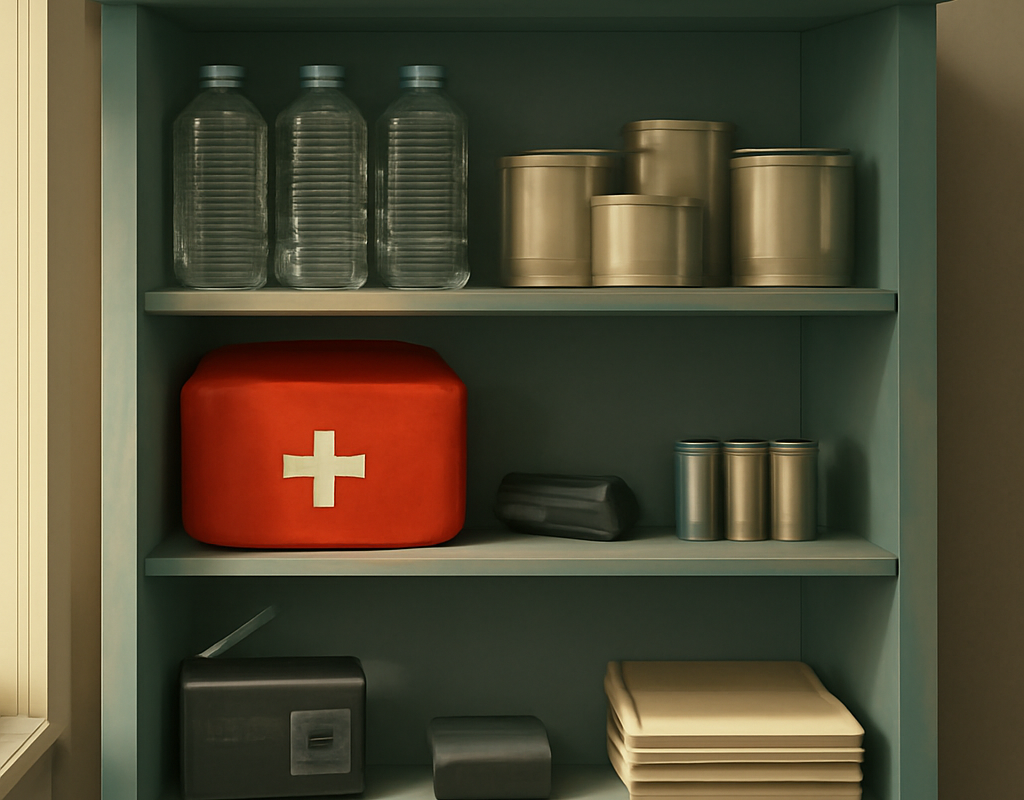
Households are also advised to consider keeping:
- Drinking water and non-perishable food
- Essential medicines and first-aid supplies
- Flashlights, spare batteries and a radio
- Power banks and other charging equipment
- Some cash in case electronic payments stop working
- Important identity and household documents
The aim is not to suggest that people should live permanently in crisis conditions. Instead, the guidance focuses on a short period during which normal services could be disrupted and emergency responders may need to prioritise life-threatening situations.
Why the first 72 hours matter
During a large flood, widespread blackout, cyberattack or serious security incident, emergency services could face more calls than they can handle at once. Roads may be blocked, telecommunications interrupted and transport networks affected.
Other basic systems could also be unavailable. Electricity, drinking water, heating and electronic payments may all become more difficult to access, leaving families reliant on whatever they have already stored at home.
The 72-hour period is therefore presented as a buffer. It gives households a limited degree of self-sufficiency while rescue teams and local authorities focus on the most urgent cases and work to restore essential infrastructure.
Risks identified across Europe
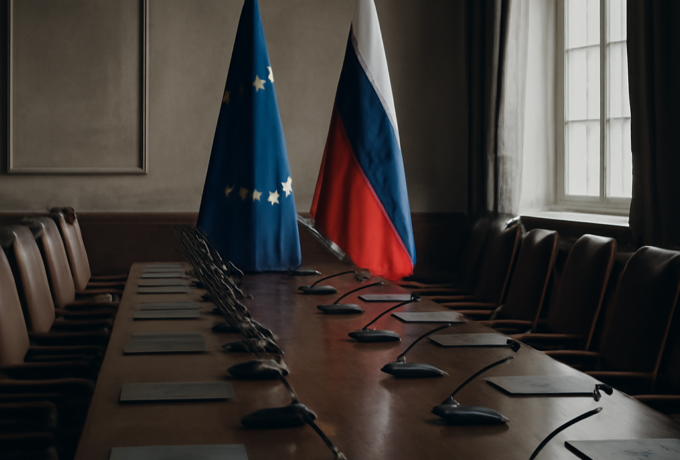
The European Union’s preparedness planning reflects a broader range of threats than traditional natural-disaster policy. The source guidance points to Russia’s war against Ukraine, possible attacks on critical infrastructure, cyber threats, disinformation and severe weather.
Floods, wildfires and major power outages can affect large numbers of people without warning. At the same time, digital dependence means that a cyberattack or telecommunications failure could disrupt services even where there has been no physical damage.
Part of the Preparedness Union Strategy
The household advice forms part of the EU Preparedness Union Strategy, launched in March 2025. The strategy seeks to move Europe towards anticipating and preparing for crises rather than relying mainly on a response after an emergency has begun.
Preparedness levels are not uniform across the EU. Several northern European countries already have established national systems that provide households with advice on emergency supplies and civil protection. Southern European countries are described as being further behind in this area.
That unevenness matters because emergencies rarely respect national borders. Extreme weather, infrastructure failures and security threats can affect several countries at once, while cross-border transport, communications and energy systems connect communities across Europe.
Does household preparation strengthen public safety?
Supporters of the approach argue that basic preparation can make communities more resilient. If families can manage without immediate assistance, emergency services may have greater capacity to help people facing serious injury, homelessness or medical danger.
However, asking households to prepare also raises concerns about fairness and public responsibility. Not every family has the same storage space, income, health or ability to buy supplies. People who rely on electricity-powered medical equipment, regular medication or accessible transport may need specific support that a general checklist cannot provide.
Household readiness should therefore complement—not replace—reliable public services, clear warnings, functioning shelters and effective emergency planning. The guidance is most useful when individuals, local authorities and national governments understand their respective roles.
What European households can take from the advice
The recommendations offer a straightforward starting point for emergency planning:
- Identify the supplies needed by everyone in the household, including medicines.
- Choose a safe place to store water, food, lighting and documents.
- Agree how family members will contact one another if networks fail.
- Keep an evacuation bag ready if leaving home becomes necessary.
- Review the plan periodically and replace expired items.
The European Commission’s guidance does not predict that a particular crisis will occur. It reflects the view that floods, fires, cyber incidents, conflict-related disruption and infrastructure failures are risks for which communities should be better prepared.
The wider debate over EU preparedness
The advice is likely to feed into the broader discussion about Europe’s resilience and the balance between individual readiness and state protection. The EU is encouraging citizens to take practical steps, but the effectiveness of that approach will depend on whether public authorities can provide consistent information and support across different countries.
For households, the immediate message is simple: keeping basic supplies and an emergency plan may help bridge the first three days of a serious disruption. For governments, the challenge is ensuring that preparedness does not become a substitute for strong emergency services and resilient infrastructure.
The central takeaway from the latest EU crisis guidance is that household preparation can buy valuable time, but it must remain part of a wider public safety system.