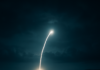
North Korea’s recent ballistic missile launches and increasingly firm nuclear rhetoric are adding to security tensions in East Asia, with possible consequences for regional stability and Europe’s foreign-policy debate. South Korean authorities have described several launches as suspected or confirmed ballistic-missile tests, while Pyongyang continues to present its nuclear programme as irreversible.
The developments are not an EU decision or a European event. However, they matter beyond the Korean Peninsula because North Korea’s military ties with Russia, its relationship with China and its criticism of Japan’s defence expansion are connected to wider questions about sanctions, nuclear proliferation and international security.
What has happened in North Korea?
According to the source material, North Korea carried out a series of missile launches during 2026, including tests directed towards the East Sea and the Yellow Sea. South Korea’s military reported launches described as ballistic missiles or suspected ballistic missiles.
The tests followed repeated statements from Pyongyang that it intends to maintain and strengthen its nuclear capabilities. North Korean leaders have described the country’s nuclear status as irreversible and have signalled plans to develop its armed forces in both technological and numerical terms.
The reported activity includes:
- Ballistic-missile launches into waters surrounding the Korean Peninsula.
- Statements supporting the expansion of North Korea’s nuclear force.
- Plans to modernise naval bases and military systems.
- Warnings directed at Japan over its defence and rearmament policies.
- A continued deterioration in relations between North Korea and South Korea.
Why North Korea’s nuclear policy matters
North Korea’s nuclear position has remained a central obstacle to diplomatic progress. The country has repeatedly rejected the idea of giving up its nuclear arsenal, while negotiations with the United States have remained unresolved since the collapse of the 2019 summit process between Kim Jong-un and then-US President Donald Trump.
That stance creates several challenges for the international community. Missile tests can increase the risk of miscalculation, while nuclear declarations make future arms-control negotiations more difficult. They also raise concerns about the enforcement of international restrictions designed to prevent the development and spread of nuclear weapons technology.
Pyongyang’s statements about its nuclear capabilities should be distinguished from independently verified assessments of its military capacity. Official claims made by North Korean state media are part of the country’s broader political and military messaging.
Relations with South Korea and Japan
Relations between North and South Korea have deteriorated sharply. The source material describes Pyongyang as rejecting South Korean efforts to restore dialogue and increasingly referring to Seoul as a hostile adversary. North Korea has also reportedly removed or reduced references to unification in its constitutional language.
Japan has become another focus of North Korean criticism. Tokyo has increased defence spending, strengthened security partnerships and deployed missile systems to some outlying islands. North Korea portrays those measures as evidence of a military threat, while Japan presents its defence policy as a response to a more challenging regional security environment.
This cycle of military signalling has implications for the United States’ alliances with South Korea and Japan. It also affects discussions about deterrence, missile defence and the wider balance of power in the Indo-Pacific.
North Korea’s links with Russia and China
North Korea’s external relationships have also gained greater significance since Russia launched its full-scale invasion of Ukraine in 2022. The source material describes growing political, economic and military links between Moscow and Pyongyang, alongside continued Chinese economic and diplomatic support for North Korea.
Reports that North Korean families received new housing after soldiers were killed fighting for Russia demonstrate how the relationship has become part of Pyongyang’s domestic propaganda. The source material also refers to closer transport and infrastructure links between Russia and North Korea.
China remains an important economic partner for North Korea, while its relationship with Russia has become more prominent. The combination of these ties has raised questions about sanctions enforcement and the ability of international actors to limit military cooperation involving states already subject to extensive restrictions.
What does this mean for Europe?
North Korea is not directly covered by European Union security policy in the same way as EU member states or neighbouring regions. Nevertheless, the issue appears in wider European foreign-policy and defence discussions.
European governments have an interest in maintaining the global non-proliferation system and supporting United Nations sanctions where applicable. North Korean cooperation with Russia is particularly relevant because European countries are already focused on the wider consequences of the war in Ukraine, including weapons transfers, sanctions evasion and growing military partnerships.
The developments may therefore influence:
- EU discussions on non-proliferation and international sanctions.
- European assessments of Russia’s global security partnerships.
- Cooperation between European countries and the United States on Indo-Pacific security.
- Debates about defence spending, strategic resilience and supply-chain security.
- Diplomatic efforts to prevent the spread of nuclear and missile technology.
Is there an immediate threat to Europe?
The reported launches were directed towards waters around the Korean Peninsula, not Europe. The source material does not indicate an immediate military threat to European territory.
However, security risks can have indirect effects. A crisis in East Asia could place additional pressure on global diplomacy, complicate coordination between the United States and its allies, and deepen cooperation between governments that oppose Western sanctions. European states may also face calls to strengthen monitoring of illicit financial, shipping or technology networks connected to prohibited military programmes.
What happens next?
The next stage is likely to involve continued monitoring by South Korean, US and Japanese authorities, alongside diplomatic assessments by other governments. Further missile tests or new announcements about nuclear weapons, naval development or military cooperation could increase regional tensions.
For Europe, the key issues will be whether North Korea’s relationship with Russia develops further, whether sanctions remain enforceable and whether diplomatic channels can be reopened. Any future change in North Korea’s nuclear policy would require clear official confirmation rather than relying on state-media statements or speculation.
Conclusion
North Korea’s missile launches and nuclear declarations are primarily an East Asian security issue, but their wider links to Russia, China, sanctions and nuclear non-proliferation give them significance for European foreign policy. The immediate focus remains on verification, restraint and diplomatic communication as governments assess whether Pyongyang’s military activity represents a temporary escalation or part of a longer-term expansion of its capabilities.