




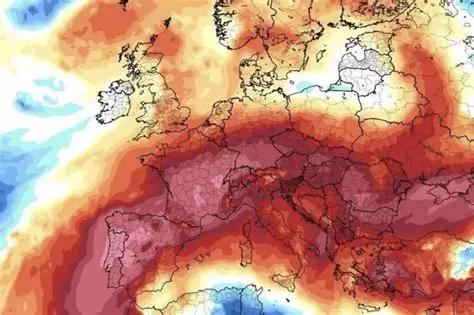
Large parts of Europe are facing another period of dangerous weather as an extreme heat warning remains in force across several popular holiday destinations.
Temperatures exceeding 40°C have been recorded or forecast in parts of Spain, Portugal, France and southern Europe, while unusually warm conditions are also spreading towards northern and eastern regions. The intense heat is increasing concerns about public health, wildfires, water supplies, transport disruption and the safety of tourists travelling during the peak summer season.
The World Meteorological Organization has described the current spell as an extraordinary European heatwave that has broken temperature records and affected health, agriculture, infrastructure and labour productivity. Hot and dry conditions have also increased the possibility of wildfires, drought and severe local thunderstorms.
Europe Heatwave 2026: Which Countries Are Most Affected?
The latest Europe heatwave warning is affecting a wide area, although temperatures and weather alerts differ between countries.
Spain
Spain is among the countries experiencing the most intense conditions. Weather warnings have been issued across several regions, with temperatures of between 42°C and 44°C forecast in some inland and south-western areas.
River valleys and densely populated cities may feel particularly uncomfortable because buildings and paved surfaces retain heat long after sunset. Warm overnight temperatures, often described as tropical nights, can prevent the body from recovering from daytime heat.
Orange weather alerts have been issued across large parts of Spain during the countryâs second significant heatwave of summer 2026.
Holidaymakers visiting Madrid, Seville, Málaga, Valencia, Alicante and other popular destinations should check local warnings before travelling or spending extended periods outdoors.
Portugal
Parts of Portugal have also experienced temperatures above 40°C, with some forecasts indicating highs of approximately 43°C.
Lisbon, the Algarve and inland districts can experience very different conditions, so visitors should not rely on a single national temperature forecast. Inland areas are often substantially hotter than coastal resorts.
The combination of high temperatures, dry vegetation and wind can also increase the risk of fast-moving wildfires.
France
France has faced severe heat during the latest European hot weather episode, with conditions affecting homes, workplaces, public events and major sporting competitions.
Tour de France riders have prepared for temperatures of approximately 41°C around Carcassonne. Teams have introduced cooling measures such as ice vests, cold drinks and additional hydration support because of the physical risks created by racing in extreme temperatures.
Wildfires have created further disruption in southern France. One major fire led organisers to restrict spectators from part of a Tour de France stage as firefighters worked to control the blaze.
Italy and Greece
Italy and Greece remain vulnerable to extreme summer temperatures, particularly in major cities and southern regions.
Rome, Florence, Milan, Athens and several Mediterranean islands can experience dangerous daytime temperatures combined with limited overnight cooling. Authorities may restrict access to parks, archaeological sites or outdoor attractions when the heat becomes unsafe.
Greece has also been dealing with numerous wildfires, including serious incidents near Athens requiring large numbers of firefighters and firefighting aircraft.
United Kingdom and Ireland
The heat is not limited to Mediterranean Europe.
Parts of England and Wales could experience another significant period of hot weather, with temperatures potentially reaching around 35°C in southern areas. Scotland and Northern Ireland may also experience unusually warm conditions, although temperatures will generally remain lower than those recorded in southern Europe.
Ireland is expected to experience a prolonged period of warm or hot weather, with daytime temperatures potentially reaching the high 20s or low 30s in some locations. High or very high UV levels, humid nights, water safety concerns and a growing risk of fires could accompany the warmer conditions.
Why Is Europe Experiencing Such Extreme Heat?
The immediate weather pattern may be influenced by persistent high pressure, dry ground and the movement of very warm air from North Africa and the Mediterranean region.
When an area of high pressure remains in place, it can suppress cloud formation and rainfall. The ground then becomes progressively warmer and drier, allowing temperatures to rise further.
This type of persistent pattern is sometimes described as a heat dome, although the exact meteorological conditions can differ between events.
Long-term climate change is also increasing the likelihood and intensity of extreme heat. Europe has been identified as one of the fastest-warming regions in the world, making longer, hotter and more disruptive heatwaves an increasingly serious concern.
What Does a Red Heat Warning Mean?
Weather warning systems vary between European countries, but alerts are commonly presented using yellow, orange and red categories.
A yellow heat warning generally means that people should remain aware of potentially dangerous conditions.
An orange heat warning indicates a greater likelihood of serious health effects, disruption and pressure on public services.
A red heat warning represents exceptionally dangerous conditions that may affect healthy people as well as vulnerable groups. During a red warning, people may be advised to change travel plans, avoid strenuous outdoor activity and follow instructions issued by emergency services.
Travellers should remember that one countryâs warning thresholds may differ from those used elsewhere. A red alert in France may not be based on exactly the same temperature or health criteria as a red alert in Spain or Italy.
Health Risks During an Extreme Heatwave
Extreme heat is not simply uncomfortable. It can become a medical emergency.
The World Health Organization warns that hot weather can cause heat exhaustion and heatstroke while worsening cardiovascular, respiratory, kidney and other existing health conditions. Older people, babies, pregnant women, outdoor workers and those living with chronic illnesses may face a higher risk.
Common symptoms of heat exhaustion can include:
- Heavy sweating
- Headaches
- Dizziness or weakness
- Muscle cramps
- Nausea
- Intense thirst
- A rapid heartbeat
- Confusion or difficulty concentrating
Heatstroke is more serious and requires urgent medical assistance. Warning signs can include confusion, fainting, seizures, very high body temperature and hot skin that may be dry or still sweating.
Anyone showing signs of severe heat illness should be moved to a cooler location while emergency medical help is requested.
How to Stay Safe During the Europe Heatwave
People living in or travelling through affected areas should take the warnings seriously.
Avoid the hottest part of the day
Limit strenuous outdoor activity during the afternoon, when temperatures and UV levels are usually highest. Sightseeing, running and outdoor work should be planned for the morning or evening where possible.
Drink water regularly
Do not wait until you feel extremely thirsty. Carry water when travelling and drink regularly throughout the day.
Excessive alcohol can contribute to dehydration and may make it more difficult to recognise the early symptoms of heat illness.
Keep homes and hotel rooms cool
Close curtains, blinds and shutters during the hottest part of the day. Open windows later when outdoor temperatures become cooler, provided it is safe to do so.
Fans can help circulate air, but they may not provide enough protection during exceptionally high temperatures.
Wear suitable clothing
Loose, lightweight clothing can help the body release heat. A hat, sunglasses and high-SPF sunscreen should be used when spending time outside.
Sunscreen must be reapplied regularly, particularly after swimming or heavy sweating.
Check on vulnerable people
Older relatives, neighbours and people living alone may need help obtaining water, medicines or access to a cooler location.
The effects of heat can build gradually, meaning a person may become unwell without immediately recognising the seriousness of their condition.
Never leave anyone inside a parked vehicle
Children, older adults and animals should never be left inside a parked car, even for a short period. The temperature inside a vehicle can rise rapidly and become fatal.
Europe Travel Warning for Holidaymakers
The heatwave arrives during one of Europeâs busiest travel periods.
People travelling to Spain, Portugal, France, Italy, Greece or other affected destinations should prepare for possible changes to their plans.
Extreme heat can result in:
- Flight or rail disruption
- Speed restrictions on railway lines
- Road closures caused by wildfires
- Cancellation of outdoor events
- Temporary closure of tourist attractions
- Restrictions in national parks and forested areas
- Increased pressure on hospitals and emergency services
- Power cuts or interruptions to water supplies
Travel insurance documents, medicines, identification and emergency contact details should be kept easily accessible.
Visitors should also activate local emergency alerts on their phones and check the official weather warning service for the country they are visiting.
Wildfire Risk Increases Across Southern Europe
One of the greatest dangers accompanying the heatwave is the risk of wildfires.
Dry grass, forests and vegetation can ignite easily during prolonged periods of heat. Strong winds can then cause a relatively small fire to spread over a wide area within minutes.
Tourists should avoid lighting barbecues or campfires in restricted areas and must not discard cigarettes, matches or glass bottles outdoors.
Anyone staying close to a forested or rural area should identify possible evacuation routes and follow local emergency instructions immediately. Waiting until flames are visible may leave too little time to leave safely.
Can Extreme Heat Affect Flights and Trains?
Yes. Very high temperatures can affect several parts of Europeâs transport network.
Railway tracks may expand or buckle during extreme heat, leading operators to introduce temporary speed restrictions. Electrical equipment and signalling systems can also become less reliable.
Aircraft performance can be affected by hot air because warmer air is less dense. In exceptional circumstances, airlines may adjust departure times, passenger numbers, luggage loads or fuel arrangements.
Road surfaces can soften, while vehicle engines, tyres and cooling systems are placed under additional pressure.
Passengers should check their journey before leaving and carry additional drinking water where permitted.
How Long Will the European Heatwave Last?
The duration will vary by location.
Some areas may receive temporary relief from cooler Atlantic air or thunderstorms, while parts of southern and eastern Europe could remain exceptionally hot for longer.
Forecasts beyond several days can change, particularly when thunderstorms and shifting pressure systems are involved. People should therefore rely on regularly updated warnings rather than a single long-range prediction.
Meteoalarm provides warning information gathered from national weather services across 38 European countries, while individual national meteorological agencies provide more detailed local forecasts.
Are Heatwaves Becoming More Common in Europe?
Europe has experienced repeated episodes of record-breaking heat in recent years.
The European State of the Climate report found that July 2025 included Europeâs second-most severe heatwave on record at that time, lasting 25 days and affecting a large part of the continent. Temperatures reached 50.5°C in Türkiye and 44.7°C in Cyprus during that summer.
Rising average temperatures do not mean that every summer day will be hot. However, they increase the background conditions in which exceptionally severe heatwaves can develop.
The effects extend beyond human health. Extreme heat can damage crops, reduce water availability, affect wildlife, increase electricity demand and place pressure on hospitals, transport systems and emergency services.
What Happens Next?
Weather agencies will continue to update heat alerts as conditions change across the continent.
For millions of residents and holidaymakers, the immediate priority is to remain hydrated, reduce exposure to direct sunlight and check on anyone who may be especially vulnerable.
The latest extreme heat warning in Europe is another reminder that summer weather can shift quickly from enjoyable sunshine to potentially dangerous conditions.
People should follow local instructions, reconsider unnecessary activity during the hottest hours and never underestimate symptoms of heat exhaustion or heatstroke.
Frequently Asked Questions
Is there an extreme heat warning in Europe?
Heat warnings have been issued across several European countries, with particularly severe conditions affecting parts of Spain, Portugal, France, Italy and Greece. Warning levels vary by region and can change daily.
Which European country is hottest right now?
Parts of Spain and Portugal are among the hottest areas during the current heatwave, with temperatures above 40°C in some locations. Local temperatures vary significantly, particularly between coastal and inland areas.
Is it safe to travel to Europe during the heatwave?
Most destinations remain open, but travellers may need to change outdoor plans and take additional health precautions. Wildfires, transport disruption and attraction closures are possible in the most severely affected areas.
What temperature is considered dangerous?
There is no single dangerous temperature for everyone. Humidity, overnight temperatures, age, health, medication, activity and access to cooling all influence risk. Prolonged exposure to temperatures above 30°C can be dangerous, particularly for vulnerable people.
What are the symptoms of heatstroke?
Symptoms can include confusion, fainting, seizures, a very high body temperature, severe weakness and altered behaviour. Heatstroke is a medical emergency and requires urgent assistance.
When will the Europe heatwave end?
Conditions will improve at different times across Europe. Some locations may receive temporary relief from cooler air or storms, while southern regions could remain hot for longer. Travellers should check daily local forecasts.