




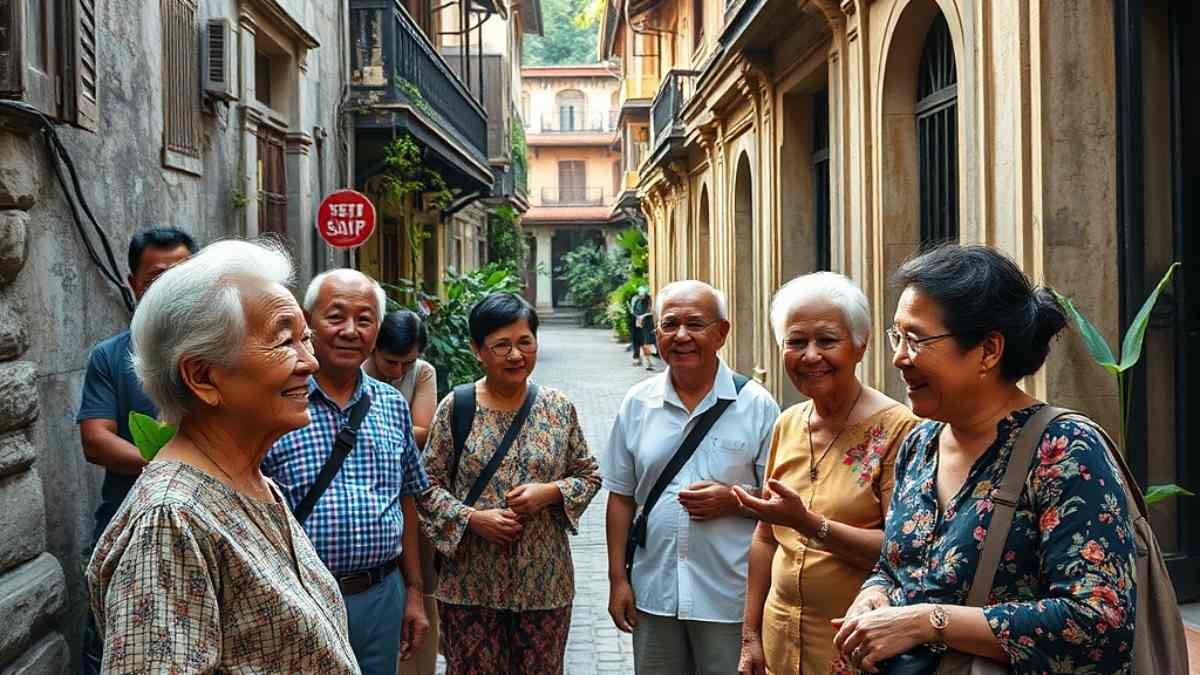
Vigan City tourism is entering a fresh phase as the historic Philippine destination trains senior citizens to serve as community guides and heritage ambassadors. The move is more than a tourism programme—it is a practical strategy to meet rising visitor demand while protecting the living traditions that make Vigan one of Southeast Asia’s most distinctive cultural destinations.
Launched through a partnership between the Department of Tourism and the National Commission on Senior Citizens in the Ilocos Region, the weeklong training in Vigan City began on July 6 with 31 senior participants. The initiative aims to equip them with guiding skills, customer service techniques, first-aid knowledge, and a deeper framework for presenting Vigan’s history, customs, and attractions to both domestic and international visitors.
Vigan City Tourism Builds on Heritage and Community
As a UNESCO World Heritage Site, Vigan has long been known for its cobbled streets, preserved colonial-era architecture, and strong local identity. But the latest development in Vigan City tourism goes beyond sightseeing. It brings local residents—particularly older citizens with deep roots in the community—into the centre of the visitor experience.
This matters because modern travellers increasingly seek authentic, story-led tourism rather than generic tours. Senior citizens can offer something guidebooks cannot: lived experience. Their personal memories, understanding of community traditions, and connection to local heritage can help visitors appreciate Vigan in a more meaningful way.
- They can explain local customs with context
- They can share first-hand stories about Vigan’s evolution
- They can help preserve oral history through tourism
- They can strengthen community participation in the local economy
The programme also reflects a wider trend in sustainable tourism, where destinations aim to spread the benefits of travel more directly across the community.
Why More Guides Are Needed in Ilocos Sur
The timing of the initiative is significant. Tourism demand in Ilocos Sur is growing, and Vigan City tourism is under pressure to expand service capacity. One major driver is the rise in cruise arrivals through Salomague Port in Cabugao, which brings larger groups into the province for shore excursions and heritage visits.
According to the provincial tourism office, Ilocos Sur currently has 20 accredited tour guides, including 15 from Vigan City. That number is relatively limited when cruise arrivals can generate 12 to 14 bus groups at a time, each requiring a guide for transportation support and on-site interpretation.
Training senior citizens as house guides and community guides could therefore help fill a practical gap while also enhancing the quality of the visitor experience. It is a workforce solution, but also a cultural one.
Read More
Discover Ireland heritage travel news | Best Ireland tourism and culture updates
What the Community Guiding Training Includes
The training programme is structured to prepare participants for professional tourism responsibilities, not merely informal storytelling. This gives the initiative credibility and helps build trust among tour operators, hotels, and travel organisers.
Participants are being trained in:
- Service excellence and Filipino hospitality branding
- Visitor communication and engagement
- Complaint handling procedures
- Vigan City history and cultural interpretation
- Environmental laws and tourism policies
- First aid and emergency response
- Tour itinerary preparation
- Practical tour-guiding methods
This blend of technical and cultural instruction is essential for the future of Vigan City tourism. Travellers expect guides who are welcoming, informed, and capable of managing real-world situations, especially in high-volume destinations.
How Senior Citizens Add Value to the Visitor Experience
One of the most compelling aspects of this programme is the role older residents can play in heritage interpretation. In many destinations, tourism focuses heavily on monuments and attractions. In Vigan, the people themselves are becoming part of the attraction—not as a spectacle, but as custodians of place-based knowledge.
That creates several benefits:
- Authenticity: Visitors hear stories rooted in real local experience.
- Preservation: Oral traditions and community narratives remain active.
- Inclusion: Older citizens gain meaningful roles in public life and tourism.
- Economic support: The programme may create supplementary income opportunities.
Supported by the Office of the Senior Citizens Affairs and local authorities, the training also aligns with inclusive development goals. It recognises that older residents are not just beneficiaries of policy—they can be active contributors to the future of Vigan City tourism.
Explore More
Luxury Ireland travel inspiration and cultural escapes | Ireland long stay travel and destination features
Accreditation and What Happens Next
The programme is scheduled to conclude with a written examination and a mock tour on July 12. These assessments are designed to measure knowledge, communication ability, and practical readiness. Successful participants are expected to become accredited guides linked with tourism stakeholders, local government partners, hotels, and organisations across the city.
That accreditation step is important for Vigan City tourism because it gives visitors greater confidence in service quality. It also creates a clearer pathway for integrating trained community guides into official tourism operations.
Mayor Randy Singson has backed the initiative, underscoring its dual value: heritage preservation and livelihood opportunity. In that sense, Vigan is using tourism not simply to attract more people, but to shape a more resilient and community-led destination model.
What This Means for Global Travellers
For international and domestic visitors, the programme could make trips to Vigan richer and more personal. Instead of a standard historical summary, travellers may soon be guided by residents whose lives are intertwined with the city’s traditions, architecture, and evolving identity.
That helps position Vigan City tourism as a standout example of community-based heritage travel in Asia. It also shows how destinations can respond to growth without losing their character. By investing in people, not just infrastructure, Vigan is strengthening its long-term appeal.
In the months ahead, the success of this model may influence other heritage destinations looking to balance visitor growth, cultural preservation, and inclusive local participation. For now, Vigan’s message is clear: the future of tourism can be guided by the wisdom of the community itself.
Conclusion: Vigan City tourism is proving that heritage protection and visitor growth do not have to compete. By training senior citizens as accredited community guides, the city is creating a more authentic, inclusive, and sustainable travel experience—one where culture is not only displayed, but actively shared by those who know it best.
FAQs
Why is Vigan City training senior citizens as tour guides?
The programme helps meet rising tourism demand while using local knowledge and lived experience to deliver more authentic heritage tours.
How many senior citizens joined the training?
Thirty-one senior citizens took part in the weeklong Community Guiding Training that started on July 6.
Why is this important for Vigan City?
It supports heritage preservation, expands the local tourism workforce, and creates inclusive economic opportunities for older residents.
Will the participants become accredited guides?
Yes, participants are expected to undergo a written exam and mock tour as part of the accreditation process.
What is driving the need for more guides in Ilocos Sur?
Increasing visitor arrivals and cruise tourism through Salomague Port are creating greater demand for trained and reliable tour guides.