




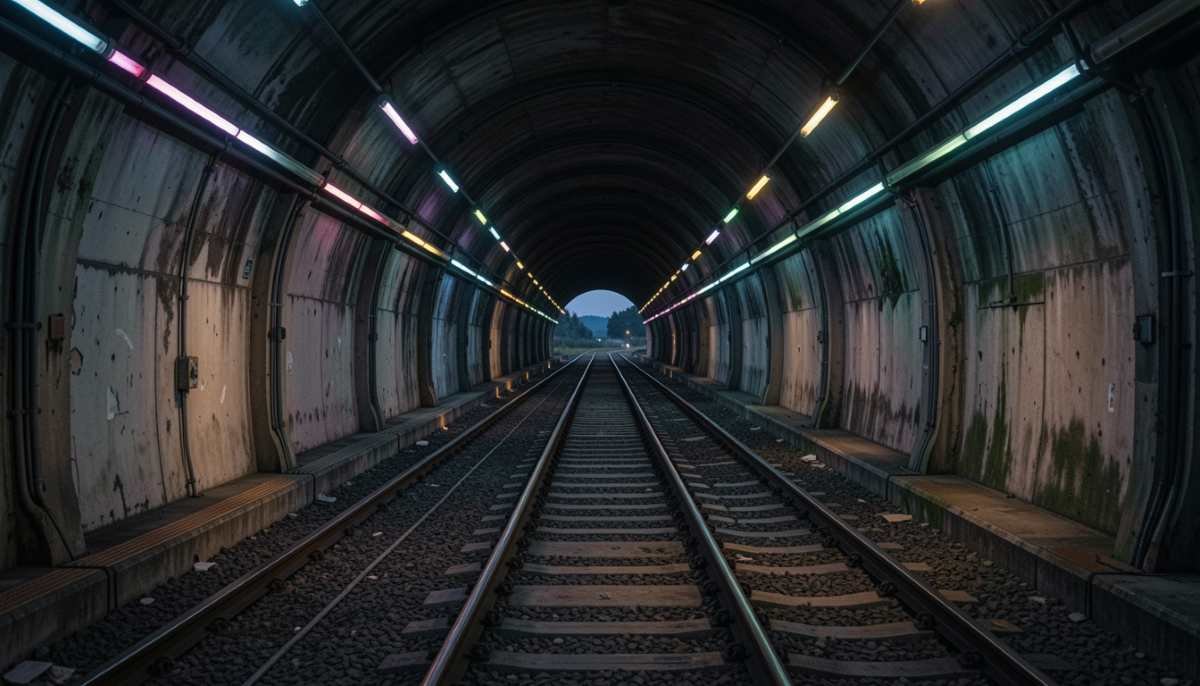
Gangchon tourism is entering a new phase as South Korea moves to transform disused railway infrastructure into a destination built for longer, more immersive trips. In Chuncheon, Gangwon Province, local officials have launched a master plan to revive the historic Piam Tunnel area and nearly four kilometres of abandoned rail corridor, aiming to shift Gangchon from a quick stopover into a high-value stay-type tourism hub.
The project reflects a wider trend in global travel: destinations are no longer competing only for visitor numbers, but for time spent, local engagement and sustainable economic impact. For Gangchon, a place long associated with youth travel, riverside scenery and memories of the old Gyeongchun Line, this redevelopment could redefine how travellers experience one of South Korea’s most nostalgic tourism zones.
Gangchon Tourism Gets a Strategic Upgrade
Chuncheon City formally began the “Gangchon Piam Tunnel Area Design Master Plan Project” on July 7, 2026, at City Hall. The plan advanced after the city was selected for a National Railway Authority programme focused on repurposing idle railway land.
Rather than simply preserving old rail assets, the city is pursuing a more ambitious tourism model. The redevelopment area stretches from the former Gangchon Station site toward Sinbaekyangni Station and is intended to combine history, culture, design and local commerce in one connected visitor experience.
Officials are framing the effort around the idea of “space branding,” meaning the destination will not just be renovated physically, but reintroduced through storytelling, place identity and themed visitor zones. That approach is especially relevant for Gangchon tourism, where emotional value and nostalgia already play a major role in destination appeal.
Why the Piam Tunnel Project Matters for South Korea Travel
One of the main issues identified by planners is that many visitors currently treat Gangchon as a short excursion rather than a place to stay overnight. The new strategy is designed to change that pattern by adding attractions and infrastructure that support evening visits, slower exploration and stronger links to nearby landmarks.
Key features planned for the redevelopment
- Cultural installations: Art displays and photo-friendly spaces inside the Piam Tunnel will turn the structure into a walkable cultural attraction.
- Night tourism enhancements: Eco-conscious lighting and interactive design elements are expected to make the tunnel area appealing after dark.
- Improved wayfinding: Visitor signage and navigation systems will help travellers move easily between the tunnel and surrounding attractions.
- Regional connectivity: The plan is expected to tie into established draws such as Gangchon Rail Park, Gugok Falls and the Elysian Gangchon resort zone.
By building a destination that works during the day and at night, Chuncheon hopes to increase visitor dwell time and create broader benefits for restaurants, cafés, accommodations and small local businesses.
Read more: Discover Ireland travel news and Dublin city break updates and explore Irish tourism trends, business media and destination insights.
How Gangchon Tourism Could Boost the Local Economy
The economic logic behind stay-type tourism is straightforward: when visitors remain in a destination longer, they spend more across a wider range of services. That makes Gangchon tourism especially important for local regeneration, because the benefits can spread beyond a single attraction.
Expected gains include:
- Higher overnight stays in and around Chuncheon
- Increased spending at independent shops and food outlets
- More demand for transport, tours and leisure services
- Stronger destination branding for Gangwon Province
- Better use of heritage infrastructure that would otherwise remain idle
This also aligns with a broader South Korea travel strategy that values adaptive reuse, regional storytelling and sustainable tourism development over one-dimensional mass visitation.
Community Input and the 2026 Project Timeline
Chuncheon City has signalled that the project will not be developed in isolation. Local residents, experts and regional stakeholders are expected to remain involved throughout the planning process, helping shape a realistic and community-sensitive roadmap.
The current design phase is scheduled to continue through December 2026. After that, detailed implementation plans are expected to be finalised in coordination with the National Railway Authority and KORAIL. Once approvals are complete, physical improvements to the external tunnel environment and the phased launch of tourism content can begin.
This staged process matters because tourism redevelopment often succeeds only when design quality, local acceptance and long-term maintenance are considered from the beginning. For Gangchon tourism, that means balancing visitor appeal with authenticity and usability.
Explore more: Read luxury travel inspiration, Ireland premium escapes and global hotel trends and browse best places to visit in Ireland and Irish travel lifestyle features.
Part of a Bigger Chuncheon Destination Strategy
The Piam Tunnel initiative is only one element of a wider tourism push underway in Chuncheon. The city is also tied to broader regeneration efforts backed by national funding, with reports indicating 15 billion won has been secured through the Ministry of Land, Infrastructure and Transport’s Regional Specialisation Urban Regeneration Programme.
Parallel tourism efforts include the continued development of the Gugokpokpo tourist area, the creation of the Banghari tourist site and the designation of Gangchon as an alley-type shopping district. Together, these projects aim to create a more complete tourism ecosystem where culture, retail, nature and heritage reinforce one another.
That integrated model could prove vital in differentiating Gangchon tourism in an increasingly competitive Asian travel market. Instead of relying on a single attraction, Chuncheon is building a layered destination with multiple reasons to visit and more reasons to stay.
FAQs About the Gangchon Piam Tunnel Redevelopment
What is the Gangchon Piam Tunnel project?
It is a tourism redevelopment plan led by Chuncheon City to transform the historic Piam Tunnel and nearby abandoned railway sections into a stay-type travel destination.
Where is Gangchon located?
Gangchon is in Chuncheon, Gangwon Province, South Korea, and has long been known as a popular leisure and excursion area.
Why is this project important?
It is designed to extend visitor stays, support local businesses, preserve railway heritage and strengthen regional tourism competitiveness.
When will the planning phase end?
The current design master plan phase is expected to run through December 2026, followed by implementation planning and phased development.
Conclusion
Gangchon tourism is being reimagined with a clear purpose: turn forgotten rail infrastructure into a meaningful, modern destination that encourages travellers to stay longer and engage more deeply. If Chuncheon delivers on its vision, the Piam Tunnel area could become one of the most interesting examples of heritage-led tourism renewal in South Korea, blending rail history, cultural design and regional economic growth into a destination built for the future.