

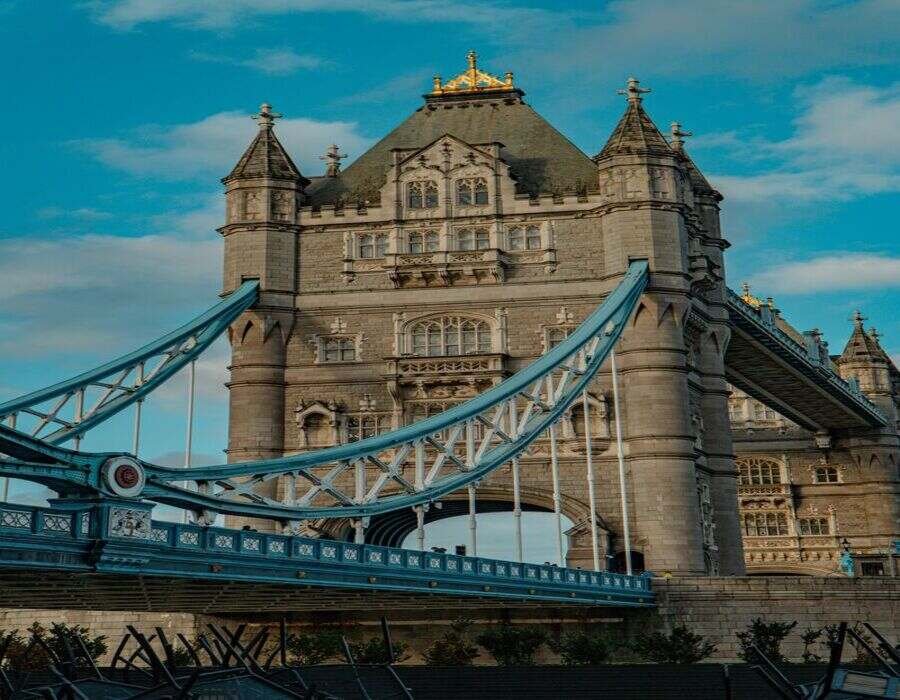
England is preparing to give eligible local authorities new powers to charge a visitor levy on hotel rooms and other paid overnight stays from 2028. The proposed tourist tax would not apply automatically across the country: each participating authority would decide whether to introduce a charge and how to administer it.
For travellers, the practical effect is that accommodation in destinations such as Greater London could cost more if local plans are approved. However, no nationwide rate has been confirmed, and visitors should not assume that every English destination will introduce the levy.
How England’s proposed tourist levy would work
The planned framework would allow eligible English authorities to place a charge on qualifying overnight accommodation. Unlike a single national tax, the system would be locally controlled, meaning the final position could differ between regions.
A participating authority would need to establish its own arrangements, including the rate, collection process and how the revenue would be used. Local consultation and further legislative steps are required before any destination can begin charging visitors.
The proposal is therefore different from an immediate tourism tax in Europe that applies automatically at national or city level. At this stage, it is an enabling framework rather than a confirmed charge for all stays in England.
The levy could be linked to accommodation prices
The proposed model would calculate the charge as a percentage of the accommodation bill rather than as a fixed amount per person or per night. This would mean that the cost could rise with the price of a hotel booking.
- A 5% levy on a £150 accommodation bill would equal £7.50.
- A 5% levy on a £300 accommodation bill would equal £15.
These figures are illustrations only and do not represent a confirmed national rate. The eventual amount would depend on the rules adopted by each authority.
Could London introduce the charge?
Greater London is among the areas that could potentially use the new powers. London receives visitors for tourism, business, shopping, cultural events and entertainment, placing significant demands on transport, public spaces and visitor infrastructure.
If London introduces a levy, the additional cost could appear on hotel bills or be collected through the accommodation provider or booking system. A stay in the capital could therefore have a different final price from a similar booking elsewhere in England.
Other eligible authorities may also consider the measure, but there is no confirmation that any particular destination will adopt it. Travellers should wait for official local announcements before adding a levy to their holiday budget.
Which accommodation and stays could be affected?
The proposed system is aimed at paid overnight accommodation, including hotels, guesthouses and serviced accommodation. Businesses in participating areas could be required to calculate the charge, show it clearly to guests, keep records and pass the money to the relevant authority.
The framework also identifies exemptions and limits. Certain accommodation categories, including student residences, care facilities and temporary shelters, are expected to be protected. The levy would generally apply only to the first 28 consecutive days of a stay.
That means the precise impact could depend on:
- Where the accommodation is located.
- Whether the local authority introduces a levy.
- The booking price and locally approved percentage.
- The type of accommodation.
- The length of the stay.
How the revenue could be spent
Supporters of the proposal say locally collected accommodation revenue could help destinations manage the costs associated with tourism. Possible uses include public transport, cultural facilities, visitor attractions, public-area maintenance, local events and destination promotion.
Spending decisions would be made locally, so the benefits would not necessarily be identical from one area to another. The amount available would also depend on visitor numbers, accommodation prices and the rate selected by the authority.
What travellers should do before booking
There is no need to change current travel plans solely because of the proposal. The levy is not yet a universal charge across England, and the legislative process must be completed before local authorities can use the new powers.
For future bookings, travellers should:
- Check whether the destination has announced a local visitor levy.
- Review the accommodation’s full price, including taxes and service charges.
- Confirm whether the charge is included at checkout or payable on arrival.
- Allow for possible local charges when comparing hotel prices.
- Keep booking confirmations showing the original price and any later additions.
Travellers from Ireland should note that this is an accommodation charge, not a new visa or border requirement. Irish citizens can continue to check official UK entry guidance separately, while non-Irish residents of Ireland should rely on the rules linked to their nationality and travel document.
What happens next?
The proposed tourist levy still depends on the completion of the parliamentary process and subsequent local decisions. Even if the framework becomes law, no English authority will be obliged to introduce a charge.
The confirmed position is therefore limited: from the proposed 2028 timeframe, eligible authorities may gain the power to introduce a locally managed levy, but rates, participating destinations and start dates remain to be established. Anyone planning an English holiday should check the destination’s official council or accommodation guidance before finalising the budget.
The key takeaway is that England is not introducing one immediate nationwide tourist tax. Instead, the proposed framework could allow places such as Greater London to add a locally determined charge to qualifying hotel stays from 2028.