

Standfirst: Recent destination coverage highlights a shift in European travel towards winter breaks, rail journeys, smaller cities and experiences beyond the traditional summer season. The trend could reshape how visitors discover the continent in 2027.
Europe’s tourism market is moving beyond the classic summer holiday. Recent travel rankings and destination guides point to growing interest in year-round trips, scenic rail routes, cultural experiences and less-visited regions, from Lithuania and Latvia to Bulgaria, Norway and Poland.
Although these are travel trends rather than a single European Union decision, they reflect wider changes in how visitors plan holidays. Travellers are increasingly looking for shorter city breaks, outdoor activities, seasonal experiences and destinations that offer value outside the busiest months.
Europe’s travel trends are becoming more seasonal and diverse
Several recent rankings focus on winter escapes, autumn travel and Christmas markets. Alpine destinations such as Interlaken and Innsbruck are presented as bases for snow sports, local food and outdoor adventures, while European ski regions are being assessed for the reliability of their winter conditions.
City breaks are also extending beyond the continent’s most established capitals. Sofia, Vilnius, Ljubljana and Zagreb feature in destination coverage that emphasises walkable historic centres, local culture and compact itineraries. These cities can offer an alternative to heavily visited destinations while still providing museums, architecture, restaurants and access to surrounding landscapes.
Other emerging themes include:
- Year-round tourism: Countries and regions are promoting attractions outside the traditional peak summer period.
- Slow travel: Travellers are showing interest in smaller towns, local food, heritage and lower-intensity itineraries.
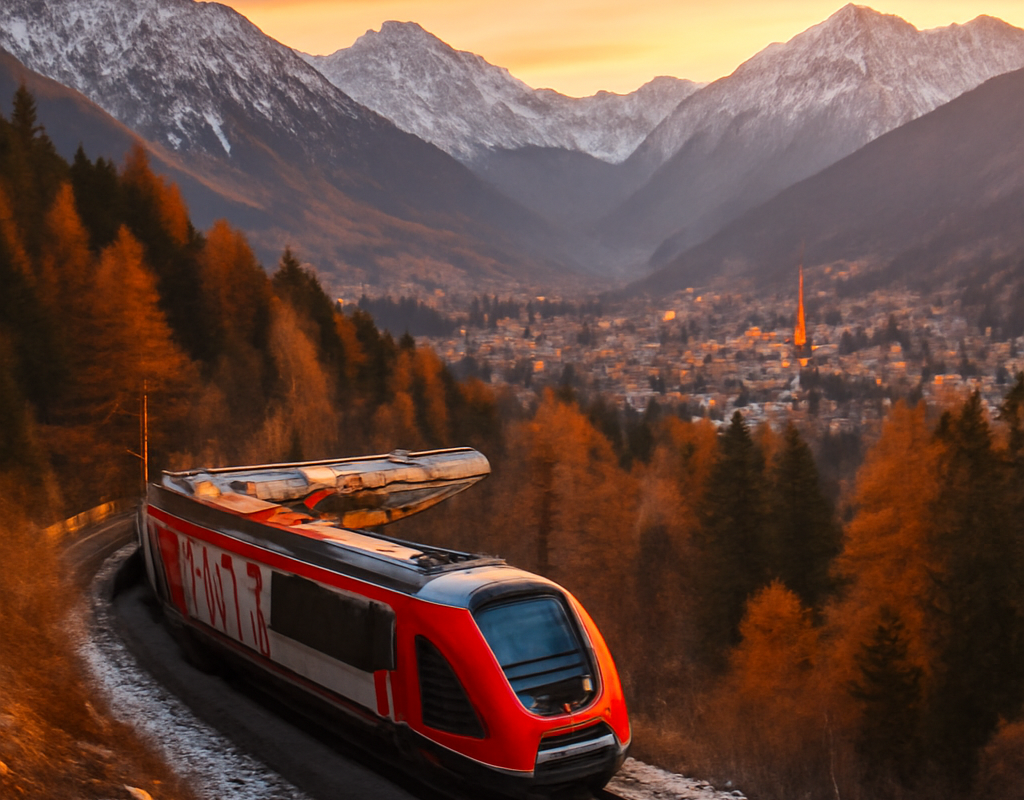
- Rail holidays: Scenic routes and film-location journeys are helping turn train travel into part of the holiday experience.
- Nature-based trips: Wildlife road trips, birdwatching and autumn foliage are attracting visitors seeking outdoor experiences.
- Value-conscious travel: Rankings for 2027 are drawing attention to destinations where accommodation and transport may be more accessible.
Why smaller European destinations are gaining attention
Interest in less-visited destinations is not new, but the latest European travel coverage gives it renewed visibility. Bucovina in Romania, Sigulda in Latvia and Lithuania’s capital Vilnius are examples of places being promoted for their landscape, history and distinctive local character.
This shift can benefit destinations that face intense summer pressure elsewhere. Encouraging visitors to explore smaller cities and rural regions may help spread tourism spending, support local businesses and reduce dependence on a short peak season. It can also give travellers more space and a stronger connection with local communities.
However, increased attention brings responsibilities. A destination that becomes fashionable must manage accommodation growth, transport demand, waste, environmental pressures and the preservation of historic sites. Sustainable tourism is not achieved simply by directing visitors to a new location; local planning and visitor management remain important.
Rail journeys add a cultural dimension to European travel
Rail travel is another clear theme in current destination coverage. Set-jetting journeys linked to films and television are bringing visitors to railway stations, bridges and landscapes associated with popular stories. In the UK, routes connected with the Harry Potter films illustrate how transport can become part of the attraction rather than merely a way to reach one.
Across continental Europe, rail can also support multi-city breaks and slower itineraries. Travellers may combine historic centres, mountain scenery and regional food without relying entirely on car travel. The practical appeal depends on timetables, prices, connections and the availability of direct services, so travellers should check current arrangements before booking.
What the trend means for travellers in Ireland
For Irish travellers, the growth of shoulder-season and winter options could create more choice beyond traditional sun holidays. Short breaks to Central and Eastern European cities, Christmas markets and rail-based itineraries may be suitable for visitors seeking different experiences during autumn, winter or spring.
Travel planning still requires attention to practical details:
- Check passport, entry and health requirements before departure.
- Confirm airline and rail schedules, particularly for seasonal services.
- Compare the full cost of transport, accommodation and local travel rather than relying only on headline prices.
- Book popular festivals, ski resorts and Christmas markets well in advance.
- Consider local environmental guidance when visiting nature reserves, mountain areas or historic sites.
Ireland is not part of the Schengen Area, so Irish residents should check the entry arrangements for each destination rather than assuming that rules are identical across Europe. The United Kingdom also has separate travel requirements.
What happens next for European tourism?
The destination rankings and guides do not establish binding tourism policy, and their recommendations are not guarantees of price, snow conditions or visitor numbers. They are indicators of the experiences currently attracting attention from travellers, tourism organisations and booking platforms.
The broader direction is clear: European tourism is increasingly being marketed as a year-round activity, with a stronger emphasis on local identity, nature, rail travel and destinations outside the busiest hotspots. Travellers who plan beyond the summer peak may find more varied experiences, while destinations have an opportunity to spread economic benefits more evenly throughout the year.
The key takeaway is that Europe’s travel trends are moving towards broader, slower and more seasonal exploration. For visitors, that means more alternatives to conventional city-and-beach holidays; for destinations, it means balancing growth with the protection of local communities, landscapes and heritage.