

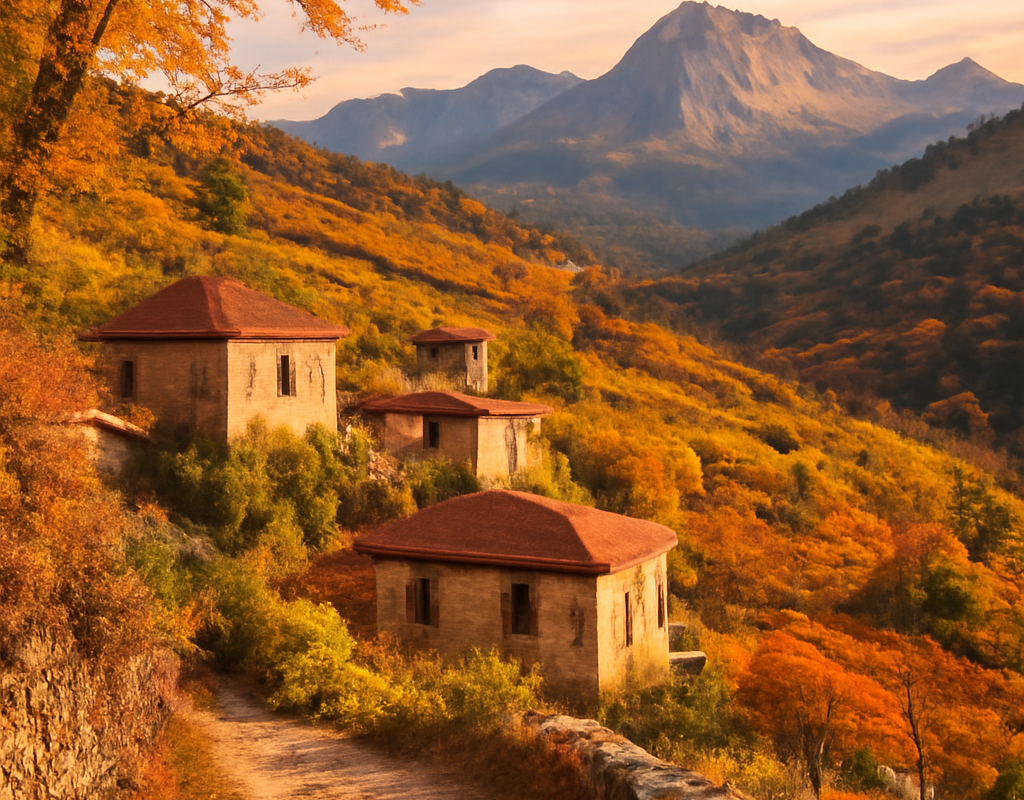
Greece is looking beyond its famous summer beaches as it seeks to build a stronger year-round tourism industry. The country is promoting mainland travel, mountain escapes, wellness retreats, food and wine experiences, and urban breaks alongside its established island holidays.
Speaking at World Travel Market in London, Greece’s Tourism Minister Olga Kefalogianni said the strategy is intended to spread tourism benefits more widely and encourage visitors to discover parts of the country outside the traditional peak season.
Greece tourism strategy shifts beyond summer beaches
Greece remains strongly associated with its islands, clear waters and warm-weather holidays. However, the government and tourism authorities are increasingly presenting the country as a destination for all seasons.
The aim is not simply to increase visitor numbers. Kefalogianni said the value tourism creates for local economies is becoming a more important measure of success. A longer season could help businesses and communities that currently depend heavily on a few busy summer months.
The strategy includes promoting:
- Mountain tourism and outdoor escapes
- Agrotourism and rural experiences
- Wellness and spa breaks
- Gastronomy and wine tourism
- City breaks and cultural events
- Lesser-known islands and mainland destinations
Mountain tourism and rural experiences gain attention
Greece’s mountainous landscape is central to its plans for year-round travel. The country is home to destinations including Mount Olympus and Mount Smolikas, as well as numerous villages, walking routes and rural communities.
These areas offer a different experience from the coastal resorts that dominate international perceptions of Greece. Visitors can explore hiking routes, traditional settlements, local food producers and landscapes that are particularly attractive during spring, autumn and winter.
Encouraging travel to inland areas could also help distribute visitor spending more evenly. Rather than concentrating activity in major islands and coastal resorts during July and August, tourism officials want more communities to benefit from accommodation, restaurants, guides, transport providers and local producers.
Agrotourism, wellness and gastronomy
Agrotourism is another priority. Farm visits, regional food, cooking traditions and locally produced goods can give travellers a closer connection with the places they visit while supporting small businesses.
Wellness holidays and spa breaks are also being promoted as options for visitors seeking a quieter experience outside the busiest summer period. Greece’s food culture and wine production provide further opportunities to create specialist travel itineraries.
Greek wine tourism prepares for greater visibility in 2027
Wine tourism is expected to receive particular attention in 2027. Greece has hundreds of wineries across the country, with many welcoming visitors.
The Greek tourism authorities have launched a dedicated wine tourism website, winetourismgreece.com, to help travellers discover wineries and wine-related experiences in the areas they visit. The initiative is designed to connect regional travel with local producers and encourage visitors to explore beyond the best-known destinations.
Wine routes can also support travel during shoulder seasons, when temperatures are milder and the pressure on popular summer locations is lower. Combined with regional cuisine, cultural attractions and rural accommodation, they form part of a broader effort to develop more varied tourism products.
Athens and Thessaloniki offer year-round city breaks
For visitors uncertain about travelling to Greece outside the summer season, Athens is being promoted as a starting point. The capital offers museums, archaeological sites, restaurants and cultural events throughout the year.
The tourism minister also highlighted Athens’ modern and cosmopolitan character, including concerts, sporting events and other activities that appeal to younger travellers. This positioning presents the city as more than a gateway to the islands.
Thessaloniki, Greece’s second-largest city, is another option for an out-of-season break. Its urban culture, food scene and historical attractions provide an alternative to coastal resort tourism.
Digital planning tools target independent travellers
The relaunched VisitGreece.gr website uses artificial intelligence to provide customised itinerary suggestions. The tool is intended to help travellers plan trips based on their interests and make it easier to combine destinations and activities.
Digital travel planning can support the year-round strategy by drawing attention to less familiar regions and experiences. It may also help visitors move beyond a single beach destination by presenting combinations involving cities, mountains, food, wine and wellness.
What Greece’s tourism approach means for travellers
The new emphasis does not replace Greece’s established island tourism. Instead, it adds more options for travellers who want to visit at different times of the year or combine a traditional coastal holiday with inland experiences.
For visitors, the approach could mean:
- More choice outside the busiest summer months
- Greater visibility for mainland and rural destinations
- New wine, food and wellness itineraries
- More opportunities to support local businesses
- Access to cultural and outdoor experiences in cooler seasons
The wider challenge of extending the tourism season
Turning Greece into a genuinely year-round destination will depend on more than marketing. Transport connections, accommodation availability, weather, local infrastructure and the opening hours of attractions will all influence whether visitors choose to travel outside summer.
Tourism growth also needs to benefit local communities while protecting the landscapes and cultural sites that attract visitors. A broader distribution of travel could help reduce pressure on the most popular islands, but it will require careful planning as demand develops in new areas.
Conclusion
Greece’s year-round tourism plans are widening the country’s offer beyond beaches and island holidays. By investing in mountain travel, wine tourism, wellness, gastronomy, Athens, Thessaloniki and digital itinerary tools, Greece is seeking a longer season that creates more consistent benefits for local economies. For travellers, the message is clear: the country’s appeal is not limited to summer.