

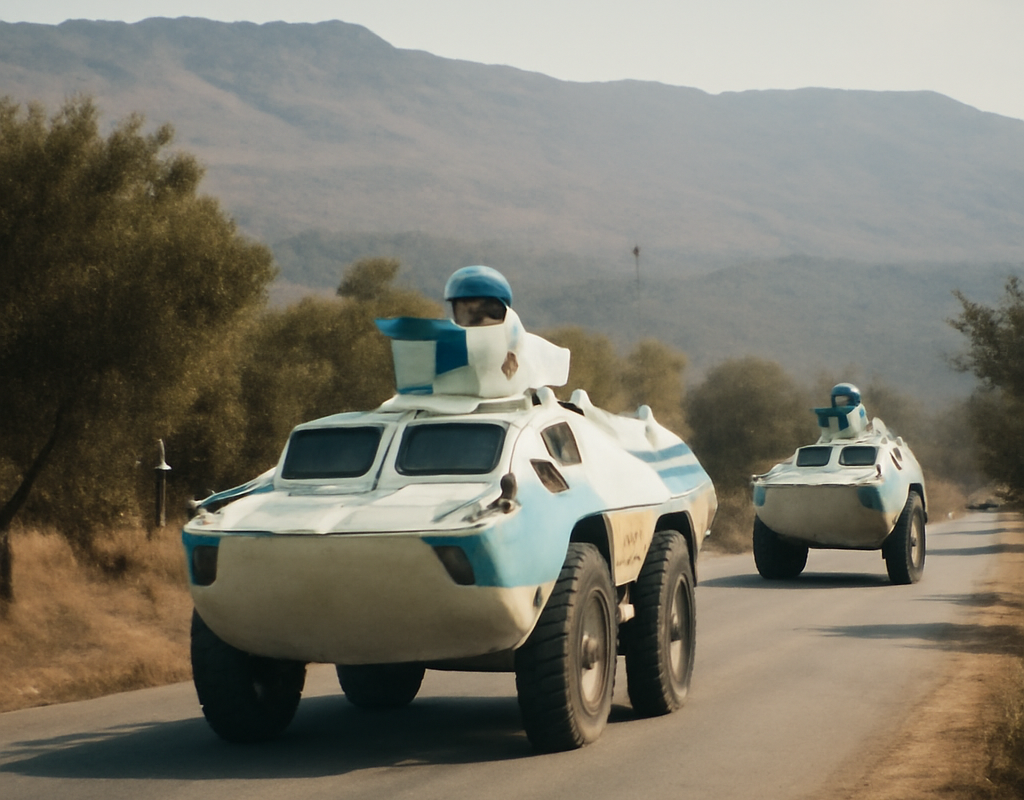
Irish troops in Lebanon continue to serve with the United Nations Interim Force in Lebanon, known as UNIFIL, as international attention remains focused on security and stability along the country’s southern border. The deployment places Ireland at the centre of a long-running peacekeeping effort involving military personnel from several countries.
What is happening with Irish troops in Lebanon?
Ireland’s Defence Forces have a longstanding role in UNIFIL, the United Nations peacekeeping mission established to help maintain stability in southern Lebanon. Irish personnel operate as part of an international force and carry out duties under a UN mandate.
The mission is designed to support peace and security, monitor developments in the area and assist with the implementation of relevant United Nations decisions. Irish participation reflects the State’s wider tradition of military neutrality and overseas peacekeeping.
For families and communities in Ireland, the deployment remains closely watched because Irish soldiers are serving in a complex and potentially dangerous environment. Any change to the security situation can affect operational planning, travel arrangements and the welfare of personnel overseas.
Why the UNIFIL mission matters
UNIFIL operates in southern Lebanon, an area where tensions have repeatedly raised concerns about civilian safety and regional escalation. Peacekeepers help provide an international presence and contribute to communication between parties in a volatile security environment.
Ireland’s involvement also carries a particular historical significance. Irish soldiers have served in Lebanon for decades, making the mission one of the most established elements of Ireland’s overseas military activity.
The deployment is part of Ireland’s broader contribution to United Nations peacekeeping, alongside missions that have involved Irish personnel in countries affected by conflict, political instability and humanitarian emergencies.
Key facts about Ireland’s role
- Irish personnel serve under the authority of the United Nations mission.
- UNIFIL is based in southern Lebanon.
- The operation involves military and civilian contributions from multiple countries.
- Irish participation forms part of Ireland’s long-running overseas peacekeeping policy.
- Personnel welfare and operational safety remain central considerations for Defence Forces leadership.
Irish peacekeeping and overseas deployments
Irish Defence Forces personnel have served in international operations for generations. Overseas deployments can include patrols, observation duties, liaison work, logistical support and other responsibilities determined by the mission mandate.
Before personnel deploy, they receive training tailored to the location and assignment. This can cover operational procedures, cultural awareness, security risks, medical preparedness and cooperation with international partners.
While peacekeeping missions are intended to reduce conflict and protect stability, they do not eliminate risk. Conditions can change quickly, particularly when regional tensions increase or when armed groups operate near areas covered by a UN mandate.
What happens next for Irish personnel?
The next steps will depend on developments on the ground, assessments by UNIFIL leadership and decisions by the Irish Government and Defence Forces. Any significant change to the deployment would be expected to involve official communication from relevant authorities.
Updates may address the safety of personnel, operational arrangements, the wider UN mission or any decision affecting Ireland’s contribution. Until official information is released, readers should be cautious about unverified reports circulating online.
Families of serving personnel are typically supported through established Defence Forces channels. Public statements may provide broad information while withholding operational details that could compromise safety.
Frequently asked questions
What does UNIFIL stand for?
UNIFIL stands for the United Nations Interim Force in Lebanon. It is a UN peacekeeping mission operating in southern Lebanon.
Why are Irish soldiers serving in Lebanon?
Ireland contributes personnel to UN peacekeeping missions as part of its international security, diplomatic and humanitarian commitments. Irish troops have served in Lebanon for many years.
Are Irish troops in Lebanon part of a combat operation?
Irish personnel serve under the mandate and rules of the UN mission. Their duties are connected to peacekeeping and security support, although overseas service can involve serious risks.
Where can readers find reliable updates?
Readers should rely on statements from Ireland’s Department of Defence, the Defence Forces and the United Nations. Official channels are more dependable than unverified social media posts, particularly during a developing security situation.
Why this story matters in Ireland
The deployment links Irish public policy with a rapidly changing international security landscape. It affects serving personnel, their families, Defence Forces planning and Ireland’s continuing relationship with the United Nations.
For readers following the latest Irish news, the story also highlights how decisions made overseas can have direct consequences at home. Ireland’s contribution to UNIFIL is not only a military commitment; it is part of the country’s long-standing approach to international peacekeeping and diplomatic engagement.
The key takeaway is that Irish troops remain part of the UNIFIL peacekeeping effort in Lebanon, while future developments will depend on official assessments of security conditions and the UN mandate. DailyDigest will continue to monitor confirmed Ireland News updates as they become available.