

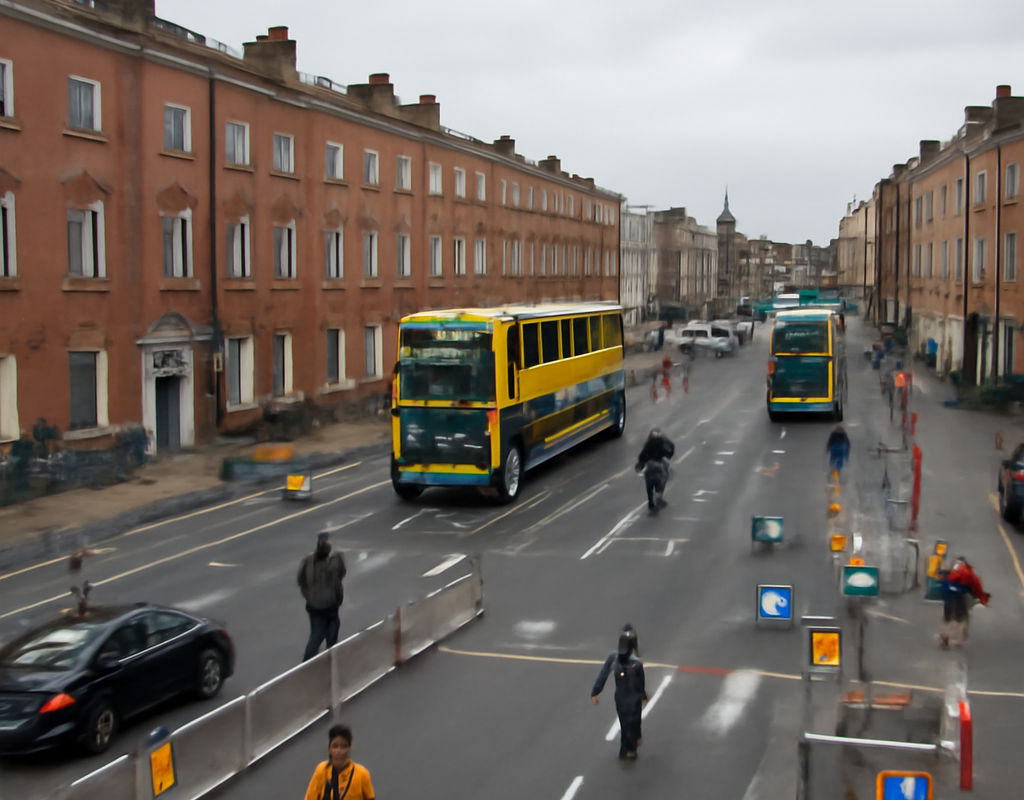
Dublin city centre traffic restrictions are an important consideration for anyone travelling through the capital, particularly drivers, public transport users, cyclists and pedestrians. With access rules and road layouts changing over time, checking official travel information before setting out can help commuters avoid delays and plan safer journeys.
Dublin city centre traffic restrictions explained
Traffic restrictions in central Dublin can affect how vehicles enter, leave or move through busy streets. Measures may include temporary road closures, bus-priority arrangements, restricted vehicle access, altered turning movements, parking controls and works-related diversions.
The practical impact depends on the specific road, the time of day and the reason for the restriction. Drivers should not assume that a familiar route remains unchanged, especially when travelling during peak periods or when special events, construction or public-realm projects are taking place.
Who may be affected?
- Private motorists travelling into or across the city centre
- Bus and taxi users affected by diversions or changes to stopping points
- Residents and businesses requiring local access
- Delivery drivers and commercial vehicles
- Cyclists and pedestrians using central transport corridors
Why restrictions matter for Dublin travel
Dublin’s central streets carry a large volume of traffic each day. Small changes at one junction can create knock-on effects on nearby roads, particularly around the quays, major commercial streets, public transport interchanges and routes serving the city’s colleges, offices and visitor attractions.
Restrictions are often introduced to support several objectives at once. These can include improving bus reliability, making space for pedestrians and cyclists, protecting road users during construction, managing congestion or allowing a public event to take place safely. The effect may be inconvenient for some journeys, but the stated purpose is generally to manage limited road space and improve safety or movement.
What drivers should do before travelling
Anyone planning a city-centre journey should treat official signage as the final authority. Online maps can take time to reflect temporary arrangements, while road signs and instructions from traffic personnel may change during the day.
- Check the latest road and public transport updates before leaving.
- Identify whether the destination has a permitted access route.
- Allow additional time for congestion and possible diversions.
- Avoid illegal stopping or parking, even if traffic is moving slowly.
- Follow temporary signs, barriers and directions from authorised personnel.
Drivers should also consider whether a park-and-ride or public transport option is more practical. Depending on the location and timing, using a train, Luas, bus or walking route may reduce the risk of being caught in a diversion.
Public transport and pedestrian considerations
Traffic restrictions do not necessarily mean that the city centre is inaccessible. Instead, routes may operate differently, with buses diverted, stops temporarily relocated or journeys taking longer than usual. Passengers should check live departure information and allow time to reach an alternative stop if needed.
Pedestrians should remain alert around temporary works, barriers and altered crossings. Cyclists may also encounter changes to lanes or junction arrangements. When road layouts are being modified, all users should follow the marked route rather than relying on their usual path.
Where to find verified updates
For developing Dublin traffic information, readers should use official sources rather than relying solely on social media posts or outdated journey advice. Relevant information may be published by:
- Dublin City Council, for road closures, public-realm works and local traffic measures
- Transport for Ireland, for journey planning and public transport information
- Transport operators, including Dublin Bus, Luas and Iarnród Éireann
- An Garda Síochána, where traffic management or public safety issues apply
- Event organisers, when restrictions are linked to a scheduled gathering
Information can change quickly when an incident develops. A route that is open earlier in the day may be restricted later, so commuters making time-sensitive journeys should check again shortly before departure.
What happens next?
The duration and precise effect of any Dublin city centre traffic restrictions depend on the associated works, event or traffic-management decision. Where arrangements are temporary, authorities may restore normal access once safety checks and operations are complete. Longer-term measures may form part of wider plans for bus priority, active travel, congestion management or urban redevelopment.
Travellers should look for confirmed updates rather than assuming that an initial restriction will end at a particular time. If an authority announces a change, the most reliable details will normally include the affected streets, operating hours, exemptions and alternative routes.
Frequently asked questions
Are all vehicles banned from Dublin city centre?
No. A restriction may apply only to a particular street, vehicle type, direction of travel or time period. Drivers should check the specific notice and follow signs at the location.
Can residents and deliveries still access restricted areas?
Some arrangements may include exemptions or controlled access, but these vary. Residents, businesses and delivery operators should confirm the relevant conditions before travelling.
Is public transport operating normally?
Services may continue while using diversions or temporary stop changes. Passengers should consult their operator for live information before starting a journey.
Key takeaway for commuters
Dublin city centre traffic restrictions can change journey times and access arrangements with little notice, particularly during roadworks, events or busy commuting periods. The safest approach is to check official updates, plan an alternative route, allow extra time and obey temporary traffic controls. For drivers and commuters, preparation remains the best way to manage disruption in central Dublin.