

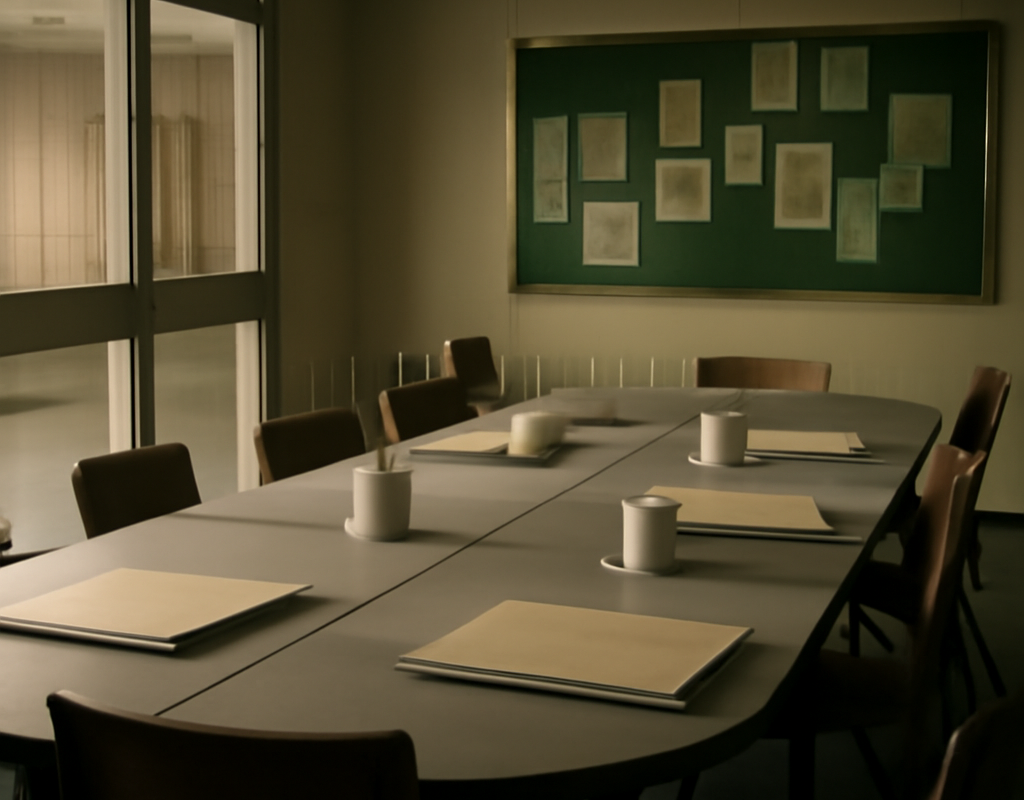
School leaders trying to introduce reform often face opposition that is quiet, persistent and difficult to address. In this analysis of education leadership, the focus is on the “unsackable” barriers to progress that can emerge inside staffrooms and shape how schools respond to change.
Why school change can become a staffroom battle
For principals, progress is rarely as simple as identifying a problem and announcing a solution. Even ideas designed to improve student wellbeing, safety or participation can trigger resistance from established members of staff.
The difficulty is that this opposition does not always appear as an open dispute. It may take the form of delayed implementation, repeated objections, procedural obstacles or a determination to restore familiar routines after a change has been introduced.
That makes the issue particularly challenging for school leaders. Visible disagreement can be discussed and managed. Quiet resistance is harder to identify, especially when it is framed as concern about practicality, tradition or workload.
The “shipwrecks” inside school staffrooms
At a national principals’ conference in Croke Park in 2024, a speaker used the image of a shipwreck visible beneath the surface of Portmarnock beach to describe the hidden obstacles within schools. The comparison resonated with principals because the wreck may disappear from view, but it remains in place.
The same can be true of entrenched workplace habits. A school may appear ready to modernise, yet longstanding attitudes and informal alliances can continue to influence decisions beneath the surface.
One reason these barriers can be difficult to remove is the employment structure governing teachers. Once teachers have moved beyond their first year in a school, principals have limited ability to dismiss them. That means leadership must usually rely on communication, consultation and relationship-building rather than simply replacing opponents of reform.
- Resistance may be indirect rather than openly confrontational.
- Small changes can become symbols of wider concerns about control and identity.
- Consultation and gradual preparation can make reform easier to implement.
- Student benefit should remain the central test for proposed changes.
What “white anting” means in workplace change
The Australian term “white anting” describes the gradual weakening of a structure from the inside, similar to the damage caused by termites. Applied to schools, it refers to behaviour that slowly undermines a policy, initiative or leadership objective while leaving the institution outwardly intact.
The metaphor does not mean that every question or disagreement is destructive. Professional challenge is an important part of responsible school governance. Teachers should be able to raise concerns about a proposal’s evidence, cost, workload or impact on students.
The problem arises when opposition becomes focused on preserving existing arrangements rather than testing whether a new approach could improve outcomes. In those circumstances, a school can spend considerable energy defending the status quo instead of evaluating what students need.
How minor disputes can reveal deeper resistance
Examples from school leadership show how apparently minor decisions can become flashpoints. Changing the position of a painting to make room for a student-success display led to significant staff upset in one school. The argument was not really about the artwork; it reflected anxiety about a visible change to the shared environment.
In another example, a banner placed in a busy stairwell was moved because it affected visibility and safety. After the staff member responsible left the role, the banner was returned. The act illustrated how symbols and routines can become a way to express opposition, even after the original decision has been explained.
These incidents matter because they show that change management is also about culture. Staff members may interpret a new display, meeting format or student policy as evidence that the identity of their school is being altered.
Why gradual consultation can work better
Introducing an evidence-based idea at a single staff meeting may be efficient, but it can also make people feel that a decision has already been made. A slower approach gives staff time to understand the purpose of the proposal, ask questions and identify practical problems.
Useful strategies can include:
- forming a representative working group;
- conducting a whole-school survey;
- sharing research and examples from other schools;
- inviting external organisations or experienced teachers to discuss implementation;
- testing a policy before introducing it across the entire school.
Physical preparation can also help. When phone pouches were introduced, placing them in prominent areas helped make the change familiar before the policy was formally discussed. This approach turns an abstract proposal into something staff and students can see and consider.
What this means for students and parents
For students, the effects of internal resistance may be felt through inconsistent rules, delayed support or uneven access to new initiatives. A policy can exist on paper while producing different experiences in different classrooms.
Parents and guardians may also notice that a school’s published goals do not always match daily practice. Clear communication is therefore essential. Families should understand what is changing, why it matters and how the school will assess whether the change is working.
Students should remain central to the process. Proposals involving parent-teacher meetings, mobile phones, wellbeing or learning supports should be judged by their educational and pastoral value, not simply by whether they are familiar to staff.
Frequently asked questions
What is “white anting” in a school?
It is a metaphor for quietly undermining a policy or reform from within an organisation. It describes persistent internal resistance rather than ordinary professional disagreement.
Why can principals struggle to remove barriers to progress?
Once teachers have completed their first year, principals have limited powers to dismiss them. Leadership must therefore manage disagreement through communication, consultation and professional processes.
Does opposition always mean a teacher is acting destructively?
No. Constructive criticism can identify risks and improve a proposal. The concern is resistance that prevents meaningful evaluation or implementation without engaging with the intended student benefit.
How can schools introduce change more effectively?
Schools can use staged consultation, surveys, working groups, pilot programmes and clear evidence. Giving staff time to understand a proposal can reduce surprise and build ownership.
The long-term challenge for education leadership
School improvement is not only a matter of policy. It depends on trust, timing and the ability to bring people with different experiences into a shared plan. Principals may not be able to eliminate every internal barrier, but they can make resistance visible enough to discuss and ensure that decisions remain connected to students’ needs.
The lasting lesson is that progress in schools often happens incrementally. Leaders who prepare carefully, listen seriously and communicate consistently have a better chance of moving an institution forward without allowing every disagreement to become a permanent obstacle.
Follow education developments and practical guidance for families at DailyDigest.ie.
Conclusion
Breaking News from Ireland’s education sector is not always about a new policy or dispute. Sometimes the most important story is the quieter struggle over whether schools can adapt. Recognising hidden resistance, separating legitimate scrutiny from obstruction and keeping student welfare at the centre can help principals turn difficult change into sustainable progress.