

Breaking News: A planned strike by more than 300,000 public sector workers in Ireland has been called off after Government representatives and trade unions reached a new national pay agreement following overnight talks in Dublin.
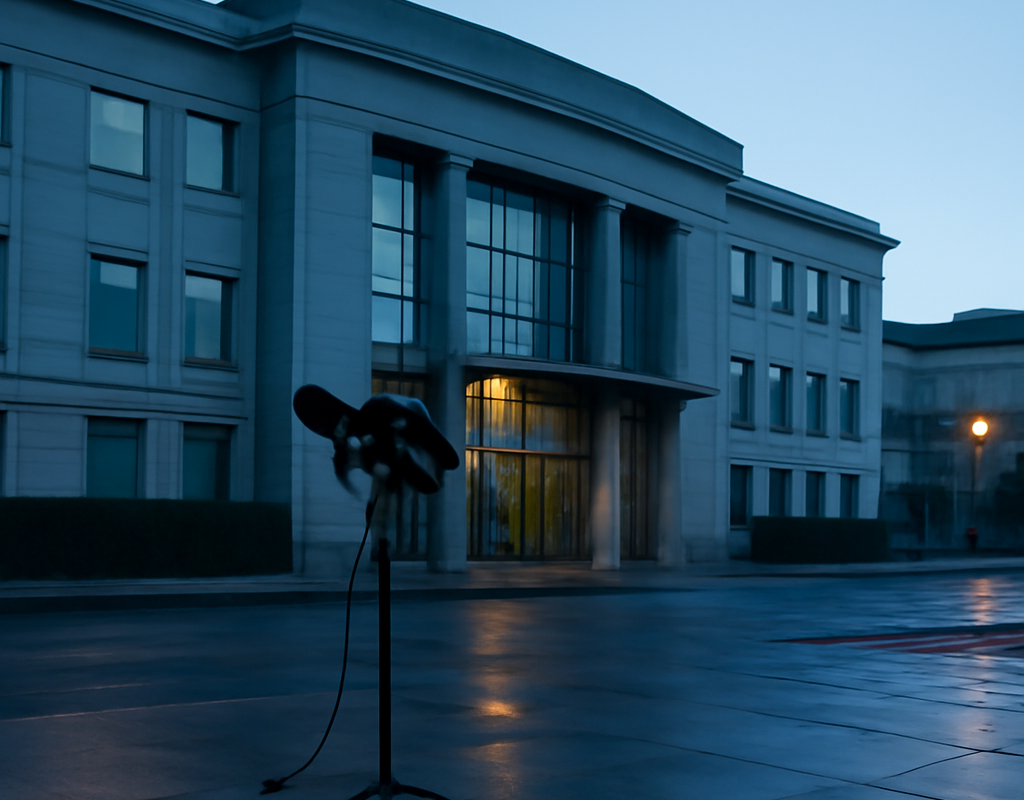
The agreement was confirmed shortly after 3.30am on Wednesday, 11 November 2026, at the Workplace Relations Commission in Ballsbridge. The deal means industrial action scheduled for Thursday will not proceed, removing the immediate threat of widespread disruption across public services.
Public sector strike cancelled after agreement
The proposed strike had involved workers across a broad range of State services. Its cancellation follows negotiations that continued through the night as officials attempted to resolve a dispute over public sector pay.
Representatives from the Government and Ireland’s largest public service unions remained at the talks until the agreement was reached. The discussions were conducted through the Workplace Relations Commission, which plays a central role in helping employers and unions settle industrial relations disputes.
The announcement brings short-term certainty for workers, public bodies and members of the public who had been preparing for possible disruption to services on Thursday.
Key facts about the agreement
- More than 300,000 public sector workers had been due to strike.
- The industrial action was scheduled for Thursday.
- Government and union officials reached an agreement after late-night talks.
- The announcement was made at the Workplace Relations Commission in Ballsbridge shortly after 3.30am.
- Union members must now consider the terms of the proposed national pay agreement.
Why the talks mattered to Ireland
A national public sector strike would have had consequences well beyond individual workplaces. Public services including healthcare, education, local government and other State functions could have faced delays, reduced staffing or temporary closures depending on how the action was implemented.
For households, the dispute had become an important part of the wider debate about wages, inflation and the cost of living in Ireland. Public sector unions have been seeking pay improvements that reflect rising household expenses, while the Government has had to balance those demands against the State’s wider finances and existing spending commitments.
The agreement is therefore significant both as an industrial relations settlement and as a test of how the Government and unions manage pay pressures across the public service.
Follow the latest Ireland News and public service developments at DailyDigest.ie.
What happens next for public sector workers?
The cancellation of Thursday’s strike does not necessarily mean the process is complete. Unions will need to communicate the details of the proposed agreement to their members and follow their own approval procedures.
The next stages are expected to focus on the terms of the deal, including the value and timing of any pay increases, the length of the agreement and any commitments linked to future negotiations. The source report confirms that a deal was agreed, but does not set out its full financial details.
Workers should rely on updates from their own union for information about ballots, implementation dates and any workplace-specific arrangements. Public bodies are also expected to clarify whether normal services will resume immediately and whether any planned contingency measures remain necessary.
What does the deal mean for the public?
For most people, the most immediate effect is that the planned disruption on Thursday has been avoided. Services that might otherwise have operated with reduced capacity can now prepare to continue under normal arrangements.
That does not rule out future disagreements. The cost of public sector pay settlements can influence Government budgets, taxation decisions and spending plans. It can also shape negotiations in other parts of the economy, particularly where workers are seeking to protect their income against higher prices.
Members of the public who had appointments, school arrangements or dealings with State agencies affected by the proposed action should still check directly with the relevant service. Local arrangements may vary, and individual organisations may issue their own notices following the overnight agreement.
Frequently asked questions
Was the public sector strike going ahead?
No. The strike planned for Thursday has been called off after a pay agreement was reached between Government representatives and unions.
How many workers were involved?
More than 300,000 public sector workers had been due to take part in the industrial action.
Where was the agreement reached?
The talks took place in Dublin through the Workplace Relations Commission. The announcement was made at its Ballsbridge premises shortly after 3.30am.
Has the full pay package been published?
The available report confirms that a new national pay agreement was reached but does not provide the complete financial terms. Further details are expected through Government and union communications.
Could industrial action return?
The immediate strike has been cancelled. Any future action would depend on the agreement’s approval, implementation and how unions and members respond to its terms.
Breaking News Ireland: the key takeaway
The planned public sector strike has been averted after Government and union negotiators reached a deal during late-night talks. The settlement removes an immediate threat to public services, but attention will now turn to the agreement’s full details and the formal process for union members to consider it.
For readers, the clearest message is that Thursday’s planned strike will not take place. Further updates will be needed to explain the pay package, its timetable and its long-term impact on Ireland’s public services and finances.