

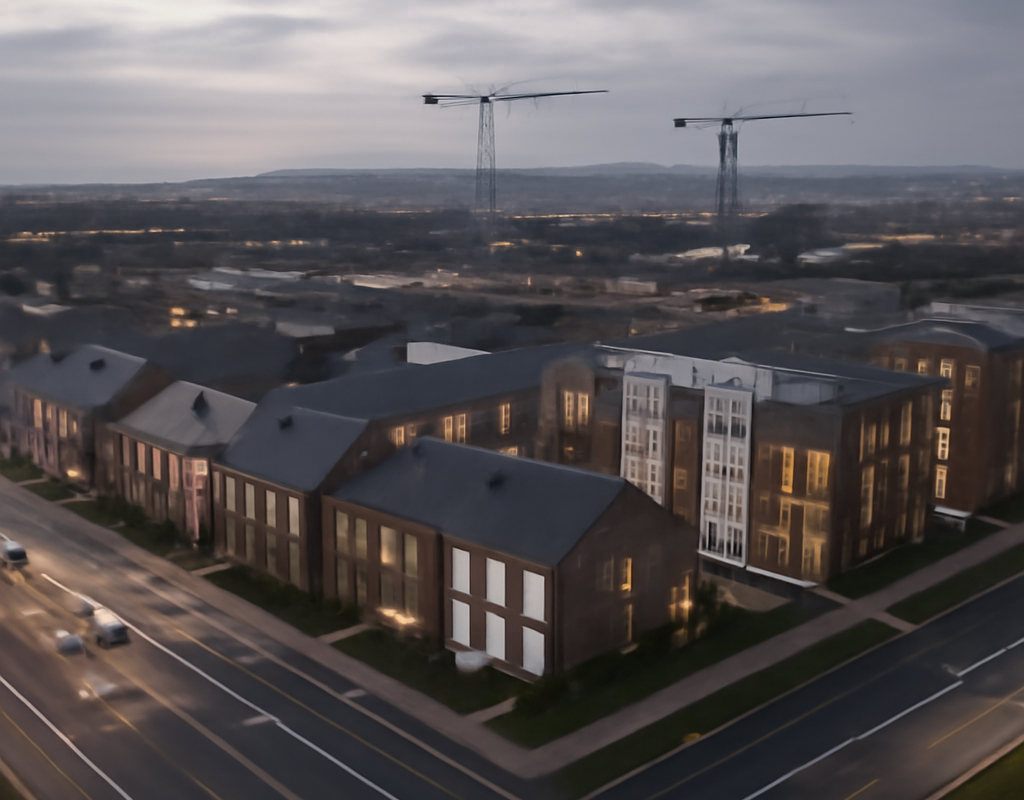
Ireland’s housing targets for 2030 are coming under renewed scrutiny as the country tries to match ambitious building plans with the realities of planning, construction capacity and demand. The debate matters because decisions made now will shape rents, home ownership and the availability of social housing for years to come.
Ireland housing targets for 2030: what is at stake?
The central challenge is straightforward: Ireland needs substantially more homes, but reaching long-term targets depends on more than setting annual construction goals. Land, infrastructure, planning approvals, finance, labour and the pace of delivery all influence whether promised homes become completed properties.
Housing remains one of the most closely watched issues in Ireland News, affecting renters, first-time buyers, families seeking larger homes and people on social-housing waiting lists. It is also a major test for the Irish Government, which must balance immediate pressure with a credible plan extending to the end of the decade.
Why the 2030 deadline matters
A 2030 target gives policymakers a clear planning horizon, but it also creates a risk of delayed action. If annual delivery falls short in the early years, the gap becomes harder and more expensive to close later. That is why housing analysts and local authorities focus not only on the final number but also on yearly output and the geographic distribution of new homes.
The need is particularly visible in Dublin and other major urban areas, where employment, education and public services continue to attract residents. Dublin News frequently reflects the pressure through stories about rents, apartment supply, homelessness and transport-linked development. Cork News, Galway News and Limerick News also highlight different versions of the same national problem: demand is not confined to the capital.
Targets must be matched by infrastructure
New housing cannot be delivered successfully without roads, public transport, schools, healthcare and utilities. Large developments may receive planning approval yet face delays if water capacity, electricity connections or transport links are not ready.
That makes housing policy closely connected to Public Services Ireland and Public Transport Ireland. A home is more viable when residents can reach workplaces, schools and essential services without relying entirely on private cars.
What is driving pressure on housing delivery?
Several factors continue to affect Ireland’s housing market:
- Construction costs: Materials, labour and compliance requirements can make projects more expensive to deliver.
- Planning timelines: Delays at different stages can slow construction even when demand is already clear.
- Finance: Interest rates and development funding influence whether projects proceed.
- Land and infrastructure: Suitable sites may still require significant public investment before building can begin.
- Workforce capacity: The construction sector must have enough skilled workers to increase output sustainably.
These pressures also connect housing to Cost of Living Ireland. Rising rents and mortgage expenses reduce household budgets, while prospective buyers face challenges saving deposits and meeting lending criteria. Irish Property News and Mortgage News Ireland therefore remain closely linked to the broader 2030 discussion.
Read More
Follow related housing and consumer coverage at DailyDigest.ie.
Who is affected by the targets?
The consequences extend across the housing system. Renters may benefit from increased supply if enough homes are completed in areas where demand is strongest. First-time buyers need a combination of suitable properties, stable incomes and manageable borrowing costs. Social and affordable housing programmes are also essential for households unable to compete in the private market.
Employers are affected too. High housing costs can make it harder to recruit and retain staff, particularly in Dublin and other cities. That links Ireland Housing to the Irish Economy, regional development and Ireland Travel News, since tourism and hospitality businesses also depend on workers being able to live near their jobs.
What happens next?
The next stage will be measured through delivery rather than announcements. Key indicators include planning decisions, construction commencements, completed homes and the proportion of new supply available at social or affordable prices.
Readers should also watch for updates from government departments, local authorities and housing agencies. Changes to planning rules, infrastructure funding or construction supports may influence delivery, but their effect will depend on implementation and local capacity.
Questions to watch
- Are annual housing targets being met consistently?
- Where are new homes being built, and are they close to jobs and transport?
- How many completed properties are social, affordable or private?
- Are planning and infrastructure bottlenecks being resolved?
- Will supply growth improve affordability for renters and buyers?
Frequently asked questions
Why are Ireland’s 2030 housing targets important?
They provide a long-term framework for increasing housing supply and responding to population growth, household formation and existing shortages.
Will meeting targets automatically make homes affordable?
No. Higher supply can help, but affordability also depends on location, tenure, household incomes, construction costs, mortgage conditions and the balance between private, social and affordable homes.
Which areas are most affected?
Pressure is especially visible in Dublin, but Cork, Galway, Limerick and other growing towns and cities face their own supply and infrastructure challenges.
The wider meaning for Ireland today
Ireland’s housing debate is no longer only about how many homes are promised. It is about whether the State can create a reliable delivery system that produces the right homes, in the right places, at prices households can sustain.
The clearest takeaway from the 2030 housing conversation is that targets must be supported by practical action. For renters, buyers and families waiting for secure accommodation, progress will be judged by completed homes and improved access—not by forecasts alone. Ireland housing targets for 2030 will matter most when they translate into homes people can actually afford to live in.