

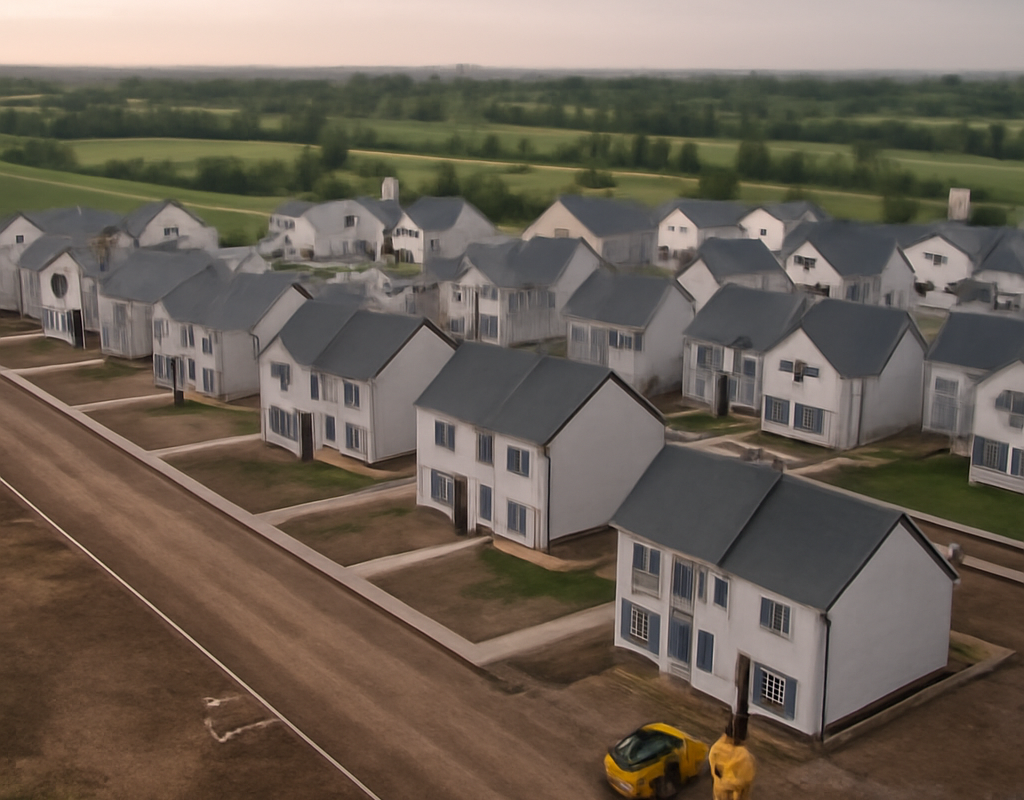
Ireland’s housing debate is entering another critical phase as turnkey housing plans come under renewed attention. The proposal is being examined against a backdrop of long waiting lists, high construction costs and continued pressure on renters and homebuyers.
For people following Breaking News Ireland, the key issue is whether turnkey homes can be delivered quickly, affordably and at the scale needed to make a meaningful difference. The details of the plans, including delivery arrangements and the homes involved, will determine their impact.
What are the turnkey housing plans?
Turnkey housing generally refers to homes that are completed, or close to completion, before being transferred to a public body, approved housing provider or other purchaser. Instead of commissioning every stage of a development separately, the buyer acquires a finished housing project that can be occupied once the necessary checks and connections are completed.
The model can shorten the time between approval and occupation. It may also provide greater certainty around costs and delivery, particularly when public authorities need homes quickly. However, turnkey schemes still depend on suitable sites, planning permission, construction capacity, infrastructure and long-term funding.
Why the proposal matters for Ireland’s housing crisis
Ireland’s housing shortage has affected social housing applicants, private renters and prospective buyers. Rising rents and house prices have made it harder for many households to secure stable accommodation, while construction delays can leave approved projects waiting for years before residents move in.
Turnkey housing plans are therefore being watched closely because they could offer a faster route to additional supply. The approach may be particularly relevant where a developer has already secured land or advanced a project, but needs a guaranteed purchaser to complete delivery.
The potential benefits include:
- faster access to completed homes;
- greater certainty for public housing delivery;
- reduced exposure to construction and market delays;
- the possibility of bringing stalled developments back into use; and
- more predictable planning for local authorities and housing providers.
Those benefits are not automatic. Homes must be in suitable locations, meet quality standards and be supported by schools, healthcare, transport and other public services.
Key questions surrounding turnkey developments
Will the homes be affordable?
The price paid for a turnkey development is central to the debate. A project may be delivered quickly, but its value to the public depends on whether the final cost represents good value and whether the homes are made available to households who need them most.
Affordability also involves more than the purchase price. Ongoing management, maintenance, energy performance and transport costs all affect the long-term value of a home. Efficient buildings located near employment and services can reduce household expenses, while poorly connected developments may create additional pressures.
Where will the homes be built?
Location is likely to be one of the most important tests. Housing supply needs to be matched with demand, but new communities also require roads, public transport, utilities and local amenities. This is especially significant in areas already experiencing pressure on schools, healthcare and commuting networks.
How quickly can homes be occupied?
Turnkey delivery can remove some stages from the process, but it does not eliminate every legal or practical requirement. Before occupation, homes may need inspections, utility connections, fire-safety certification, tenancy arrangements and handover procedures.
That means the public should distinguish between an announcement, a signed agreement, a construction start and the actual allocation of homes. These milestones can occur months or years apart.
How turnkey housing fits into wider government policy
The Irish Government has used several methods to increase housing supply, including direct construction, acquisitions, leasing arrangements and support for private and not-for-profit development. Each model has advantages and limitations.
Direct delivery can give the State greater control over design and allocation. Acquisitions may bring existing homes into use faster. Turnkey arrangements can provide a completed development through an agreed purchase, but they require careful due diligence and contract management.
For the policy to work effectively, public authorities will need to assess:
- construction quality and compliance;
- purchase price and whole-life costs;
- planning and building-control status;
- access to transport and essential services;
- energy performance and operating costs;
- the mix of house types and accessible homes; and
- the timetable for handover and occupancy.
What happens next?
The next stage will depend on the formal details of the plans and any announcements from the relevant government departments, local authorities or housing providers. Readers should look for confirmed information on the number of homes, locations, delivery dates, costs and eligibility arrangements.
If the proposal progresses, implementation will also be closely monitored by elected representatives, housing organisations and communities. Public reporting will be important because housing delivery is measured not only by commitments, but by homes completed and occupied.
Frequently asked questions
What does turnkey housing mean?
It usually means a completed or near-completed housing development is sold or transferred to a purchaser ready for occupation, subject to final checks and legal requirements.
Can turnkey housing solve Ireland’s housing shortage?
No single delivery model can resolve the shortage alone. Turnkey projects may add homes more quickly, but Ireland also needs sustained construction, planning reform, infrastructure investment and affordable long-term housing policy.
Who could benefit from the homes?
That depends on the final scheme. Homes may be allocated through social housing, affordable purchase or other public housing programmes, with eligibility determined by the responsible authority or provider.
What should the public watch for?
The most useful indicators are confirmed contracts, planning status, construction progress, total cost, location, quality standards and the date on which homes become available.
The wider takeaway
Turnkey housing plans could become a useful part of Ireland’s response to its housing emergency, particularly if they bring well-designed homes into use faster than conventional delivery routes. Their success will depend on transparency, value for money and whether the homes are connected to the services communities need.
For anyone tracking Breaking News and Ireland’s housing outlook, the central question is simple: how many suitable homes will be delivered, where will they be located and when can people move in? Until those details are confirmed, the proposal remains an important development to watch rather than a solution already delivered.