

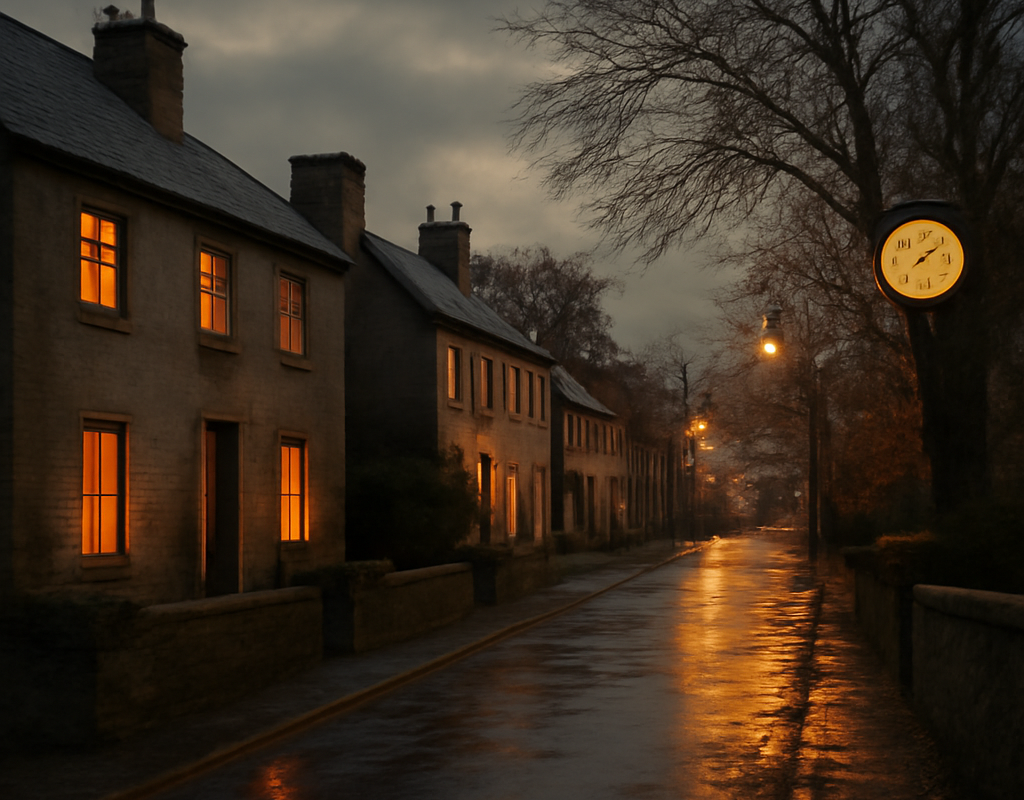
Breaking News Ireland: clocks will go back by one hour tonight as Ireland switches from summer time to winter time. The change means people gain an extra hour in bed, but evenings will become darker earlier from Sunday onward.
What happens when the clocks go back?
At the scheduled changeover, clocks move back by one hour. For people in Ireland, this marks the end of daylight saving time and the return to standard time, commonly known as winter time.
Most phones, computers and connected devices update automatically. However, analogue clocks, car clocks, kitchen appliances and some watches may need to be adjusted manually.
Latest Irish News: why the time change matters
The annual clock change affects daily routines across the country. Sunrise will arrive earlier, while sunset will occur earlier in the evening. That can make mornings feel brighter but may reduce daylight for commuting, shopping and outdoor activities after work or school.
The transition can also be noticeable for children, shift workers and anyone whose sleep schedule is sensitive to changes in routine. Although the clocks provide an extra hour overnight, it may take some people several days to settle into the new pattern.
Key points for households
- Clocks go back by one hour during the overnight change.
- Most internet-connected devices should update automatically.
- Manual clocks and appliances may need to be reset.
- Evenings will become darker earlier.
- Drivers, cyclists and pedestrians should take extra care during darker commuting hours.
Keep up with further Ireland headlines, public-service announcements and practical updates at DailyDigest Ireland.
When do the clocks change in Ireland?
The autumn change takes place overnight, allowing the country to move back to standard time with limited disruption to daytime services. The exact moment can vary depending on the clock system being used, but the practical instruction for households is simple: set manual clocks back one hour before going to bed.
The change follows the established seasonal pattern used in Ireland and across much of Europe. Ireland returns to summer time in spring, when clocks move forward by one hour, before switching back again in autumn.
Travel and transport considerations
People travelling overnight should check journey details with their transport operator, particularly where a trip crosses the clock-change period. Timetables are planned with seasonal time changes in mind, but passengers should still allow extra time and confirm departure information before leaving home.
The same advice applies to airport journeys, rail travel and long-distance bus services. Travellers should rely on the latest information from the relevant operator rather than assuming every digital display or personal device has updated correctly.
Safety advice as darker evenings return
Earlier sunsets bring a seasonal reminder for road users. Drivers should watch for pedestrians and cyclists who may be less visible, while people walking or cycling can improve visibility by using reflective or illuminated clothing and equipment.
Parents and schools may also wish to review children’s routes, especially where the journey home takes place in low light. Simple steps such as choosing well-lit roads, checking crossing points and avoiding distractions can help reduce risk.
Does the clock change affect sleep?
Many people adjust quickly, but the shift can temporarily disturb sleep routines. Maintaining regular bedtimes, limiting bright screens before sleep and getting natural light during the day can make the transition easier.
People who work overnight should take particular care to check their shift arrangements. Employers and staff should follow workplace schedules and confirm whether any overnight duty is affected by the repeated hour.
What happens next?
Ireland will remain on standard time through the winter months. The next seasonal adjustment will take place in spring, when clocks move forward by one hour and summer time resumes.
For now, the most important practical steps are to reset any manual clocks, check overnight travel plans and prepare for darker evenings. The change is routine, but it can affect sleep, commuting and household schedules.
Frequently asked questions
Do the clocks go forward or back tonight?
The clocks go back by one hour, giving people an additional hour overnight.
Will my phone change automatically?
Most smartphones and internet-connected devices update automatically when their time-zone settings are correct. Manual clocks and older appliances may require adjustment.
Will mornings or evenings be brighter?
Mornings will generally be brighter, while evenings will become darker earlier.
Does the time change affect transport?
Transport operators plan schedules around seasonal time changes, but passengers travelling overnight should check the latest timetable and service information.
Conclusion
This Breaking News Ireland update is a routine seasonal change with practical effects for homes, travel and daily life. Set manual clocks back one hour, check overnight arrangements and take extra care on darker evening journeys as Ireland returns to winter time.