

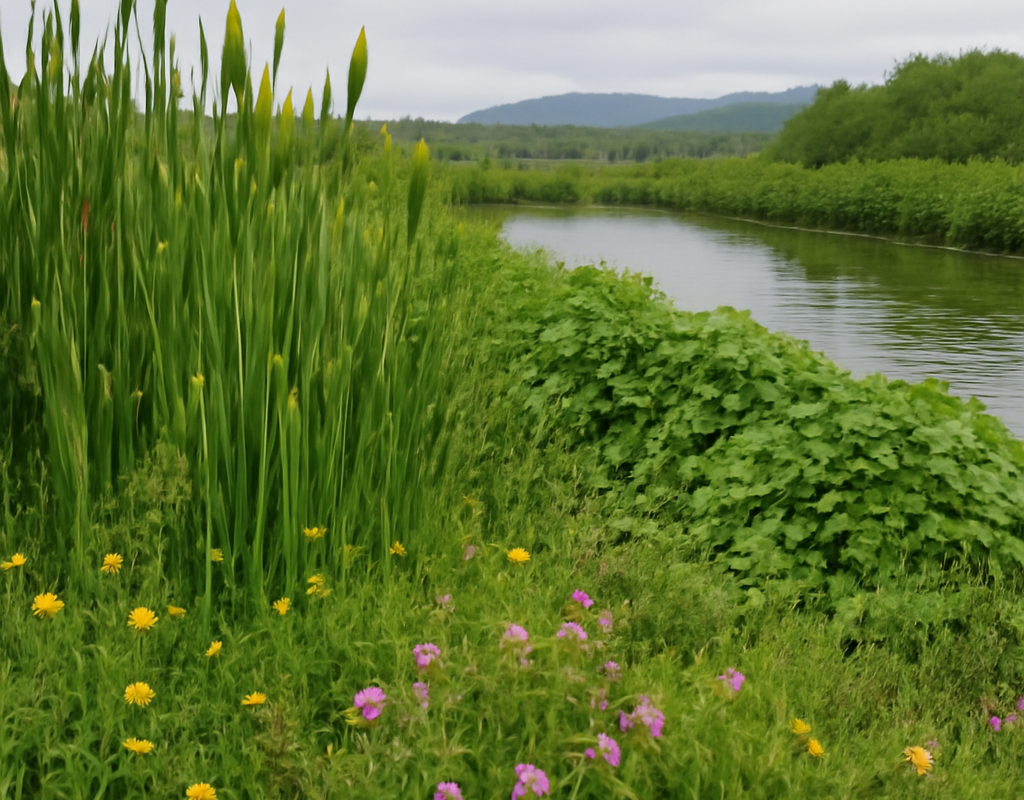
Ireland’s biodiversity is facing increasing pressure from invasive species, which can damage native habitats, disrupt ecosystems and create long-term challenges for conservation. The issue is relevant to communities across the country, from rural landowners and farmers to wildlife groups, anglers and householders.
Why invasive species matter in Ireland
Invasive species are plants, animals or other organisms introduced outside their natural range that cause harm to native wildlife, habitats, infrastructure or the wider economy. Not every non-native species becomes invasive, but those that spread rapidly can be difficult and expensive to control once established.
Ireland’s landscape is particularly sensitive to ecological change. Rivers, lakes, wetlands, woodlands, coastlines and grasslands support a wide range of native species, many of which depend on specific habitats. When an aggressive non-native organism takes hold, it can compete for food and space, alter soil or water conditions, and reduce the diversity of plants and animals.
Breaking News: the main risks to Ireland’s biodiversity
The impact of invasive species can vary widely depending on the organism and the habitat affected. Common concerns include the spread of invasive plants along waterways, the movement of aquatic species between lakes, and the release or escape of non-native animals into the countryside.
Potential consequences include:
- Competition with native plants and animals for sunlight, food, nesting areas and territory.
- Changes to riverbanks, wetlands, soil quality and water ecosystems.
- Reduced habitat quality for pollinators, birds, fish and other native wildlife.
- Higher maintenance costs for landowners, local authorities and public bodies.
- Restrictions on recreation, transport or land management in affected areas.
Some species also spread through ordinary human activity. Soil attached to machinery, boats moved between waterways, garden waste, contaminated footwear and the release of unwanted pets can all contribute to accidental introductions.
How species spread
Transport networks, trade, tourism and gardening can all create pathways for non-native species. Water-based activities are a particular concern because organisms, seeds and fragments can travel on boats, trailers, fishing equipment and clothing.
Simple precautions can reduce the risk. People using rivers and lakes are generally advised to inspect equipment, remove visible material, clean it thoroughly and allow it to dry before moving to another location. Gardeners should also avoid planting known invasive species and should dispose of garden waste responsibly rather than dumping it near waterways or wild areas.
What is being done to protect native wildlife?
Managing invasive species usually involves several stages: identifying the organism, confirming its location, assessing the risk and deciding whether eradication, containment or long-term control is realistic. The response can include physical removal, habitat management, public awareness campaigns and monitoring over time.
Prevention remains one of the most effective tools. Once an invasive species becomes widespread, complete removal may no longer be practical. This is why biosecurity measures, responsible pet ownership, careful movement of equipment and public reporting are important parts of biodiversity protection.
Government departments, environmental agencies, local authorities, landowners, researchers and community groups all have a role. Local knowledge can be especially valuable because residents, anglers, walkers and farmers may notice changes before they appear in formal surveys.
Why this is also an economic and public-service issue
Invasive species are not only a conservation concern. They can affect agriculture, forestry, fisheries, tourism, transport infrastructure and local authority budgets. Species that damage riverbanks, block drainage or interfere with waterways may create additional costs for communities and public services.
The effects can also be felt by people who use the outdoors. Anglers, boat owners, walkers and residents near lakes or rivers may face changes to access, maintenance requirements or recreational conditions. Protecting habitats therefore supports both Ireland’s natural heritage and the communities that depend on healthy landscapes.
What can readers do?
Individuals can help slow the spread of invasive species by following a few practical steps:
- Check outdoor equipment, footwear, boats and trailers after use.
- Remove mud, plants and other visible material before travelling elsewhere.
- Clean equipment carefully and let it dry fully where possible.
- Never release aquarium species, pets or garden plants into the wild.
- Use authorised disposal routes for garden and aquatic waste.
- Record and report suspected sightings with photographs and location details.
What happens next?
The response to invasive species will depend on the organism, its distribution and the habitat at risk. Monitoring is likely to remain important, particularly in waterways, transport corridors and areas where an early intervention could prevent wider spread.
Information is still developing, and individual control measures should follow guidance from the relevant Irish environmental authorities. Members of the public should avoid handling unfamiliar species unless advised to do so, as identification can be difficult and some plants or animals may pose additional health or safety risks.
Frequently asked questions
What is an invasive species?
It is a non-native organism that spreads and causes harm to native species, habitats, infrastructure, human activity or the economy.
How do invasive species reach Ireland?
They may arrive through trade, transport, gardening, tourism, movement of boats and equipment, or the release of unwanted pets and plants.
Can the public help?
Yes. Cleaning outdoor equipment, avoiding releases into the wild, disposing of waste responsibly and reporting suspected sightings can all support early detection and control.
Conclusion
Ireland’s biodiversity depends on healthy, connected habitats, and invasive species can undermine that balance quickly. The most effective response combines prevention, reliable monitoring, official action and public awareness. For readers following Breaking News in Ireland, the practical takeaway is clear: small biosecurity steps and early reporting can help protect native wildlife before a local problem becomes a national one.