

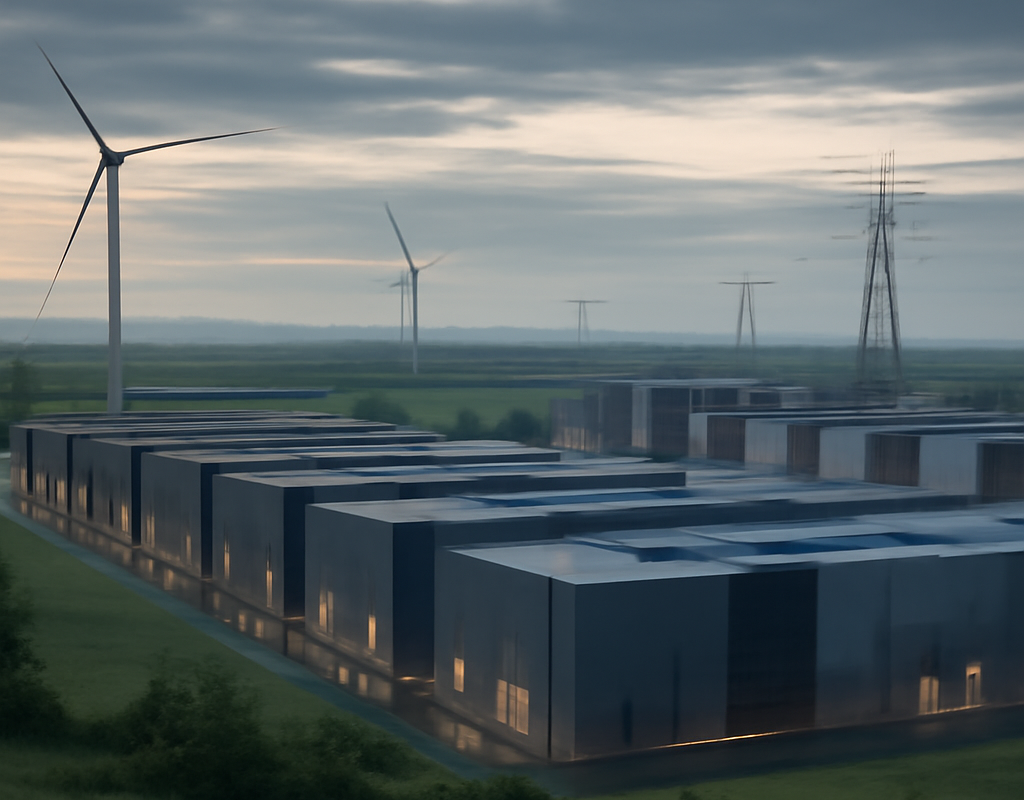
Ireland’s data centre sector is facing renewed scrutiny as questions grow about its relationship with post-Brexit Britain, energy demand and the country’s wider digital strategy. This Breaking News report examines what the developing debate could mean for Ireland’s technology infrastructure, economy and public services.
What is happening with Ireland’s data centres?
Data centres have become a major part of Ireland’s modern economy, supporting cloud computing, online services, financial technology and artificial intelligence. Their rapid growth has also created debate around electricity consumption, grid capacity, planning and the long-term resilience of national infrastructure.
The issue has gained added significance in the post-Brexit environment. Ireland remains closely connected to the United Kingdom through trade, business, telecommunications and energy relationships, even though the UK is no longer part of the European Union. Any change affecting digital infrastructure can therefore have consequences on both sides of the Irish Sea.
The available source material provides limited detail and does not set out a confirmed policy decision, new project approval or specific announcement. The central issue remains a developing one: how Ireland should manage data-centre growth while protecting energy security and meeting wider climate and infrastructure commitments.
Why the data centre debate matters
Ireland’s technology reputation has helped attract international companies and highly skilled employment. Data centres are essential to that digital ecosystem because they store and process the information used by businesses, public bodies and consumers every day.
However, large facilities can place substantial pressure on local electricity networks. Their demand must be considered alongside housing, transport, manufacturing, hospitals and other public services. That makes the subject relevant not only to the technology sector but also to Ireland’s energy policy and future economic planning.
- Energy: New facilities require dependable electricity and connection capacity.
- Planning: Projects must meet land-use, environmental and infrastructure requirements.
- Investment: Ireland wants to remain attractive to international technology companies.
- Climate policy: Expansion must be considered alongside emissions and renewable-energy goals.
- Digital resilience: Critical online services need secure, reliable infrastructure.
How Brexit fits into the discussion
Brexit changed the legal and commercial framework governing relations between Ireland and the UK. While digital services can operate across borders, businesses must still consider issues such as data protection, regulatory compliance, supply chains and connectivity.
Ireland’s position as an English-speaking EU member has made it an important location for multinational technology companies. That advantage has increased the country’s role as a gateway between European markets and global firms. At the same time, greater concentration of digital infrastructure creates questions about resilience and dependence on a limited number of locations or connections.
The debate is not simply about whether data centres should expand. It is also about where infrastructure should be located, how projects should be powered and how the benefits of investment should be balanced against demands on communities and national resources.
What readers should watch next
Further clarity is likely to depend on official decisions and statements from relevant authorities, including energy regulators, planning bodies, government departments and electricity-network operators. The most important developments may include:
- Any new planning applications or infrastructure approvals.
- Updated rules governing electricity connections for large users.
- Government proposals on data centres, artificial intelligence and digital infrastructure.
- Evidence of how projects will use renewable power or support grid stability.
- New arrangements affecting cross-border data flows and technology services.
Until those details are confirmed, it would be premature to describe the situation as a final change in policy. The available information points to an ongoing national conversation rather than a completed decision.
Frequently asked questions
Why are data centres important to Ireland?
They support cloud platforms, online services, financial technology, public-sector systems and other digital operations. They also contribute to Ireland’s attractiveness as a location for international technology investment.
What is the main concern about their expansion?
The main concerns involve electricity demand, grid capacity, planning, environmental impact and whether infrastructure growth is aligned with national climate and economic goals.
Does Brexit directly control Irish data centres?
No. Data centres located in Ireland are governed primarily by Irish and European rules. Brexit can still affect cross-border trade, regulation, connectivity and the relationship between Irish and UK technology markets.
Has a new decision been confirmed?
The supplied material does not confirm a new approval, restriction or government decision. The situation should be treated as developing pending further official information.
Why this story matters for Ireland
The future of data centres sits at the intersection of Irish politics, energy planning, technology investment and public infrastructure. A clear long-term approach will be important if Ireland is to remain competitive while ensuring that electricity networks and climate commitments are not placed under avoidable pressure.
For readers, the practical impact may not be immediately visible. Yet decisions made now could influence energy costs, local planning, technology investment and the reliability of digital services for years to come.
Conclusion
This Breaking News story remains developing, with the available information highlighting questions rather than confirming a final outcome. Ireland’s challenge is to support a growing digital economy while managing data-centre demand responsibly, maintaining energy resilience and navigating its changed relationship with the UK. Further official announcements will be needed before the implications can be assessed with certainty.