

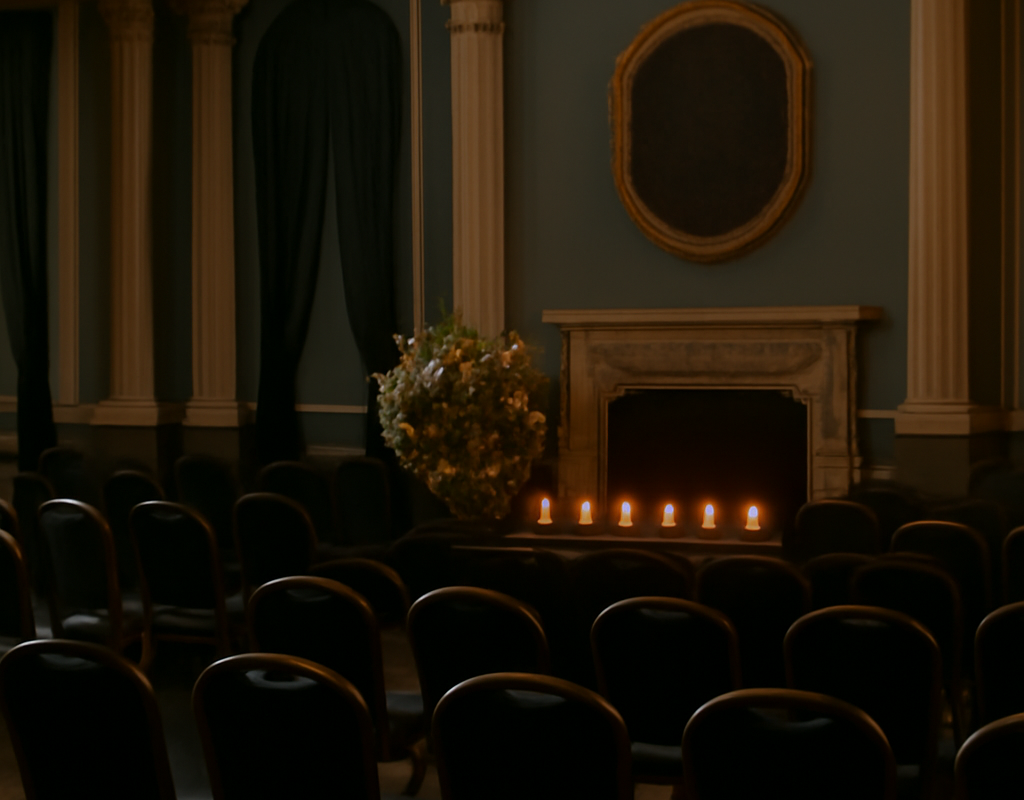
Jews in Ireland are facing what has been described as a hostile atmosphere, a commemoration in Dublin for Holocaust survivor Tomi Reichental was told on Monday night. The warning was delivered during an event at the Round Room of the Mansion House, where speakers reflected on the continuing importance of Holocaust remembrance and the experience of Ireland’s Jewish community.
Jews in Ireland facing growing concern, event hears
Maurice Cohen, chair of the Jewish Representative Council, told attendees that Jews in Ireland had a serious problem and were living in an increasingly difficult environment. His remarks came during a special commemoration for the late Tomi Reichental, who survived the Holocaust and became a prominent voice for remembrance and education.
The event placed current concerns facing the Jewish community alongside the historical memory of Nazi persecution. Organisers and attendees were reminded that commemorations are not only about the past; they also create an opportunity to challenge hatred, prejudice and antisemitism in the present.
The Mansion House gathering formed part of Ireland’s continuing public engagement with Holocaust remembrance. It also highlighted the importance of listening to minority communities when they report fear, hostility or discrimination.
- A Dublin commemoration was held for Holocaust survivor Tomi Reichental.
- Maurice Cohen said Jews in Ireland were facing a hostile atmosphere.
- The event connected Holocaust remembrance with concerns about antisemitism today.
Why the commemoration matters
Tomi Reichental was widely associated with Holocaust education and survivor testimony. His story helped generations of people in Ireland understand the human consequences of antisemitism, racism and authoritarian persecution.
Public testimony from Holocaust survivors has played a central role in Ireland’s remembrance work. As the number of living survivors declines, commemorations and educational programmes have become increasingly important for preserving first-hand accounts and ensuring that historical lessons remain accessible.
The Dublin event therefore carried both a personal and public significance. It honoured Reichental’s life while asking how Irish society should respond when Jewish people say they feel unsafe or unwelcome.
Antisemitism and the Irish context
Antisemitism can appear in many forms, including threats, harassment, conspiracy theories, vandalism, discrimination and the denial or distortion of the Holocaust. It may also become more visible during periods of international tension, when events overseas are wrongly used to target Jewish people in Ireland.
Jewish communities are not responsible for the actions of foreign governments, political groups or military forces. Treating people as collectively responsible because of their religion or identity is discriminatory and can deepen fear within communities already concerned about hostility.
For Ireland, the issue extends beyond Jewish community organisations. It concerns schools, workplaces, public institutions, online platforms and law enforcement. A safe civic environment depends on clear condemnation of antisemitism and effective action when threats or crimes are reported.
What was said at the Dublin event?
The central message from the commemoration was that remembrance must be linked to vigilance. Maurice Cohen’s warning about the atmosphere facing Jews in Ireland gave the event a direct contemporary focus, rather than allowing Holocaust remembrance to remain solely historical.
The remarks also underlined the value of public forums such as the Mansion House gathering. These events allow community representatives, public figures and members of the wider public to acknowledge the continued effects of hatred and to consider how institutions can respond.
What happens next?
The concerns raised at the commemoration are likely to keep attention focused on antisemitism, community safety and the role of public education. Any specific allegation or incident would require assessment through the appropriate authorities and relevant support organisations.
For readers, practical steps include reporting threats or suspected hate crimes to An Garda Síochána, supporting accurate Holocaust education and avoiding the spread of unverified claims online. Schools and community groups can also help by teaching the difference between legitimate political debate and prejudice directed at an ethnic or religious group.
Frequently asked questions
Who was Tomi Reichental?
Tomi Reichental was a Holocaust survivor who became known in Ireland for sharing his experiences and supporting Holocaust remembrance and education.
Where was the commemoration held?
The event took place in the Round Room at Dublin’s Mansion House.
What concern was raised at the event?
Maurice Cohen, chair of the Jewish Representative Council, said Jews in Ireland were facing a hostile atmosphere.
Why is Holocaust remembrance still relevant?
Remembrance preserves the testimony of survivors and helps society recognise how antisemitism, racism and dehumanising propaganda can lead to persecution and mass violence.
Follow DailyDigest for further Ireland News, public affairs reporting and verified news updates as this story develops.
Conclusion
The Dublin commemoration for Tomi Reichental delivered a clear message: remembering the Holocaust must include confronting hostility directed at Jewish people today. For Jews in Ireland, public recognition of their concerns matters, but so do practical measures that protect safety, dignity and equal participation in Irish society.
As Ireland follows the latest Irish news, the event offers an important reminder that combating antisemitism is a shared responsibility. Holocaust remembrance is strongest when it informs action, challenges prejudice and protects communities from the hatred that history has already shown can have devastating consequences.