

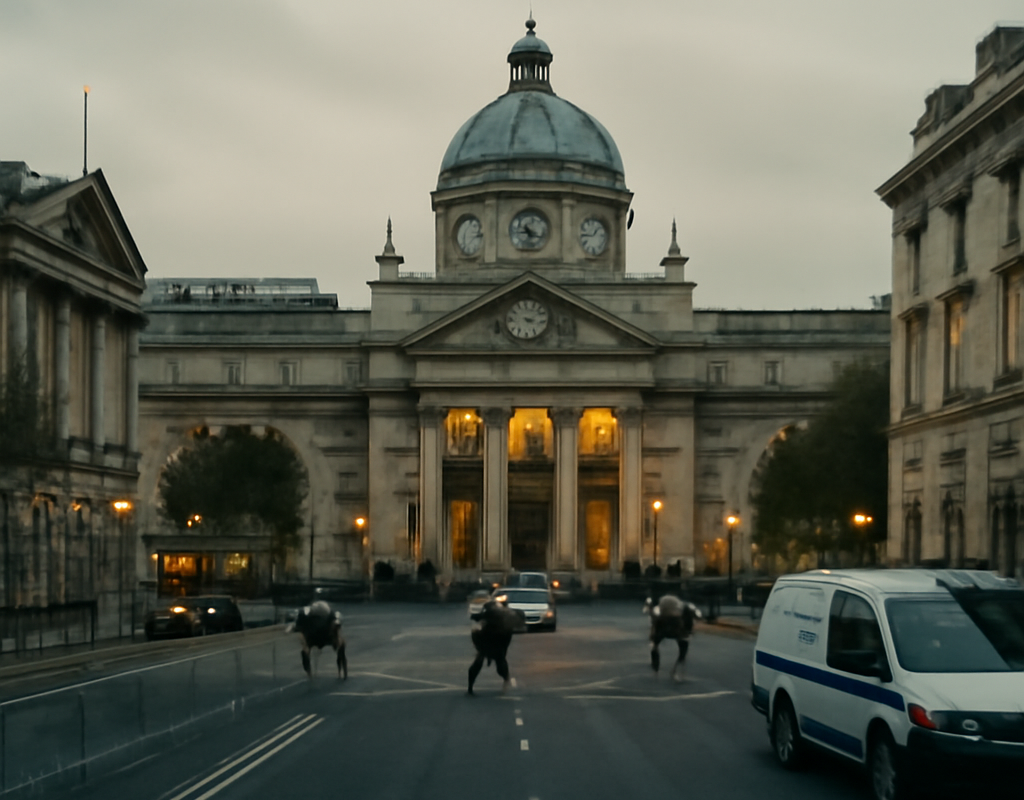
Dublin is preparing for significant travel and security measures as European leaders gather for a meeting of the European Political Community (EPC). The summit is expected to affect traffic, public transport and access around parts of the capital, making this a key story for commuters, residents and visitors.
The event forms part of the latest Ireland news agenda and is likely to generate rolling updates as authorities manage movements linked to the high-level gathering. People travelling through Dublin should allow extra time and check official travel information before setting out.
What is happening in Dublin?
European leaders are meeting in Dublin for an EPC summit, bringing together heads of government and senior representatives from across the continent. Such events require extensive coordination between national authorities, An Garda Síochána, transport providers and venue security teams.
The main impact for the public is expected to be disruption rather than a change to normal services. Temporary road closures, traffic controls, security cordons and altered access arrangements may be introduced as delegations travel between locations.
Who may be affected?
- Drivers travelling through central Dublin and routes connected to summit venues
- Bus passengers facing diversions, delays or temporary stop changes
- Rail and public transport users connecting through Dublin city
- Businesses, residents and visitors near restricted areas
- People travelling to or from Dublin Airport during summit movements
Why the EPC summit matters
The European Political Community provides a forum for European countries to discuss shared political, security and economic concerns. It is separate from the formal institutions of the European Union, although EU member states participate alongside other European countries.
Summits of this kind are designed to support dialogue on issues that cross national borders. Depending on the agenda, discussions can include security, energy, migration, economic resilience and cooperation between European governments.
For Ireland, hosting an international summit places Dublin in the centre of European diplomacy while also creating practical challenges for the city. The balance between secure travel for visiting delegations and maintaining normal daily life is a major operational priority.
Follow further Ireland headlines and public-service updates at DailyDigest.
Travel advice for commuters
Anyone travelling in Dublin should check the latest information from transport operators and official authorities before leaving home. Conditions can change quickly when road restrictions are linked to official movements.
- Leave additional time for your journey.
- Check bus diversions and stop changes before travelling.
- Consider rail, walking or cycling where practical.
- Avoid restricted areas unless your journey requires access.
- Follow instructions from Gardaí and transport staff.
Drivers should not rely solely on satellite-navigation estimates, as temporary closures may not appear immediately in mapping services. Public transport passengers should also allow for crowding or delays at busy interchange points.
What authorities and services are likely to manage
Security planning for an international summit normally involves coordination across policing, emergency response, transport and diplomatic teams. Gardaí may implement traffic management measures and controlled access points where necessary.
Transport operators can also adjust services to reflect changing road conditions. That may mean short-term diversions, delayed departures or temporary restrictions around specific locations. Travellers should use official operator channels for the most reliable updates rather than depending on unverified social media posts.
Residents and businesses in affected areas should keep an eye out for local notices and follow any instructions relating to deliveries, parking or pedestrian access.
What happens next?
Further details about the precise timing and location of restrictions may be issued as the summit approaches or while delegations are moving through the city. The situation remains event-related and may change throughout the day.
For readers looking for news today, the most useful information will be practical: which roads are affected, whether public transport is operating normally and how long delays are expected to last. These details should be confirmed through official updates from An Garda Síochána, Dublin City Council, Dublin Airport and individual transport providers.
Frequently asked questions
What is the EPC summit?
The European Political Community summit is a meeting of European leaders focused on cooperation and shared political, security and economic issues.
Will Dublin roads be closed?
Traffic restrictions and temporary closures may be required for security and official movements. The exact locations and timings should be checked through official Dublin traffic and Garda updates.
Will public transport be affected?
Bus routes may face diversions or delays if roads are restricted. Rail services and airport connections may also experience knock-on delays, so passengers should check directly with operators.
How can people plan their journeys?
Check official travel information before departure, allow extra time, avoid restricted areas and follow directions from Gardaí and transport staff.
Conclusion
The EPC summit places Dublin at the centre of an important European diplomatic gathering, but it also means disruption for people moving around the capital. The key takeaway from this Breaking News Ireland story is to plan ahead, use official sources and expect journey times to vary while security and traffic measures remain in place.