

Jewish people in Ireland are facing an increasingly hostile atmosphere, speakers told a Dublin commemoration honouring Holocaust survivor Tomi Reichental. The event at the Mansion House heard concerns about antisemitic abuse in schools and universities, alongside a warning that heightened security has become part of everyday life for the country’s Jewish community.
What happened at the Dublin commemoration?
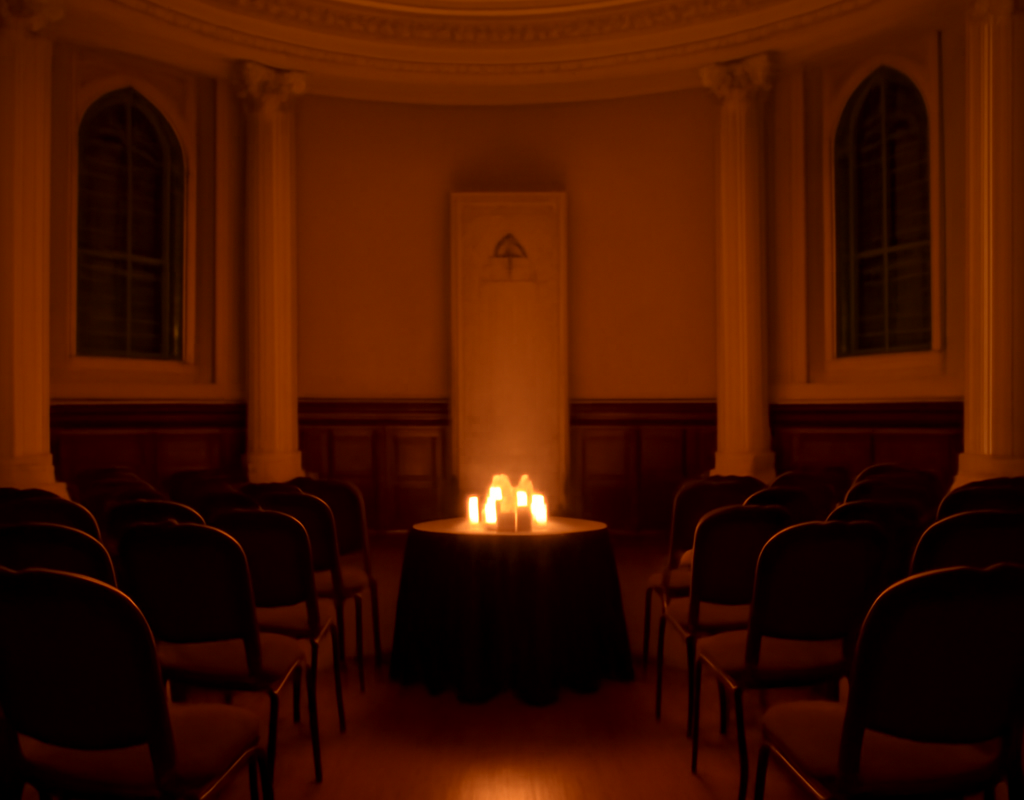
The special event took place in the Round Room of the Mansion House on Monday night. It brought together representatives of Ireland’s Jewish community, public officials, diplomats, religious leaders and members of the Reichental family to remember Tomi Reichental and reflect on the continuing importance of Holocaust education.
Maurice Cohen, chair of the Jewish Representative Council, said Jewish children and teenagers were being subjected to abusive language because of their identity. He also described Jewish students as facing isolation and intimidation in university settings.
His remarks framed the gathering as both a commemoration and a warning about the impact of antisemitism in contemporary Ireland.
- The event honoured Holocaust survivor Tomi Reichental.
- It was held at Dublin’s Mansion House.
- Speakers raised concerns about antisemitism in schools, universities and public life.
- The Reichental family announced a new lecture series beginning next year.
Family warns that hatred is becoming normalised
David Reichental, Tomi’s son, said the period since Hamas’s attacks on Israel on October 7th, 2023, had brought renewed fears about safety and public attitudes towards Jewish people.
He stressed that present circumstances should not be equated with the history of Nazi persecution. However, he said the language used about Jews and the willingness of some people to express hatred openly had created painful echoes of the past.
David Reichental also referred to the danger of language narrowing public debate. His warning was that repeated hostile claims can become familiar, then accepted, and eventually influence behaviour. That concern is particularly significant in schools and universities, where young people may encounter antisemitic abuse alongside wider arguments about the Israel-Hamas conflict.
He recalled how security arrangements at his family’s synagogue had changed over the years. Gates that were once open were later closed, guards were introduced and Gardaí are now present inside and outside the building on some high holy days.
While expressing gratitude to Gardaí, he questioned why Jewish families had been required to adapt to such measures as a normal part of religious life.
Tomi Reichental’s life and Holocaust education legacy
Tomi Reichental was nine years old when he and his family were taken from Slovakia to Bergen-Belsen concentration camp in 1944. He survived until the camp was liberated by British forces in 1945, but as many as 35 members of his extended family died in concentration camps.
After moving to Ireland in 1959, Reichental devoted much of his later life to Holocaust education. He spoke to an estimated 90,000 children in schools across Ireland, wrote two related books and worked on three documentaries with filmmaker Gerry Gregg.
His work helped bring first-hand testimony into classrooms at a time when fewer Holocaust survivors remain able to speak publicly about their experiences. The Mansion House event emphasised that remembering the Holocaust also involves challenging prejudice in the present.
Why Holocaust remembrance remains relevant in Ireland
Holocaust remembrance is not only about historical knowledge. It also raises questions about how societies respond when minorities are targeted, excluded or blamed because of their identity.
For Ireland’s Jewish community, the speakers’ concerns included:
- Abuse directed at Jewish children in schools.
- Hostility towards Jewish teenagers and students.
- Pressure on Jewish people to explain or defend their identity.
- The need for visible Garda protection at religious sites.
- Fear that antisemitic language is becoming more socially acceptable.
These issues sit within a wider and deeply contested international debate following the October 7th attacks and the war in Gaza. Criticism of the actions of governments must not become hostility towards Jewish people as a group. The distinction between political argument and antisemitic abuse remains central to protecting both free expression and community safety.
Follow further Ireland News and social affairs coverage at DailyDigest.
New Tomi Reichental lecture series announced
At the close of the commemoration, Jonathan Reichental announced that the family was establishing the Tomi Reichental Lecture Series. It is due to begin next year and will continue the educational work associated with Reichental’s life.
The announcement provides a practical way to preserve his legacy. A lecture programme can support discussion of Holocaust history, antisemitism, human rights and the responsibilities of public institutions, while ensuring that Reichental’s testimony remains accessible to future generations.
Who attended the event?
Those taking part included Dublin Lord Mayor Daryl Barron, Minister of State Thomas Byrne, German ambassador David Gill, Slovakian ambassador Viera Motesicka, Veronica Reichental, Rabbi Zalman Lent, Chief Rabbi Yoni Wieder and filmmaker Gerry Gregg.
Music was performed by Conor Lenihan, Istvan Barnacz and Joshua Reichental. The attendance of diplomatic, political, religious and cultural representatives reflected the significance of the commemoration for Ireland’s public conversation about Holocaust memory and antisemitism.
Frequently asked questions
Who was Tomi Reichental?
Tomi Reichental was a Holocaust survivor who lived in Ireland from 1959 and became widely known for speaking to schoolchildren about his experiences during the Holocaust.
Where was the commemoration held?
The event was held in the Round Room at Dublin’s Mansion House.
What concerns were raised?
Speakers described antisemitic abuse affecting Jewish children, teenagers and university students. They also discussed the security measures required at synagogues during some religious observances.
When will the new lecture series begin?
The Tomi Reichental Lecture Series is scheduled to begin next year, according to the family announcement made at the event.
Conclusion
The Dublin commemoration delivered a clear message: remembering the Holocaust must include confronting antisemitism when it appears in schools, universities, public debate or daily life. The testimony and warnings shared by Tomi Reichental’s family underline why Holocaust education remains essential. For anyone following Breaking News Ireland, the creation of the new lecture series offers a lasting way to carry that work forward while keeping attention focused on the safety and dignity of Jewish people in Ireland.