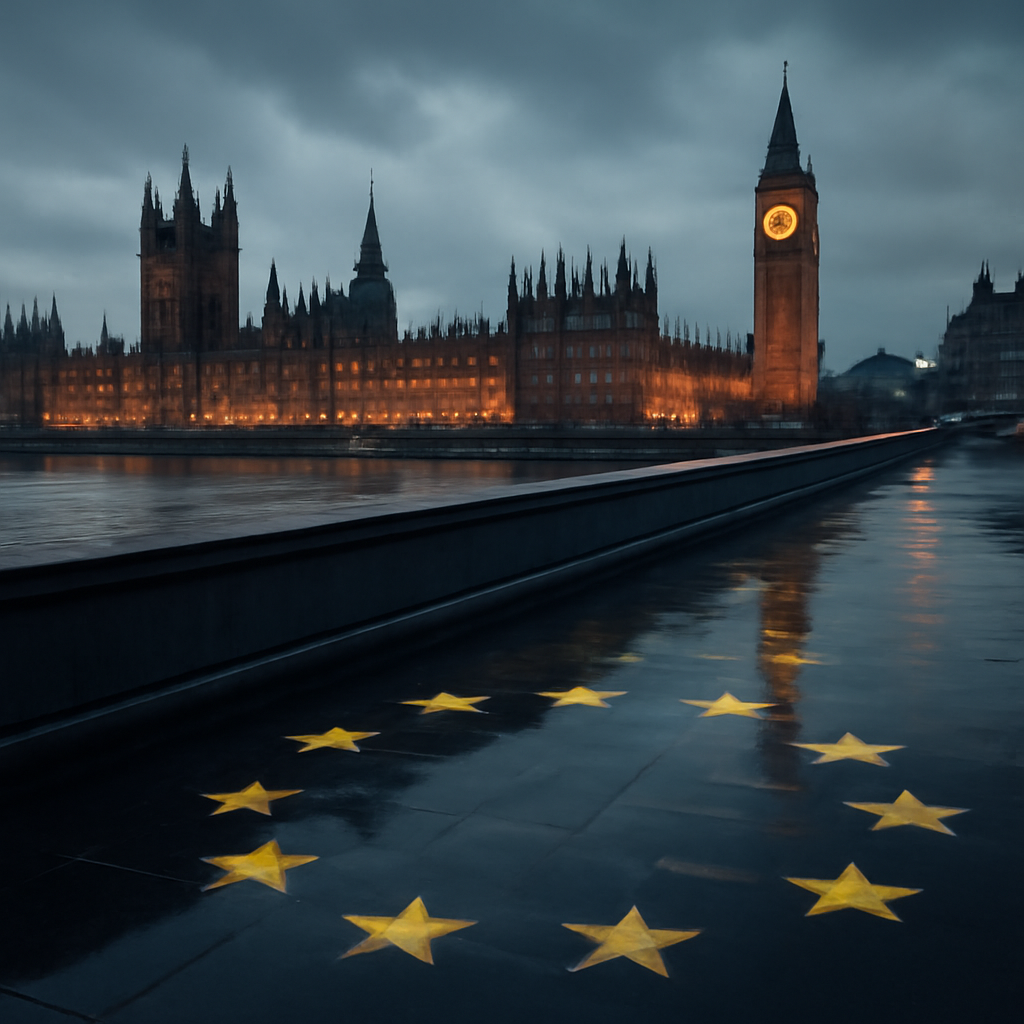
Andy Burnham has argued that the United Kingdom should keep open the possibility of rejoining the European Union, putting the country’s long-term relationship with Europe back into the spotlight. His intervention adds to growing debate about Brexit, trade, migration, public services and the future direction of UK politics.
What happened?
Greater Manchester Mayor Andy Burnham said the UK should not permanently rule out returning to the European Union. The comments place one of Britain’s most prominent Labour figures at the centre of a renewed discussion about whether Brexit should remain the country’s settled position.
Burnham’s position does not amount to an immediate plan for the UK to seek EU membership. Instead, it reflects an argument that future governments should retain the freedom to revisit the decision as circumstances change.
Why Andy Burnham’s EU comments matter
The question of the UK’s relationship with Europe remains politically sensitive. The 2016 referendum resulted in a vote to leave the EU, and the UK formally departed the bloc in 2020. Since then, businesses, public bodies and households have continued to adjust to new trading, travel and regulatory arrangements.
Calling for the possibility of rejoining the EU to remain open is significant because membership would involve major political and economic choices. A future application would require negotiations with EU institutions and the agreement of every existing member state.
The debate also reaches beyond Westminster. Changes to the UK’s European relationship affect people in Northern Ireland, cross-border communities on the island of Ireland, exporters, students, workers and families with connections across the continent.
Follow the latest Ireland News, Irish Politics and public policy coverage at DailyDigest.
Brexit and the question of closer European ties
The UK’s post-Brexit relationship with the EU is based on agreements covering areas such as trade and cooperation. Those arrangements are different from membership of the single market, customs union or the EU itself.
Supporters of closer alignment say stronger links could reduce friction for companies, improve mobility and make cooperation easier in areas including security, research and environmental policy. Those who oppose rejoining argue that Brexit restored national decision-making and that returning to the EU would reopen constitutional and democratic questions.
For voters, the practical issues are often more immediate than the constitutional argument. European travel rules, customs checks, product standards, recruitment and access to opportunities abroad all form part of the continuing Brexit debate.
What could rejoining the EU involve?
Any future attempt to rejoin would be a lengthy diplomatic and political process. The UK would have to submit an application under the EU treaties, meet the bloc’s membership criteria and negotiate the terms of accession.
Possible areas of negotiation could include:
- Participation in the EU single market and customs arrangements
- Movement rights for citizens, workers and students
- Financial contributions and access to EU programmes
- Regulatory alignment across goods and services
- Arrangements affecting Northern Ireland and the wider UK-Ireland relationship
There is no guarantee that the terms would mirror the UK’s previous membership. Any settlement would depend on negotiations with the EU and the political priorities of the government making the application.
Relevance for Ireland and Northern Ireland
Developments in UK-EU relations are closely watched in Ireland. The Common Travel Area allows Irish and British citizens to move between the two countries under long-standing arrangements, while trade and daily life connect communities on both sides of the border.
Brexit also created particular challenges for Northern Ireland because the region shares a land border with the Republic of Ireland. The Windsor Framework governs important parts of the movement of goods between Great Britain, Northern Ireland and the EU.
Any major change in Britain’s European policy would therefore have implications for Ireland Today, Northern Ireland News and the wider political relationship between Dublin, Belfast, London and Brussels.
What happens next?
Burnham’s remarks are unlikely to trigger an immediate change in government policy. The current debate is more likely to focus on practical steps that could bring the UK closer to the EU without pursuing full membership.
Those measures could include improving trade arrangements, strengthening cooperation in research and education, and reducing barriers affecting businesses and travellers. Whether such proposals gain support will depend on political leadership, public opinion and the outcome of future elections.
For now, the confirmed development is political rather than procedural: a senior UK politician has argued that rejoining the EU should remain a possible long-term choice. No application to rejoin has been announced.
Frequently asked questions
Has the UK decided to rejoin the EU?
No. Andy Burnham’s comments represent a political position, not a government decision or formal membership application.
When did the UK leave the EU?
The UK formally left the European Union on 31 January 2020. A transition period followed before the main post-Brexit arrangements took effect.
Would rejoining happen quickly?
No. Any application would require negotiations, agreement from EU member states and compliance with the conditions for membership. It would be a long-term process.
Why is this important for Ireland?
Ireland has close economic, social and political links with the UK. Changes to UK-EU relations can affect trade, travel, Northern Ireland and cross-border cooperation.
Conclusion
Andy Burnham’s call to keep EU membership on the table has reopened one of the most consequential questions in British politics. It does not signal an imminent return to the bloc, but it shows that the future of Brexit remains contested. For readers following Breaking News Ireland and the latest European developments, the key issue now is whether the debate leads to practical closer cooperation or remains a long-term political argument.