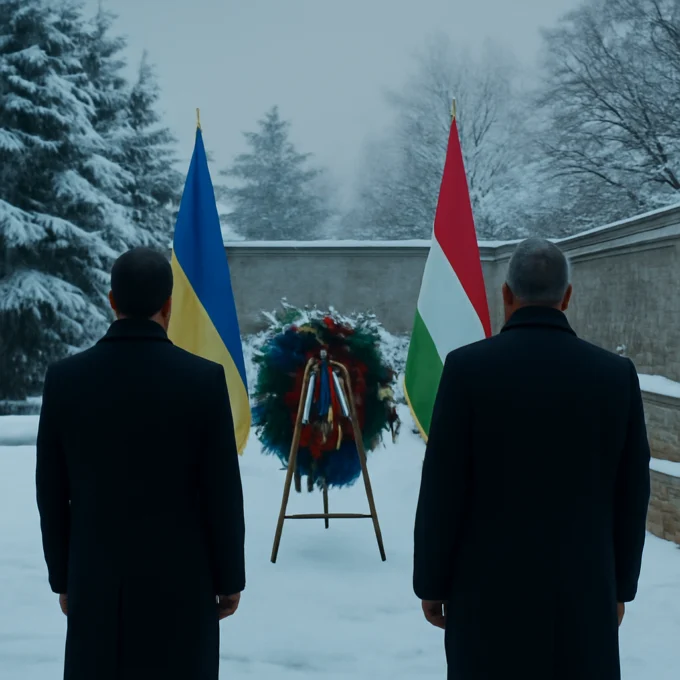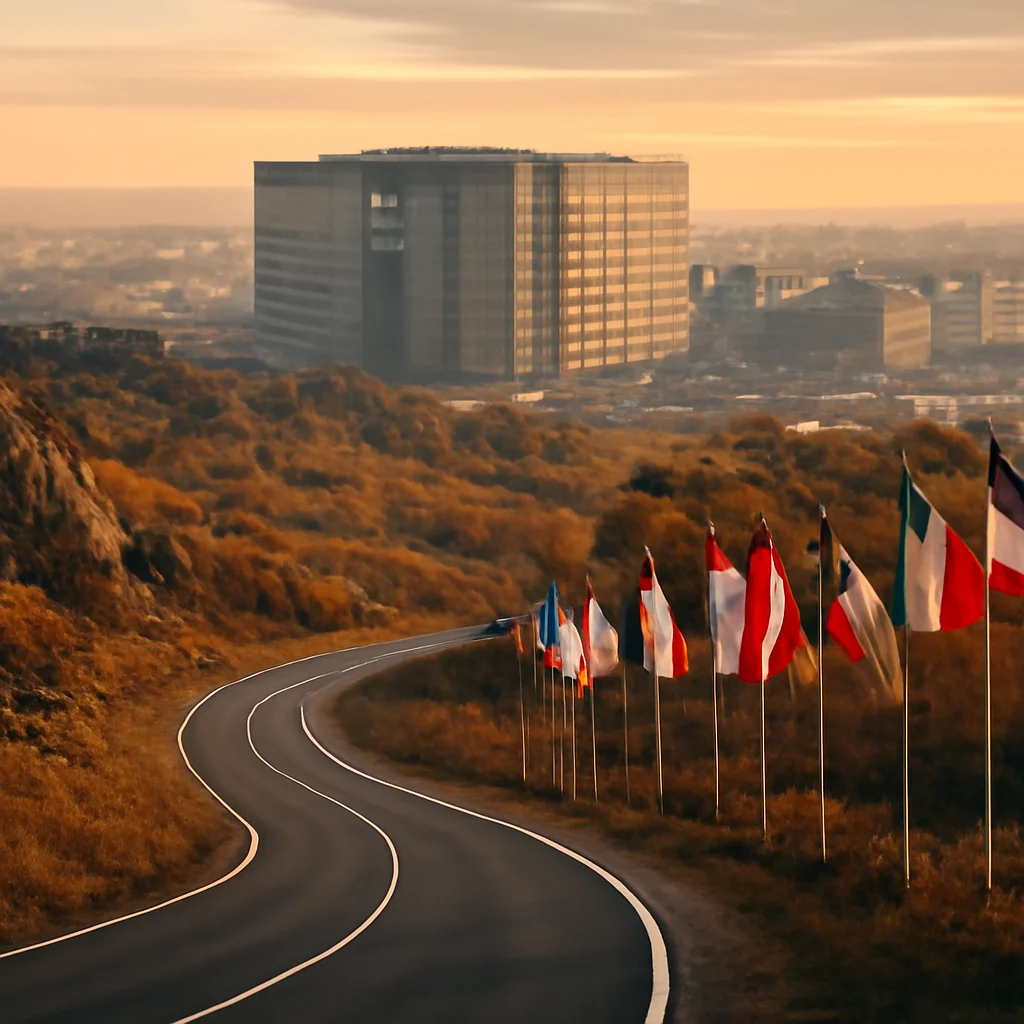
The latest EU news from Brussels highlights both the promise and the political complications facing the Western Balkans as leaders meet to discuss enlargement, economic integration and security cooperation. While Montenegro is approaching the final stage of negotiations, Serbia’s absence underlines how difficult the region’s path to membership remains.
Western Balkans summit focuses on EU enlargement
EU leaders are meeting representatives from the Western Balkans in Brussels to discuss the region’s future relationship with the European Union. The summit is expected to produce supportive statements about shared European interests, but major disagreements remain over foreign policy, the rule of law and unresolved bilateral disputes.
Serbia is notably absent from the meeting. The country is in the process of forming a new government following parliamentary elections, while its newly elected parliamentary speaker and acting president, Aleksandar Čupić, has cited urgent parliamentary responsibilities.
Serbia is also not expected to endorse the summit declaration. That avoids an immediate public position on two of the most sensitive issues in its relationship with the EU:
- Aligning more closely with EU foreign policy towards Russia
- Normalising relations with Kosovo
The tensions surrounding Serbia and Kosovo were highlighted by a dispute over a Serbian nationalist song played at an EU enlargement conference the previous week. The episode showed how cultural and political sensitivities continue to complicate European Union enlargement.
Montenegro nears the EU accession finish line
Montenegro is widely regarded as the Western Balkan country closest to joining the EU. Brussels is aiming to have an accession treaty ready for signature by June, although two significant obstacles could still delay progress.
Border dispute with Croatia
Croatia has increased pressure on Montenegro to resolve a longstanding border disagreement. Italy, however, has argued that enlargement should be judged primarily on the candidate country’s own progress rather than bilateral disputes.
Concerns over a proposed probation period
A second issue is a proposed ten-year probation period for new members. Under the idea being discussed, voting rights could potentially be suspended if a member seriously breaches EU rule-of-law standards.
The proposal reflects concerns about repeating the experience of disputes involving Hungary and Prime Minister Viktor Orbán. Montenegro, meanwhile, wants reassurance that membership would not leave it as a second-class participant in the Union.
EU funding and closer economic integration
The summit is not limited to accession negotiations. Economic links and security cooperation are also central to discussions, with payments expected for Albania, Montenegro and North Macedonia under the EU’s €6 billion regional Growth Plan.
Officials are also advancing plans to extend the EU’s roaming-free mobile phone arrangements to the Western Balkans. Such a measure would offer a practical benefit for citizens and businesses while helping bring the region closer to the European single market.
The political opportunity for enlargement may nevertheless be temporary. Elections in France next spring could affect the debate over the EU’s future size and the willingness of member states to support further expansion.
Migration dispute exposes divisions among European Socialists
Elsewhere in European politics, Danish Prime Minister Mette Frederiksen is facing criticism from fellow Socialists and Democrats over her approach to migration and national identity.
At issue are comments in a Danish podcast about population replacement, an “original tribe” and the preservation of a strong majority culture. Critics say the language echoes far-right conspiracy theories. Portuguese and German MEPs raised objections at a meeting in Strasbourg, after which S&D leader Iratxe García Pérez promised a formal debate.
Frederiksen’s restrictive migration policies have helped weaken Denmark’s far right domestically, but they have also made her an uncomfortable figure within Europe’s centre-left. Her support for a proposed migrant return hub in Rwanda, alongside Austria, Germany, Greece and the Netherlands, is particularly controversial because the S&D group opposes such facilities.
No disciplinary action is expected at this stage. However, the dispute illustrates the wider challenge facing Social Democratic parties: whether they can support tougher migration policies without abandoning their principles on human rights and international protection.
Other major developments in EU affairs
The Brussels agenda also includes several important items across European current affairs:
- Parliamentary coalition: The leaders of the EPP, S&D and Renew Europe are negotiating an agreement for the second half of the European Parliament’s term. Renew is seeking assurances over cooperation with far-right parties before backing Roberta Metsola’s re-election as Parliament president.
- Russian energy: Energy Commissioner Dan Jørgensen said the EU will not return to Russian energy, even if diplomatic developments lead to an end to sanctions. He also warned that consumers could face a difficult winter.
- Climate diplomacy: The European Commission is considering reforms to UN climate summits following criticism of COP31, including greater transparency and more efficient negotiations.
- Asylum law: The European Court of Human Rights found that Poland and Latvia subjected people attempting to cross from Belarus in 2021 to inhuman or degrading treatment. The ruling could influence similar cases.
- Trade with China: The Commission has capped Chinese hybrid car imports at 191,780 vehicles between December and June. The measure forms part of wider efforts to protect European manufacturers and address the EU’s trade deficit with China.
- Quantum technology: The EU is unveiling a Quantum Act intended to strengthen Europe’s position in the sector by 2030 while addressing the threat that future quantum computers could break existing encryption.
What the latest EU news means for enlargement
The Western Balkans summit demonstrates that EU enlargement is again a central part of European affairs, but political declarations alone will not resolve the region’s challenges. Progress will depend on reforms, alignment with EU foreign policy, stronger rule-of-law safeguards and settlements to long-running disputes.
Montenegro’s potential accession treaty would be a significant milestone, yet the proposed probation rules show that Brussels is seeking stronger protections before admitting new members. For Serbia and other candidate countries, the summit also reinforces the importance of decisions on Russia, Kosovo and democratic governance.
The clearest takeaway from this latest EU news is that the road to Brussels remains open, but it is neither short nor straightforward. Financial support and closer integration may build momentum, while unresolved political questions will determine how quickly the Western Balkans can move from candidates to full members.