

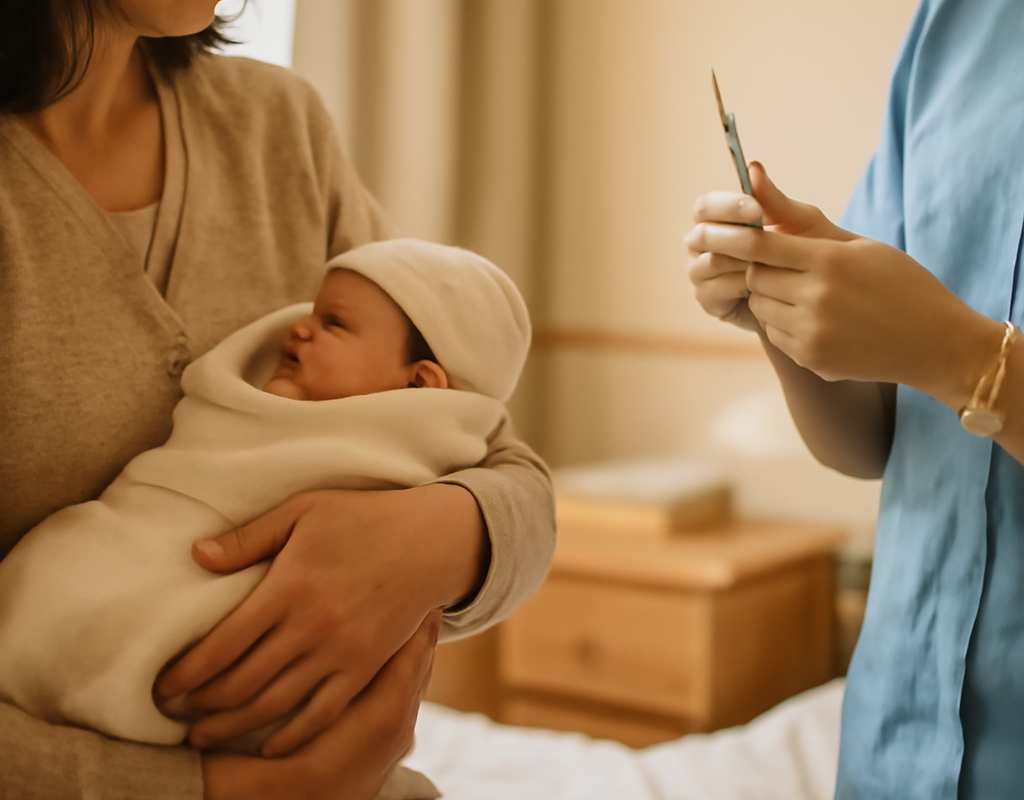
Parents across Dublin and the south-east are being urged to arrange RSV immunisation for eligible babies as the HSE’s 2026–2027 infant programme gets underway. The free protection is designed to reduce serious respiratory illness and hospitalisation during the autumn and winter RSV season.
RSV immunisation offered through hospitals and GPs
The Health Service Executive (HSE) is providing a single dose of nirsevimab, an antibody immunisation that offers immediate protection against severe respiratory syncytial virus infection. The programme is available through maternity hospitals and participating GP practices, with the route depending on when a baby was born.
- Babies born from 1 September 2026 to 28 February 2027 will generally be offered RSV immunisation in maternity hospitals before going home, where possible.
- Babies born from 1 March to 31 August 2026 can receive the immunisation through participating GP practices.
- Babies at higher risk of serious RSV illness will be assessed through a specialist pathway.
Parents should contact their maternity hospital, participating GP practice or healthcare professional if they are unsure where their baby can receive the immunisation.
Why RSV immunisation matters for infants
RSV is a common and highly contagious winter virus. Although it often causes mild cold-like symptoms, it can lead to bronchiolitis, lower respiratory tract infection and hospital treatment, particularly in young babies experiencing their first winter.
According to the HSE, the immunisation prevents more than 80% of RSV-associated hospitalisations. Evidence from Ireland’s programme also indicates that RSV-related hospitalisations among babies born during the RSV season fell by 70% last winter.
More than 37,000 infants received protection last winter. Among babies born between September and February, 88% received the immunisation in maternity hospitals, while uptake among high-risk infants reached 100%. The programme was estimated to prevent more than 1,000 emergency department presentations, hospitalisations and intensive care admissions across the eligible groups.
Can it be given with routine vaccines?
Yes. The Irish College of General Practitioners has advised that RSV immunisation can be administered safely alongside routine childhood vaccinations. Parents do not need to postpone scheduled vaccines, but should discuss any concerns with their healthcare professional.
Read more
What parents should do now
- Check whether your baby falls within the 2026–2027 eligibility dates.
- Ask the maternity hospital or participating GP practice about availability.
- Arrange protection as early as possible before RSV activity increases.
- Visit HSE.ie/RSV for official eligibility and programme information.
The programme is part of Ireland’s wider public health response, alongside guidance from organisations including the HSE, Health Information and Quality Authority (HIQA) and the Health Products Regulatory Authority (HPRA). Parents should rely on qualified healthcare professionals and official sources for individual medical advice.
Explore more
Key takeaway for families
RSV can become serious quickly in very young babies, but timely RSV immunisation provides strong seasonal protection and is free through the HSE programme. Eligible parents should contact the appropriate hospital or GP practice promptly so their baby can benefit throughout the winter.
Article/Image Courtesy: HSE