

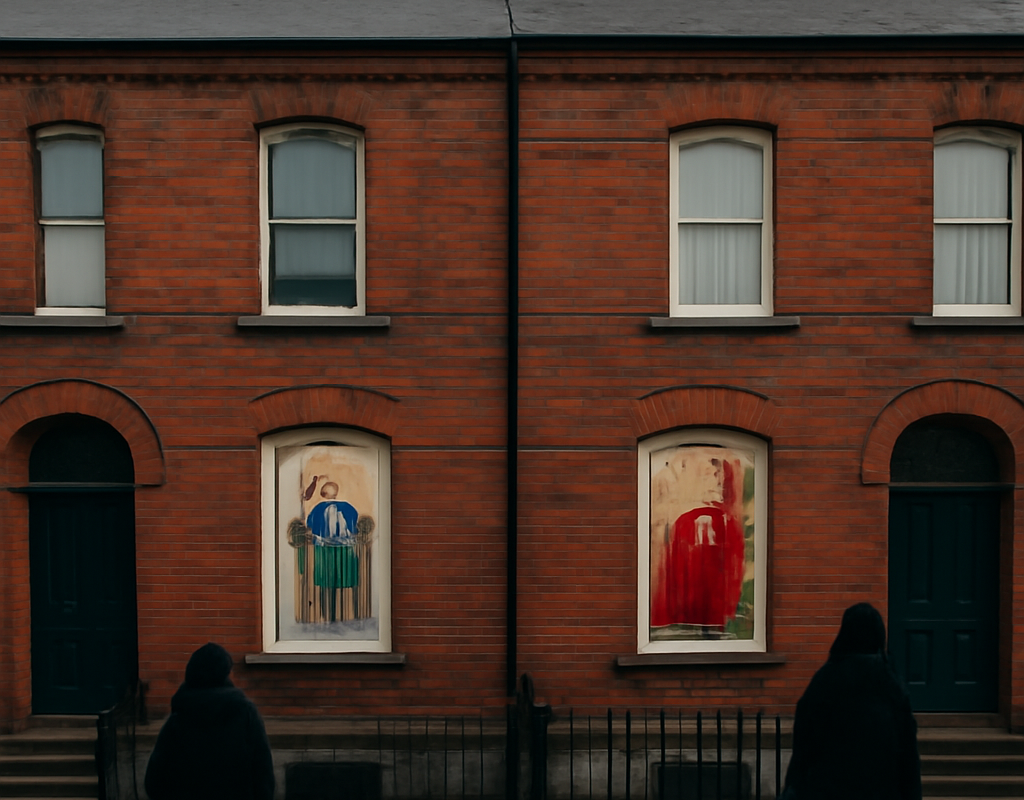
Two long-derelict Victorian houses in Phibsborough are set to be transformed into Ireland’s first national football museum under a proposed partnership involving Dublin City Council and Bohemian Football Club. The project would give the historic Connaught Street properties a new public and cultural purpose while preserving their connection to one of the country’s best-known football communities.
What is happening in Phibsborough?
The adjoining properties at 19 and 21 Connaught Street are expected to be converted into a national football museum as part of a deal with Bohemian Football Club. The houses have stood vacant for many years and were acquired by Dublin City Council with the original intention of providing social housing.
The proposal marks a significant change in the planned use of the buildings. Instead of proceeding solely as residential accommodation, the properties could become a permanent venue documenting the history, people and cultural impact of football in Ireland.
- The properties are at 19 and 21 Connaught Street, Phibsborough.
- They were placed on Dublin’s derelict sites register in 2009.
- Dublin City Council compulsorily acquired the houses in 2019.
- Planning permission for refurbishment was granted in 2023.
- The proposed museum would be Ireland’s first national football museum.
Why the Connaught Street buildings matter
The two Victorian houses were first listed on the derelict sites register in 2009, following years of vacancy. Their condition and prolonged disuse made them a visible example of the challenges facing historic properties in established Dublin neighbourhoods.
Dublin City Council compulsorily acquired the buildings in 2019, seven years before the current proposal. Planning permission was later granted in 2023 for their refurbishment. That approval provides an important foundation for the next stage of the project, although the museum plan still depends on the relevant agreement and implementation arrangements.
Converting the properties would also contribute to the regeneration of Connaught Street. The proposed use could bring visitors to the area, create an educational attraction and retain the architectural character of the Victorian buildings rather than leaving them unused.
Bohemians’ role in the proposed football museum
Bohemian Football Club is central to the proposed arrangement. Based in Phibsborough, the club has a deep local identity and a long association with Irish football. Its involvement would give the museum a strong community link and help connect national sporting history with the neighbourhood where the venue would operate.
A football museum in this setting could explore more than match results and trophies. Potential themes may include the development of the sport in Ireland, the experiences of clubs and supporters, the role of football in local communities and the stories attached to historic grounds and players. The final content and operation of the museum have not been detailed in the available information.
A national football museum could provide a permanent home for Irish football heritage while helping bring a vacant historic property back into active use. It would also create a new cultural attraction in Dublin with links to sport, architecture and local history.
From derelict housing to a national sporting attraction
The story of 19 and 21 Connaught Street reflects a wider issue in Dublin: how to return vacant and derelict buildings to productive use. The council’s original plan focused on social housing, while the proposed agreement with Bohemians would create a public-facing cultural destination instead.
That change does not remove the importance of the council’s earlier investment. The compulsory acquisition, refurbishment planning and preservation of the buildings are all part of the process that could make a new use possible. The project demonstrates how public bodies and community organisations can explore alternative solutions for properties that have remained vacant for long periods.
For football supporters, the development could eventually offer a place to view memorabilia, learn about the game’s national history and understand how clubs such as Bohemians shaped Irish sporting life. For local residents, it could mean the return of activity to buildings that have been empty since before the council’s acquisition.
What happens next?
The next steps will involve finalising the agreement between Dublin City Council and Bohemian Football Club and establishing how the approved refurbishment will be adapted for museum use. Details such as the construction timetable, funding, exhibition design, opening date and visitor arrangements have not been provided in the available report.
Until those details are confirmed, the project remains a proposed conversion rather than an operational museum. Further announcements are likely to clarify:
- how the buildings will be restored and internally configured;
- who will manage the museum;
- how the project will be funded;
- what collections and exhibitions will be displayed; and
- when the public could visit.
Frequently asked questions
Where will Ireland’s first national football museum be located?
The proposed museum would be located at 19 and 21 Connaught Street in Phibsborough, Dublin.
What were the houses originally intended for?
Dublin City Council acquired the properties for social housing and received planning permission for their refurbishment in 2023.
When were the buildings listed as derelict?
The adjoining houses were added to the derelict sites register in 2009 after being vacant for many years.
Who is involved in the proposal?
The proposed conversion is based on a deal involving Dublin City Council and Bohemian Football Club.
Conclusion
The proposed football museum in Phibsborough would turn two long-vacant Victorian houses into a national home for Ireland’s football heritage. While the project still requires further details on funding, delivery and opening plans, the agreement with Bohemians offers a clear route to bringing the Connaught Street properties back into use. For Irish football and Dublin’s built heritage, it is a potentially important next chapter.