

A nuclear or radiological emergency abroad could raise understandable concerns in Ireland, but official guidance stresses that the public should rely on verified information rather than speculation. The latest gov.ie emergency guidance explains how information would be shared and how national agencies would monitor food, water and the environment.
Published by the Department of Climate, Energy and the Environment on 29 July 2026 and updated on 3 November 2026, the guidance applies to an unlikely overseas incident with the potential to cause widespread exposure in Ireland.
Nuclear emergency Ireland: where to find official updates
If an incident occurred, updates would be published at gov.ie/nuclear. Information would cover the cause of the emergency, how long exposure might last and whether protective measures were necessary. Authorities would also use broadcast media and social media to reach the public.
Based on the most up-to-date hazard analysis by the Environmental Protection Agency (EPA), current planning does not envisage a need for people in Ireland to evacuate, shelter or take iodine tablets. Any advice would depend on the circumstances and would be communicated by official authorities.
What the public should do
- Follow instructions issued through gov.ie, broadcast media and official social channels.
- Check information from the EPA and relevant public authorities.
- Do not take iodine tablets unless specifically advised by authorities.
- Pay attention to any sector-specific guidance affecting food, farming or water.
How Ireland would monitor food, water and the environment
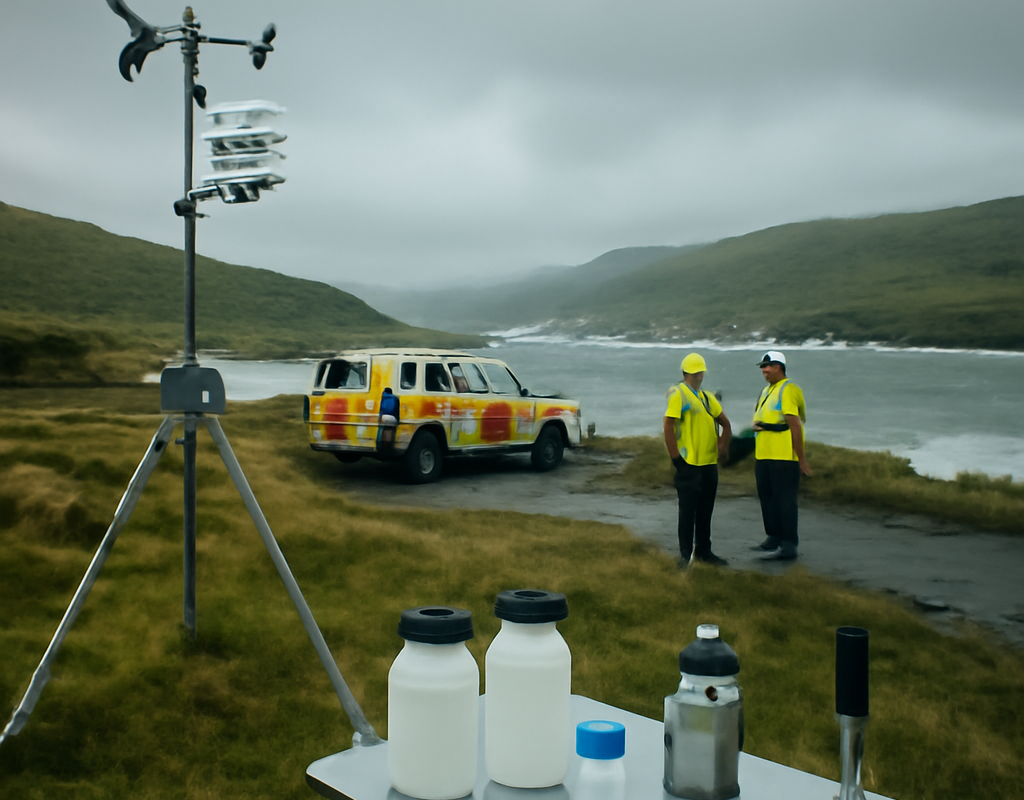
Under the National Plan, the EPA is responsible for coordinating the collection, testing and analysis of environmental, food and drinking-water samples. Other organisations may collect samples in their specialist areas before they are sent to designated EPA laboratories.
Potential roles include:
- Uisce Éireann collecting drinking-water samples.
- The Department of Agriculture, Food and the Marine and the Food Safety Authority of Ireland collecting samples of milk, meat, grain and other produce.
- Met Éireann collecting air and rain samples from weather stations.
- Civil Defence collecting soil and grass samples at locations identified by the National Emergency Co-ordination Group (NECG).
The NECG would consider monitoring results when developing recommendations for any longer-term protective measures. This coordinated approach brings together environmental monitoring, agriculture, food safety, weather services and emergency management.
Read more: Irish emergency planning and public services
For more practical information about public services and national guidance, explore these Ireland-focused resources:
- Ireland government news and public information updates
- Irish breaking news and national affairs coverage
Explore more: climate, safety and national updates
Keep informed about climate policy, public safety and major developments with further coverage:
FAQs about a nuclear emergency in Ireland
Would people need to evacuate?
Current EPA hazard analysis indicates that evacuation is not envisaged for the public in Ireland in the scenario covered by the guidance.
Should people take iodine tablets?
The guidance says iodine tablets should not be taken unless official authorities specifically advise it.
Where can people find radiation emergency information?
Updates would be available on gov.ie/nuclear, alongside information shared through broadcast and social media channels. The EPA also provides detailed information on nuclear and radiological emergencies.
Key takeaway: In a nuclear emergency Ireland scenario, the safest response is to remain calm, avoid unverified claims and follow official instructions. The EPA and partner agencies have established arrangements to monitor possible impacts and support evidence-based public advice.
Article/Image Courtesy: gov.ie