

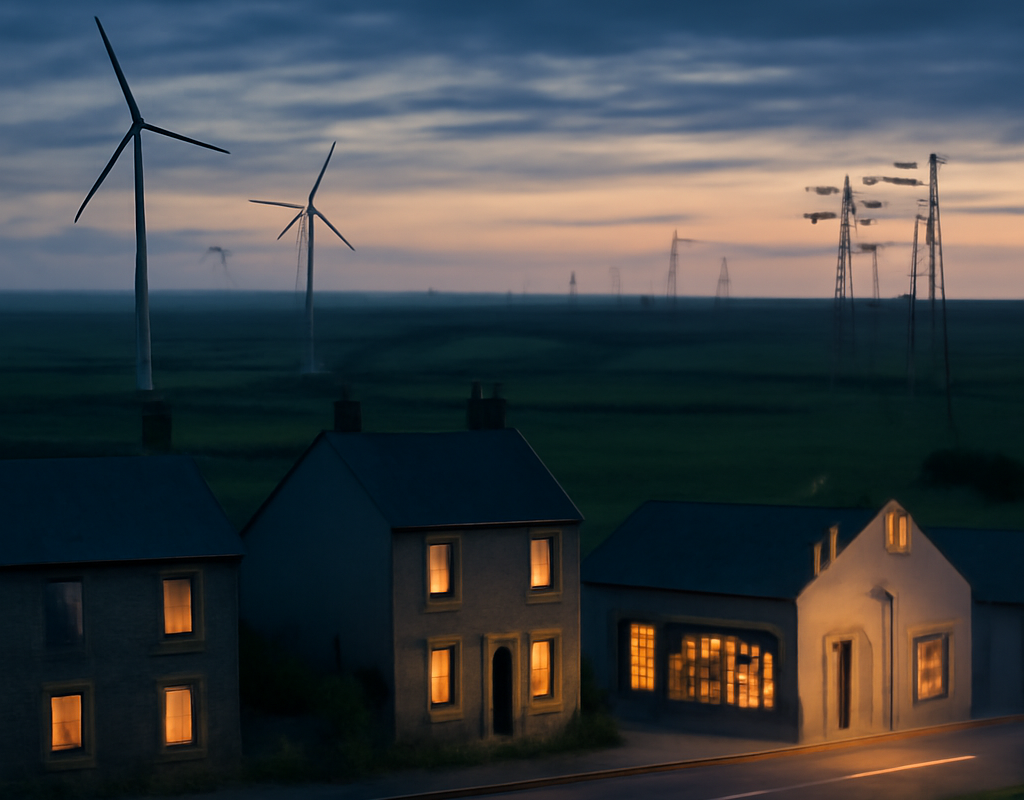
Energy affordability Ireland has become a central policy concern as households and businesses face pressure from energy costs while the country invests in a cleaner, more electrified economy. The National Energy Affordability Taskforce (NEAT) has been established to examine the causes of those costs and develop reforms aimed at protecting consumers.
The taskforce publication was issued by the Department of Climate, Energy and the Environment on 2 July 2025 and was last updated on 4 November 2026. Its work is intended to support Ireland’s renewable energy commitments while maintaining security of supply and addressing affordability over the medium and longer term.
Energy Affordability Ireland: What the NEAT taskforce will examine
NEAT will assess the factors that influence prices across the Irish energy system. Its recommendations are expected to focus on structural changes that could benefit households and businesses between 2026 and 2030, as well as measures for the period after 2030.
The taskforce’s core objectives include:
- Reviewing energy price drivers and how costs are distributed across the system.
- Preparing an interim plan containing short-term consumer supports ahead of Budget 2026.
- Holding a public consultation to gather views from consumers and stakeholders.
- Publishing a National Energy Affordability Action Plan with medium- and long-term reforms.
The approach recognises that affordability is linked not only to electricity and gas prices, but also to investment in renewable generation, conventional capacity and the national network infrastructure required for electrification.
Balancing climate targets and consumer protection
Ireland’s transition to a low-carbon economy requires substantial investment. The taskforce is therefore expected to consider how the costs of infrastructure, energy supply and regulation are allocated, while supporting the Climate Action Plan and protecting security of supply.
The work aligns with the Government’s wider climate and energy agenda. The Commission for Regulation of Utilities (CRU), Sustainable Energy Authority of Ireland (SEAI), ESB Networks, EirGrid and Gas Networks Ireland are among the organisations contributing to the process.
Read more
Who is represented on the National Energy Affordability Taskforce?
NEAT is chaired by the Department of Climate, Energy and the Environment. Its membership also includes the Department of the Taoiseach, Department of Enterprise, Tourism and Employment, Department of Finance, Department of Public Expenditure, Infrastructure, Public Service Reform and Digitalisation, Department of Social Protection, and Department of Housing, Local Government and Heritage.
The Economic and Social Research Institute (ESRI) and major energy network organisations are also involved. Ongoing engagement will include industry groups, energy suppliers and non-governmental organisations, allowing the taskforce to consider operational and consumer perspectives.
Reports, consultation and implementation
The publication provides access to the National Energy Affordability Taskforce Interim Report 2025, its Terms of Reference and meeting minutes from 2025 and 2026. These documents provide a record of the taskforce’s mandate, discussions and developing work programme.
Public and stakeholder input is a key part of the process. The eventual action plan is intended to move beyond temporary assistance by identifying reforms that can reduce underlying costs and improve the resilience of Ireland’s energy system.
Explore more
What happens next?
The taskforce will continue reviewing energy costs, consulting stakeholders and monitoring implementation of its proposed measures. Its findings will be relevant to households, employers, energy suppliers and policymakers as Ireland prepares for greater electricity demand and continued renewable investment.
The key takeaway is that energy affordability Ireland is being addressed through a combination of immediate planning and longer-term structural reform. NEAT’s forthcoming action plan will help determine how Ireland can deliver climate commitments while making the energy transition fairer and more manageable for consumers.
Article/Image Courtesy: gov.ie