

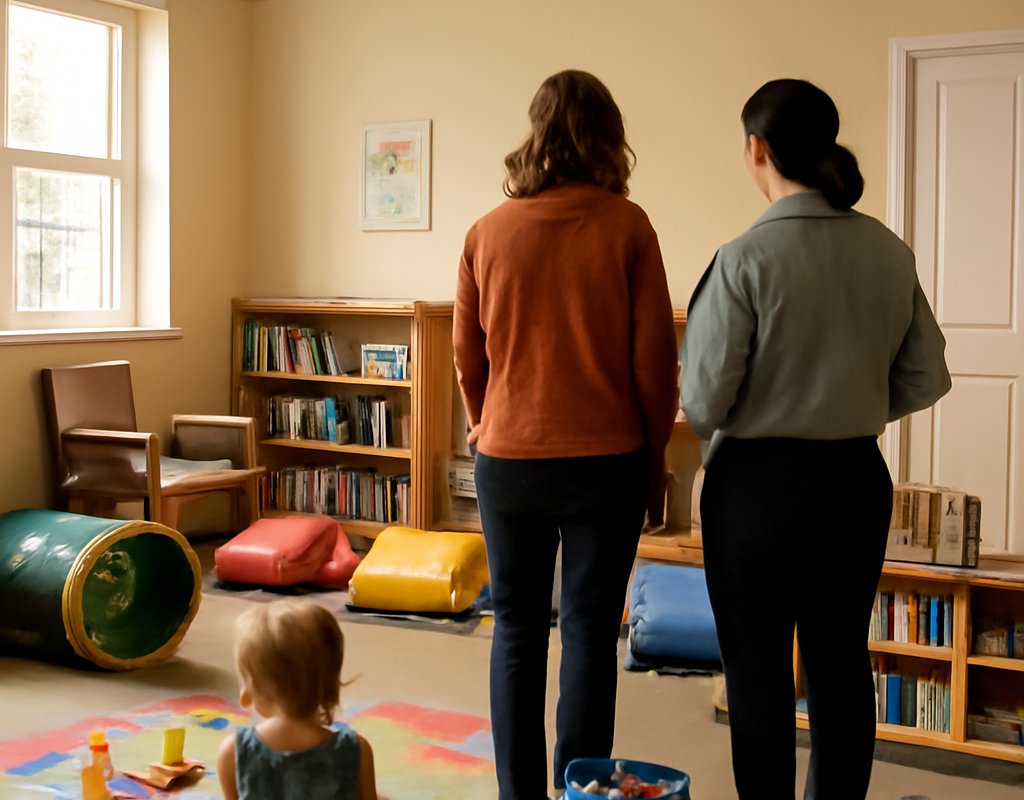
Ireland’s children and families are set to benefit from more than €413,000 in new support for prevention and early intervention services. The funding, announced by Minister for Children, Disability and Equality Norma Foley, will help 12 community and voluntary organisations deliver targeted programmes nationwide.
€413,188 funding for children’s early intervention services
The Department of Children, Disability and Equality has allocated €413,188 through the 2026 What Works in Communities Fund. The investment comes from Dormant Accounts funding and is designed to strengthen evidence-informed services for children, young people and families.
The successful organisations were selected from 101 eligible applications following an independent assessment process. Their projects cover a broad range of needs, including child poverty, mental health, disability, early learning, child development and support for children in care.
Projects supported across Ireland
The funded initiatives include services for children affected by trauma linked to domestic abuse, support for parents of deaf children, home liaison work for preschool children at risk of disadvantage and play therapy for children experiencing emotional, behavioural or developmental challenges.
Funding will also support transition training for young adults with Down Syndrome as they move towards adult life, alongside community mental health promotion and early language development programmes.
- Bray Women’s Refuge – Courage to Connect
- Carrigtwohill FRC – Little Steps Play Therapy Programme
- Down Syndrome Centre – Rehabilitative Training Transition Pathway
- Irish Deaf Society – Parents of Deaf Children Programme
- Jigsaw – Connected Communities
- The Shona Project – MARK Boys’ Programme Scale-Up
- YMCA Dublin – Integrated Services Model evaluation
What the funding means for families
Prevention and early intervention can help identify challenges sooner and connect families with appropriate supports before difficulties escalate. The funded projects promote participation, equality and inclusion while responding to local community needs.
The announcement also reflects the wider public-service focus on improving outcomes for children and young people. While the Department of Children, Disability and Equality leads this initiative, families may encounter other services such as Tusla, the Health Service Executive (HSE), local family resource centres and disability support organisations.
Speaking about the allocation, Minister Foley described the investment as a way to provide high-quality, evidence-based supports capable of making a lasting difference to children, young people and families across Ireland.
Read more
For further Irish public-service news and policy updates, read Ireland government announcements and community news on DailyDigest.ie.
Supporting inclusion and long-term outcomes
The 12 projects span urban and rural communities, with initiatives operating in areas including Bray, Carrigtwohill, Newmarket on Fergus, West Clare and Dublin. Their work ranges from therapy and family support to evaluation, training and community-based prevention.
By backing organisations with established links to families, the What Works in Communities Fund aims to test and strengthen practical approaches that can inform future policy and service delivery. The emphasis on independent assessment and evaluation is intended to ensure that funded activity remains focused on measurable benefits.
Explore more
Explore more Irish social policy and family-focused coverage through Ireland social affairs and public-sector news at MediaDigest.ie, and Ireland lifestyle and community developments at LuxeDigest.org.
Key takeaway
The €413,188 allocation provides practical support for 12 organisations working with children, young people and families. By investing in prevention, early intervention and inclusion, the Department of Children, Disability and Equality is helping community services respond earlier to complex needs and build stronger outcomes for families across Ireland.
Article/Image Courtesy: gov.ie