

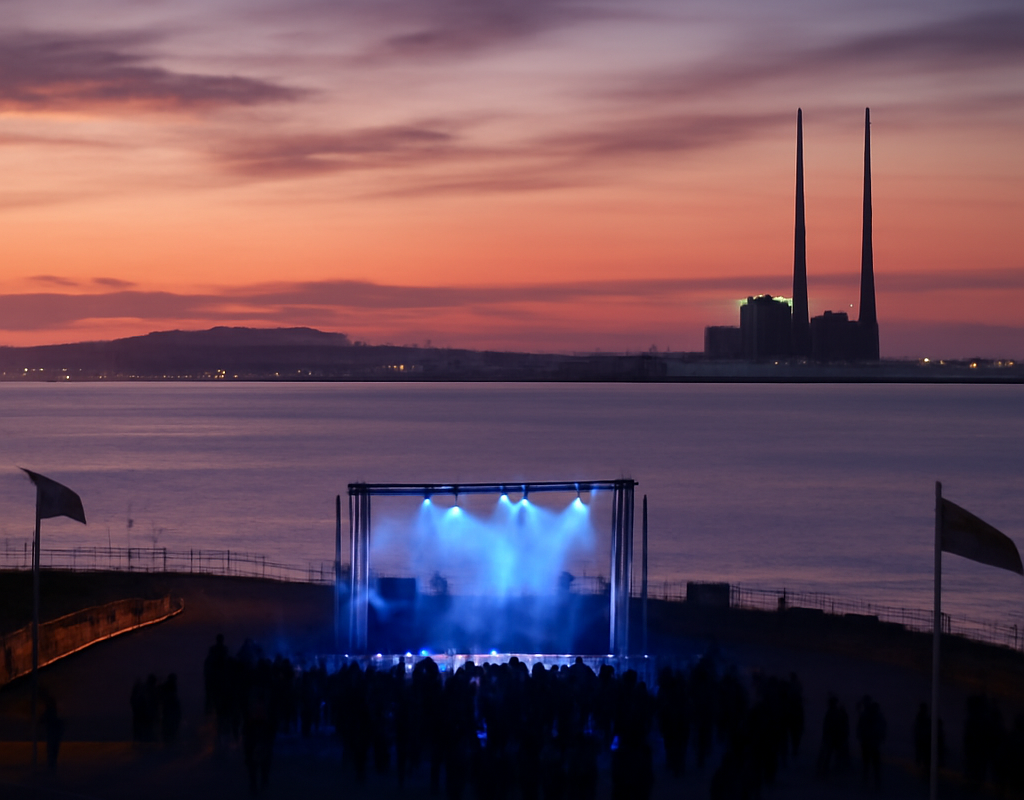
An event titled Rockin’ the Suburbs is at the centre of a developing story involving Dublin’s Poolbeg area. The location is closely associated with the Poolbeg incinerator and remains a prominent part of the capital’s industrial skyline.
Breaking News: What is happening near Poolbeg?
Available information indicates that Rockin’ the Suburbs is connected with the Poolbeg incinerator area in Dublin. The story is still developing, and key practical details—including the full event programme, timings, access arrangements and any traffic measures—have not been confirmed in the material available for this report.
For residents, commuters and people planning to attend, the most important information will be released through the event organisers and relevant public authorities. Readers should check official updates before travelling, particularly if the event affects roads, parking, public transport or access around Dublin Port and the Poolbeg Peninsula.
Why the Poolbeg location matters
The Poolbeg Peninsula is one of Dublin’s most recognisable waterfront areas. It combines industrial infrastructure, port activity, energy facilities and popular public spaces, including the Great South Wall and Poolbeg Lighthouse.
The Poolbeg incinerator, formally known as the Dublin Waste-to-Energy facility, is a major landmark in the area. Its distinctive towers are visible across Dublin Bay, making the site a familiar reference point in Dublin News and wider Ireland News coverage.
Because the peninsula has a mix of working industrial sites and public destinations, events in or near the area can require careful planning. Traffic flows, pedestrian access, emergency routes and nearby business operations may all need to be considered.
- Rockin’ the Suburbs is linked to the Poolbeg area of Dublin.
- The location is near the Poolbeg incinerator and other industrial facilities.
- Detailed event and transport arrangements remain subject to official confirmation.
- Visitors should rely on organiser, council and public transport updates before travelling.
What information is confirmed?
The available source material identifies the story and its connection to Poolbeg, but does not provide enough verified detail to confirm the event date, expected attendance, performers, ticketing arrangements or exact venue boundaries.
That distinction matters. As further News Updates emerge, confirmed information should be separated from promotional material, online speculation or unverified social media posts. The clearest sources are likely to include the event organiser, Dublin City Council, An Garda Síochána, Dublin Port and transport operators where relevant.
Questions attendees may need answered
- Where exactly will the event take place?
- What time will gates open and the programme finish?
- Will parking be available, or will public transport be recommended?
- Will roads or pedestrian routes be restricted?
- Are there age, accessibility or ticketing requirements?
- What arrangements will apply for bad weather or changes to the programme?
Potential impact on travel and local services
If attendance is significant, the event could affect movement around the Poolbeg Peninsula. People travelling from other parts of Dublin should allow extra time and avoid assuming that normal parking or walking routes will remain available.
Irish Traffic updates may become relevant if temporary restrictions are introduced. Public Transport Ireland information should also be checked before departure, although the most suitable route will depend on the final venue and operating arrangements.
Visitors should never enter restricted industrial areas or interfere with port, energy or waste-management operations. The Poolbeg area contains active infrastructure, and public access may not extend to every part of the peninsula.
- Confirm the exact venue through the organiser.
- Check Dublin City Council and Garda updates for road information.
- Review public transport timetables on the day of travel.
- Wear suitable footwear and follow signed pedestrian routes.
- Check Met Éireann Weather before setting out, especially for a waterfront event.
Weather and safety considerations
Conditions along Dublin Bay can change quickly. Wind, rain and reduced visibility may affect travel, queues and outdoor activities, even when conditions appear settled elsewhere in the city.
Attendees should monitor official weather information and follow instructions from event stewards. Any weather-related postponement or change should be communicated by the organisers rather than assumed from informal online posts.
What happens next?
The next stage is likely to involve publication of fuller event details and operational guidance. Until that information is available, readers should treat the story as developing rather than relying on incomplete listings.
For the latest Irish News, follow verified updates from the organisers and public bodies. Practical details such as access, public transport, road management and safety arrangements will be more useful to residents than early promotional claims alone.
Frequently asked questions
What is Rockin’ the Suburbs?
Rockin’ the Suburbs is the name of an event connected with the Poolbeg area of Dublin. The supplied information does not confirm its full programme or format.
Where is the Poolbeg incinerator?
The Poolbeg incinerator is located on Dublin’s Poolbeg Peninsula, an industrial and waterfront area on the south side of Dublin Bay.
Has the event schedule been confirmed?
The available information does not confirm the schedule, performers, access arrangements or final event details. These should be checked through official channels.
How should people plan their journey?
Check organiser notices, Dublin traffic information, public transport updates and the weather forecast before travelling. Do not rely solely on unverified social media posts.
Conclusion
This Breaking News Ireland story concerns Rockin’ the Suburbs and its connection to Dublin’s Poolbeg incinerator area. The location’s industrial setting means that event access, safety and transport planning will be particularly important. Until organisers and authorities release fuller guidance, the safest approach is to verify every practical detail before making the journey.