

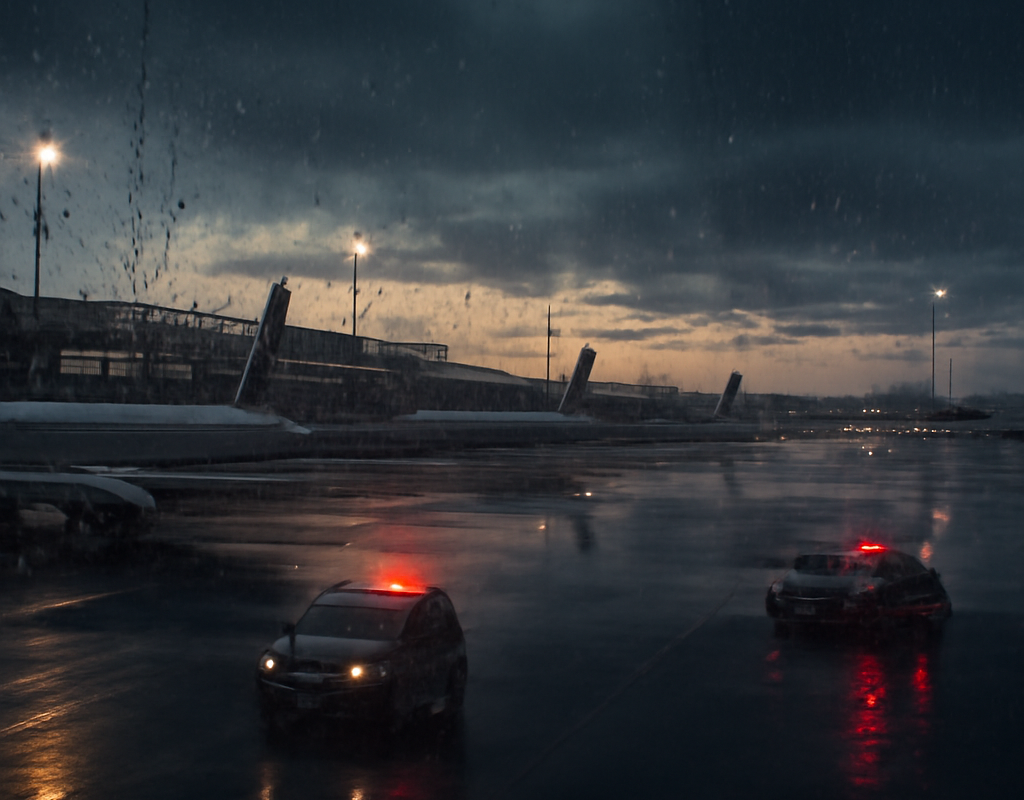
A coordinated wave of false warnings targeting European airlines and airports has disrupted flights and triggered security responses, putting Ireland breaking news and wider aviation safety concerns firmly in focus. Although the threats investigated so far have reportedly proved false, authorities warn that every message must be assessed carefully because a future warning could be genuine.
Ireland breaking news: What happened across Europe?
The warnings arrived in rapid succession and appeared to target different airlines and airports. In several cases, aircraft were diverted, while Italian authorities reportedly deployed fighter jets to escort a flight after receiving a threat. London Heathrow was identified as a notable exception in the response pattern.
Authorities have not established who was behind the messages. The incidents have nevertheless prompted renewed debate about so-called hybrid warfare: disruptive activity designed to damage public confidence, interfere with infrastructure or create economic costs while remaining difficult to attribute.
Why the warnings are being taken seriously
False aviation threats can have real consequences even when no explosive device or attack is found. They may lead to:
- Flight diversions and delays
- Additional screening and airport closures
- Emergency deployments by police or military forces
- Financial losses for airlines, airports and passengers
- Increased anxiety among travellers and aviation workers
Security agencies must balance public safety with the risk that malicious actors are deliberately trying to overwhelm emergency systems.
Could Russia be behind the airport hoaxes?
The coordinated nature of the warnings, combined with other suspicious incidents reported across Europe, has led some commentators to suspect Russian involvement. Earlier incidents cited in the investigation include cyber-attacks, unexplained drone sightings near sensitive locations and interference affecting commercial infrastructure.
However, no firm evidence had emerged linking the airline hoaxes to Russia, Iran or proxy organisations. Security officials therefore face the difficult task of examining technical evidence, email records, online activity and possible links between incidents rather than relying on political assumptions.
The concept of “grey-zone” or “sub-threshold” activity is central to the debate. Such operations are intended to remain deniable and fall below the level that would automatically provoke a collective military response. Attribution can be especially challenging when criminals or extremist groups imitate the language and identity of state-backed actors.
The significance of the Rome email
An email sent to airport authorities in Rome reportedly claimed to come from a Russian ultra-right group. That organisation was banned by a Moscow court in 2021, although it maintained an online following. Investigators have stressed that the use of a group’s name does not prove that the group sent the message.
False attribution is itself a possible tactic. By borrowing the identity of a controversial organisation, attackers can create confusion, encourage media speculation and divert investigators away from the true source.
Read more: latest Irish news and Ireland breaking news updates from Daily Digest.
What the incidents mean for travellers and transport authorities
Airports across Europe are likely to review how they receive, verify and share threat information. The priority is to identify credible risks quickly while limiting unnecessary disruption. Transport ministries and national police forces must also coordinate with airlines, airport operators and intelligence agencies.
For Irish passengers, the developments are a reminder to check official airline and airport channels before travelling. International disruption can affect connecting flights to Dublin, Cork and other destinations even when no direct threat exists in Ireland. Travellers should allow extra time, avoid sharing unverified claims online and follow instructions from airport security staff.
The same principle applies to wider Irish transport news: accurate information is essential when incidents can generate fast-moving rumours. Official updates remain more reliable than social media posts or anonymous messages.
Investigators urged to follow evidence
Authorities investigating the hoaxes face pressure to identify a culprit quickly. Yet experts and officials must distinguish between suspicion and proof. Digital investigations may examine the origins of messages, infrastructure used to send them, account histories, linguistic patterns and financial or organisational connections.
That process can take time, particularly when communications are routed through multiple countries or deliberately designed to hide their source. The most useful leads may come from technical details that are not immediately visible to the public.
The challenge is also operational. Police and airport authorities must prepare for a possible repeat while avoiding measures that allow hoaxers to cause maximum disruption with minimal effort.
Explore more: follow Dublin news today and Irish politics news at Media Digest, and discover Ireland travel and lifestyle stories at Luxe Digest.
Why this matters beyond aviation
The airport warnings form part of a broader European security conversation involving cyber operations, drones, critical infrastructure and information manipulation. Similar tactics could target hospitals, transport networks, energy systems or public services.
That is why emergency planning increasingly includes both physical protection and cyber resilience. Governments must prepare for incidents that may not cause direct physical damage but can still interrupt daily life and undermine public trust.
For now, the central conclusion is cautious: the hoaxes were serious, but attribution remains unresolved. Investigators will need verifiable evidence before assigning responsibility, while airports and airlines must remain prepared for the possibility that a future warning could present a genuine danger.
Key takeaway
This developing story is an important part of Ireland breaking news because international aviation disruption can quickly affect Irish travellers and transport links. Until investigators establish who sent the warnings, the safest approach is to rely on official travel information, treat unverified claims carefully and allow security agencies to follow the evidence.