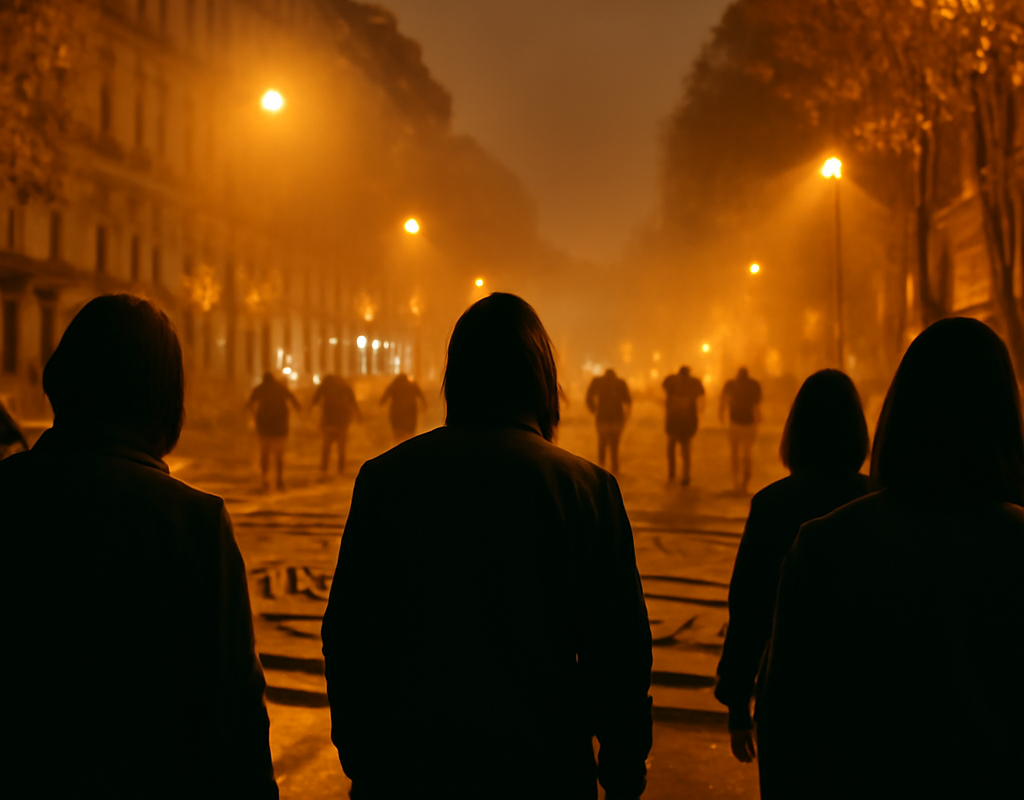
France is facing a sixth consecutive weekend of demonstrations over rising prices, strained public services and alleged police brutality. As violence, looting and damage continue to shape the protests, President Emmanuel Macron has blamed “ultra-left” groups and “delinquents” for seeking to destabilise the French Republic.
But reporting from the demonstrations suggests a more complicated picture. Some masked activists identify with the Black Bloc tactic, while other young protesters say they are acting independently out of anger over poor schools, limited job prospects and social inequality.
Why are people protesting in France?
The unrest has been driven by several overlapping grievances rather than a single political demand. Demonstrators have pointed to the pressure of soaring household costs, worsening public services and what they describe as excessive police force.
The protests are also taking place ahead of important presidential and parliamentary elections next year, increasing their political significance. France’s left has blamed centrist and right-wing forces for the cost-of-living crisis, while the nationalist right has promised a stronger focus on public order and security.
Violence has reportedly fallen from last month’s peak, but clashes remain a regular feature as police attempt to control demonstrations. The French Insurers Federation estimated that damage to shops and private property on 17 October alone reached about €207m.
What does ‘ultra-left’ mean in the French protests?
French intelligence services estimate that around 5,000 people belong to the country’s ultra-left activist milieu. However, people interviewed during the demonstrations disputed the idea that they form one centrally organised movement.
Several activists said the term is being used by the authorities to create the impression of a coordinated internal enemy. They described the protests as a loose collection of individuals and groups united more by anger than by formal leadership.
The Black Bloc tactic
The Black Bloc is not necessarily a single organisation. It is a protest tactic in which participants wear black clothing and conceal their faces, making it harder for police to identify individuals within a crowd.
Some participants use anonymity to commit vandalism or theft, while others describe themselves as political activists seeking radical social change. One teenage activist interviewed by the BBC said participants communicate through services including Signal and Telegram and may use improvised paint-filled devices against police equipment.
Online activist networks also circulate advice on avoiding identification and moving through demonstrations. Critics argue that such material can encourage risky or violent behaviour; activists maintain that it helps protesters protect themselves from surveillance and police action.
Why some young protesters say they are angry
Not every masked protester described themselves as part of the radical left. An 18-year-old interviewed under a pseudonym said he and his friends came from disadvantaged housing estates on the outskirts of French cities. They cited struggling schools, teachers leaving and the difficulty of gaining qualifications needed for secure employment.
The young men said they were angry rather than politically organised. Their comments reflect a wider tension in the unrest: some participants reject violence, while others believe confrontational action is the only way to make their voices heard.
Several activists also framed the conflict as a question of state power. They argued that police batons, tear gas and stun grenades represent a greater threat than smashed windows or damage to businesses. That argument has been strongly rejected by those who say attacks on shops, officers and public buildings undermine peaceful protest.
Is the French left directing the violence?
Jean-Luc Mélenchon and his France Unbowed party have appeared at many demonstrations, with supporters distributing campaign material. However, activists interviewed for the report denied that the party or trade unions were directing the violence.
One Black Bloc activist said mainstream left-wing organisations were more likely to attempt to calm the unrest than organise it. The claim that the ultra-left is seeking to bring down the French government was also rejected by those interviewed, although some openly expressed revolutionary ambitions.
How serious is the violence?
The authorities have increased police numbers and tightly managed demonstrations. Protesters, in turn, accuse officers of using excessive force. More than 1,000 police officers were reportedly injured during unrest last month, while some young protesters suffered serious injuries, including reported loss of hands in encounters involving stun grenades.
A fire at Limoges Town Hall has become another symbol of the escalation. One man remained in police custody in connection with the blaze while denying involvement. Local activists told the BBC that they were shocked by the fire but believed direct action was necessary in response to social injustice.
What happens next?
The protests are likely to remain politically important as France approaches next year’s elections. The government faces pressure to address household hardship and public services while restoring order on the streets.
The evidence so far does not point to a single organisation controlling the unrest. Instead, the demonstrations bring together students, residents of deprived areas, organised activists and opportunists. Their motivations differ, but frustration over living conditions and distrust of the state provide a common backdrop.
The central challenge for France is therefore twofold: preventing violence and property damage while addressing the social grievances that continue to bring people onto the streets. For readers following latest Irish news and wider European developments, France’s unrest is a reminder of how quickly economic pressure, political distrust and confrontations with police can combine into a national crisis.