

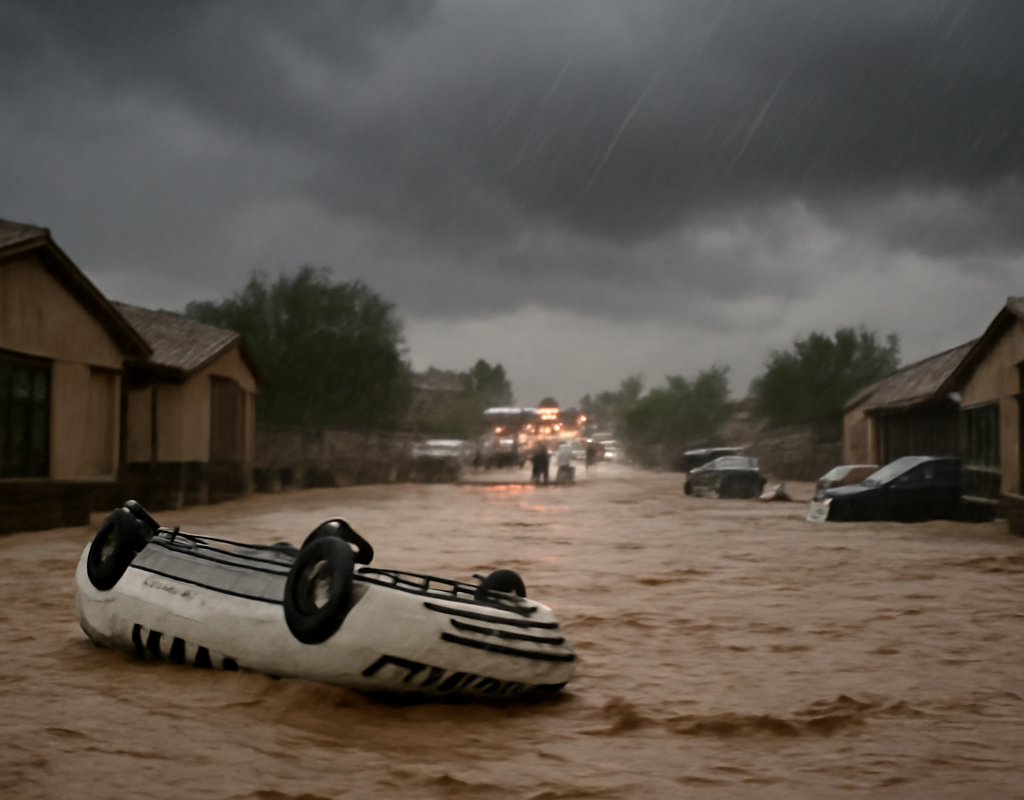
Standfirst: Severe flash flooding across the United States Southwest has destroyed homes, swept away vehicles and forced hundreds of residents to evacuate. Emergency crews are assessing damage as communities face dangerous conditions and continued disruption.
Flash floods have caused widespread destruction across parts of the US Southwest, carrying away homes and cars while leaving residents stranded and prompting hundreds of evacuations. The footage shows the speed and force of the flooding as water moves through affected communities.
The incident is a national emergency story rather than an EU decision or European policy development. However, it is significant international news because of the scale of the damage and the risks posed to residents, transport networks and emergency services.
What happened in the US Southwest?
Heavy rainfall triggered sudden flooding in the region, with water rapidly inundating roads and residential areas. Homes and vehicles were swept away, while some residents were forced to leave their properties as floodwaters rose.
Flash floods can develop quickly, often leaving little time for people to move to safer locations. Even shallow moving water can make roads impassable and destabilise vehicles, while deeper flows can damage buildings, bridges and essential infrastructure.
- Homes and cars were reportedly swept away by fast-moving water.
- Residents were stranded or forced to evacuate.
- Emergency responders faced difficult and potentially hazardous conditions.
- Communities were left to assess damage after the floodwaters moved through.
Why flash flooding is so dangerous
Unlike slower river flooding, flash floods can occur within a short period after intense rainfall. Water may gather in streets, dry channels and low-lying areas before moving with considerable force through populated locations.
The danger can remain after the rain stops. Floodwater may conceal debris, damaged roads, open drains and electrical hazards. Authorities generally advise people to avoid driving or walking through moving water and to follow evacuation instructions from local emergency services.
Risks for residents and infrastructure
Flooding can disrupt electricity, telecommunications, drinking-water supplies and transport links. It may also damage homes and businesses, requiring residents to find temporary accommodation while safety inspections and clean-up operations take place.
Emergency teams must also check roads, bridges and buildings before they can safely reopen. The full impact may therefore become clearer only after officials complete assessments of affected areas.
Emergency response and what happens next
The immediate priority is protecting life. Search-and-rescue operations, evacuation support and medical assistance may be required in areas where people are trapped or cut off. Authorities also need to warn residents about unstable structures, contaminated water and additional flooding risks.
In the aftermath, officials are expected to focus on:
- Checking on evacuated and stranded residents.
- Inspecting homes, roads, bridges and public utilities.
- Clearing debris and restoring access to isolated communities.
- Providing temporary shelter and essential supplies where needed.
- Issuing updated safety guidance as conditions change.
The source footage, updated on 3 November 2026, documents the destruction but does not provide a complete official account of casualties, total damage or the precise areas affected. Those details should be confirmed by local authorities and emergency services as assessments continue.
A wider warning about extreme weather
The flooding highlights how quickly intense rainfall can become a major public-safety threat, particularly in areas exposed to sudden runoff. Preparedness measures, reliable warnings and rapid evacuation decisions can reduce risks, but residents may still have only a short window to respond when conditions deteriorate.
For people in vulnerable areas, the key advice is to monitor official alerts, avoid flooded roads and move to higher ground when instructed. Drivers should never assume that a submerged road remains passable.
Conclusion
The flash floods in the US Southwest have swept away homes and vehicles and forced hundreds of people to evacuate. The immediate focus is rescue, safety and damage assessment, while authorities work to restore access and support affected communities. Further official updates will be needed to establish the full human and financial cost of the disaster.